
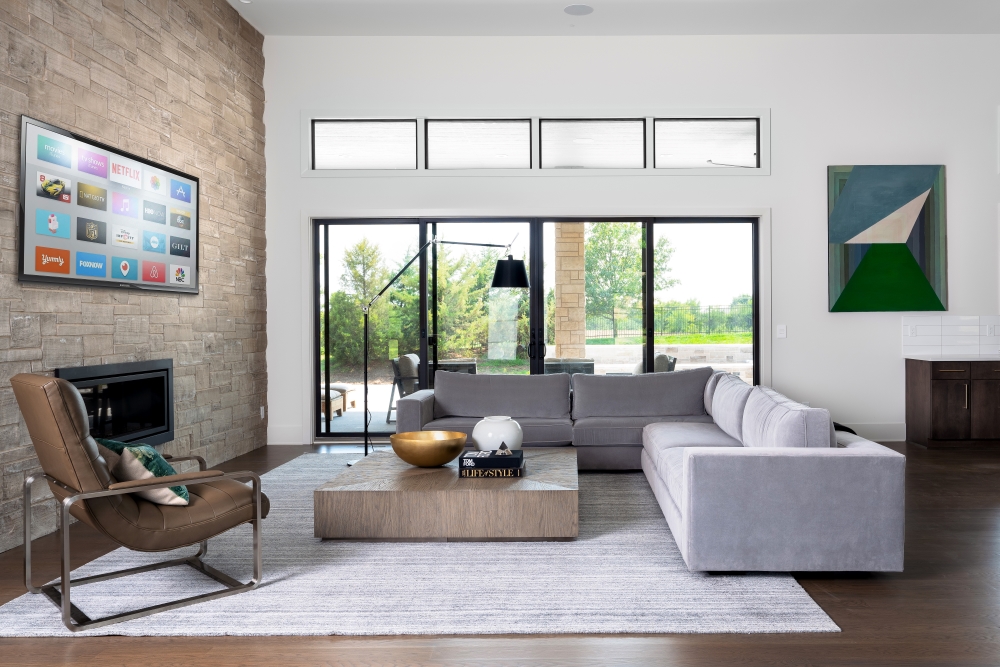
In a world filled with constant noise, endless choices, and visual overload, the idea of having less may seem counterintuitive. Yet, minimal homes continue to grow in popularity because they offer something that cluttered spaces cannot: clarity, peace, and purpose. The art of less is not about deprivation. It is about creating a home that feels complete by focusing only on what truly matters.
Minimalism in home design is more than a trend. It is a mindset that shifts attention from quantity to quality. When every item has meaning and function, the home begins to feel intentional rather than accidental.
The Power of Intentional Living
A minimal home starts with intentional decisions. Instead of filling rooms with unnecessary items, homeowners choose pieces that serve a purpose or bring genuine joy. This approach naturally reduces stress because there is less to manage, clean, and organize.
Think of your home as a system, much like how a digital platform such as sewayojan portal operates efficiently by keeping things streamlined and purposeful. When everything has a place and a role, life becomes easier to navigate. Minimal homes work the same way by eliminating distractions and focusing on essentials.
Visual Calm Creates Mental Clarity
One of the biggest advantages of minimal living is the sense of calm it creates. Clean lines, open spaces, and neutral tones allow the mind to relax. When your surroundings are not overwhelming, your thoughts become clearer and more focused.
A minimal room does not demand attention. Instead, it invites you to slow down and be present. This is especially important in today’s fast-paced world where overstimulation is common. By simplifying your environment, you give yourself the gift of mental clarity.
Beauty in Simplicity
Minimal homes often prove that less truly is more. A single well-chosen piece of furniture or decor can have a stronger impact than a room filled with items. This is where simplicity transforms into elegance.
Consider how a simple mehandi design can sometimes look more refined and graceful than an overly complex one. The same principle applies to interiors. When you remove excess, the beauty of each element becomes more noticeable and meaningful.
Functionality Over Excess
Minimal homes are not just about aesthetics. They are also highly functional. Every item serves a purpose, which makes daily life more efficient. Storage solutions are smart and unobtrusive, ensuring that everything is accessible without being visible.
This balance between form and function creates a seamless living experience. Instead of constantly adjusting your space, your space adapts to you. This leads to less frustration and more comfort in everyday routines.

Creating a Sense of Completion
Interestingly, having fewer items can make a home feel more complete. This happens because clutter often creates a sense of unfinished business. There is always something to organize, clean, or fix.
In a minimal home, everything feels settled. The space is not competing for attention. Instead, it feels whole and balanced, like a perfect circle where every element connects harmoniously. This sense of completion brings emotional satisfaction that goes beyond visual appeal.
Encouraging Mindful Consumption
Minimal living encourages people to think carefully before bringing new items into their homes. Instead of impulsive buying, decisions become thoughtful and deliberate. This not only saves money but also reduces waste.
Over time, this habit extends beyond the home and influences other areas of life. People become more mindful of their choices, leading to a more sustainable and intentional lifestyle.
Digital and Physical Simplicity
The concept of minimalism is not limited to physical spaces. It can also apply to digital environments. Just as cluttered homes can feel overwhelming, so can cluttered digital spaces.
For example, visiting a clean and focused website like https://anfieldedition.net can feel refreshing compared to one filled with distractions. The same principle applies to your home. A clear and organized space allows you to focus on what truly matters without unnecessary interruptions.
Letting Go Without Losing Value
One common misconception about minimalism is that it requires giving up everything you own. In reality, it is about letting go of what no longer adds value to your life.
This process can be challenging at first, but it becomes easier over time. As you remove unnecessary items, you begin to appreciate the ones that remain even more. Your home transforms into a collection of meaningful pieces rather than random possessions.
A Lifestyle That Evolves With You
Minimal homes are adaptable. As your needs change, your space can evolve without becoming overwhelming. This flexibility makes minimalism a sustainable approach to living.
Even creative or technical pursuits can benefit from this clarity. For instance, working on something like sfm compil requires focus and organization. A minimal environment supports this by reducing distractions and enhancing productivity.
Conclusion
The art of less is about more than just reducing clutter. It is about creating a home that supports your well-being, reflects your values, and enhances your daily life. Minimal homes feel more complete because they remove the unnecessary and highlight what truly matters. By embracing simplicity, you allow your home to become a place of calm, purpose, and balance. In the end, it is not about how much you have, but how well what you have serves you.