Categories
Flooring

Choosing The Right Wonderwood Flooring For Your Space

When revamping the floors of your home or office, Wonderwood flooring offers a practical and aesthetically pleasing solution. This adaptable flooring option combines the beauty of genuine wood with the durability and affordability of laminate, making it a popular choice for both households and business owners. However, choosing the right Wonderwood flooring for your specific space requires careful consideration to ensure that it not only enhances the aesthetics but also meets your practical needs.

Understand Your Space

Before browsing through the wide range of Wonderwood flooring options available, take some time to understand your space. Consider the size of the room, the level of foot traffic it receives, and the overall style and decor you want to achieve. Knowing your space’s unique characteristics will help you make an informed decision.

Consider Room Functionality

When it comes to flooring, various rooms have distinct needs. For high-traffic areas like the living room or kitchen, you’ll want a Wonderwood option that can withstand wear and tear. In bedrooms or home offices, comfort and aesthetics may take precedence. Evaluate the primary function of the room to determine the ideal Wonderwood flooring type.

Explore Design Options

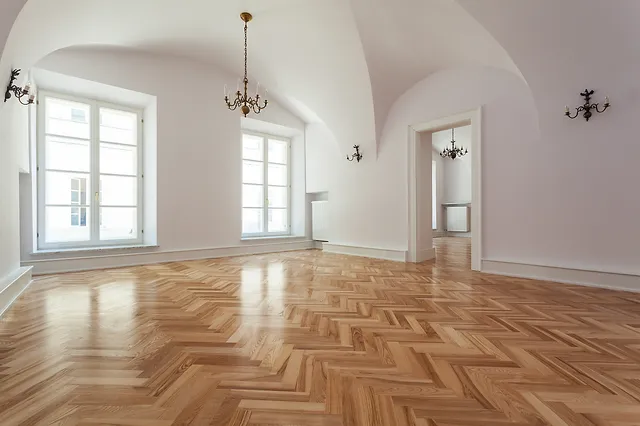
Wonderwood flooring comes in various designs, colours, and textures that mimic the natural look of hardwood. Consider the existing colour scheme and decor in your space when selecting a design. Lighter colours may make a space appear larger, while darker colours provide warmth and cosiness. Before making a final selection, obtain samples to see how the flooring will look in your setting.

Think About Durability

One of the key advantages of Wonderwood flooring is its durability. However, the level of durability can vary between different Wonderwood products. Look for options with a wear layer that can withstand scratches, stains, and dents. Thicker wear layers generally indicate greater durability, which is important for high-traffic areas.

Consider Installation Method

Wonderwood flooring can be installed using different methods, including click-and-lock, glue-down, or floating installation. The choice of installation method can affect the ease of installation and overall cost. Consult a professional installer or reseller to decide the best approach for your area and DIY skills.

Budget And Cost

While Wonderwood flooring is often more budget-friendly than solid hardwood, it’s still essential to establish a budget for your project. Prices can vary based on the brand, quality, and style of Wonderwood flooring you choose. Be sure to account for any additional costs related to installation and underlayment materials.

Environmental Considerations

If sustainability is your priority, explore Wonderwood flooring options certified as environmentally friendly. Look for certifications to ensure the product meets eco-friendly standards.

Consult With Experts

If you’re uncertain which Wonderwood flooring is the best fit for your space, don’t hesitate to seek advice from flooring experts or professionals. They can give helpful insights depending on your individual needs and budget.

In conclusion, choosing the right Wonderwood flooring for your space is a decision that requires careful thought and consideration. You may make an informed choice that improves both the aesthetics and usefulness of your surroundings if you understand your area, its utility, and your budget. Wonderwood flooring offers a versatile and durable solution that can transform any room into a beautiful and inviting space. With the right selection, you’ll enjoy the benefits of Wonderwood flooring for years.
Categories
Flooring

What Is the Difference Between a Finish Floor and a Floor Covering?

Because the flooring tends to cover another, structural layer of flooring, floor covering is a more exact phrase than finish floor. Furthermore, finish floor might be mistaken with a floor’s finish, such as stains and lacquers.
What Is the Difference Between a Finish Floor and a Floor Covering?
The top layer of flooring is known as a finish floor (also known as floor covering). In other words, it’s the layer you walk on, and it’s usually highly ornate in comparison to the layers of flooring underneath it. Carpets, laminate, tile, rugs, and vinyl are all examples of floor coverings.

Finish Floors or Floor Coverings Examples
Floor made of hardwood
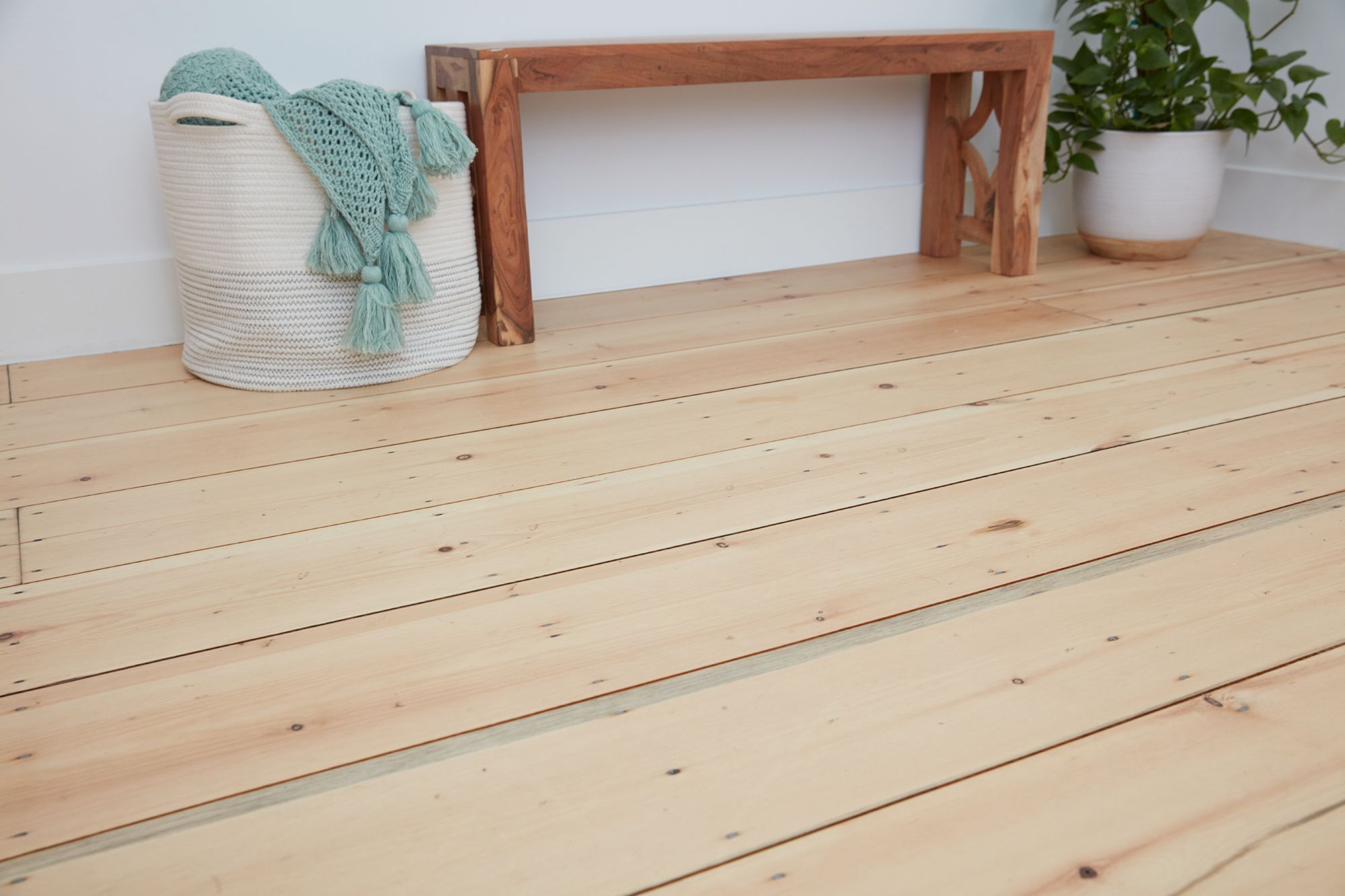
Solid hardwood flooring in lengths long enough to bridge joists is becoming more scarce. Commodity flooring comes in a range of lengths, some as little as 6 or 8 inches.
Flooring made of laminate
As long as the entire height of the flooring does not interfere with other functions, laminate flooring may be used to cover existing floor coverings. Laminate flooring, being a floating floor, is simple to remove and replace with new laminate flooring.
Flooring Made of Engineered Wood
Engineered wood flooring is a combination that combines the greatest qualities of solid hardwood flooring with the utility of dimensionally stable plywood. The very top layer of engineered wood flooring is made out of hardwood veneer.
Vinyl Sheet Flooring
Sheet vinyl flooring runs from one end of a room to the other, generally as a single continuous sheet.
Flooring made of vinyl tiles
Vinyl tile flooring is a kind of floor covering that relies on an ultra-smooth underlayment to prevent bumps and defects from transferring to the top of the flooring.
Flooring using Luxury Vinyl Planks
Luxury vinyl plank flooring connects using a click and lock system (though thinner types are joined by adhesive).
Flooring made of tiles
Ceramic or porcelain flooring is a more permanent floor covering than other floor coverings, since removing old tile may be a time-consuming operation.
Carpeting
Carpeting is the epitome of a floor covering. It can never be considered a single, uniform flooring part. Carpeting is very simple to remove and replace.

The following are often required flooring components that are not finish floors or floor coverings:

Subfloor \sUnderlayment
Plywood, foam felt, rosin paper, and cement board
Joists \sBeams \sBaseboards
How the Finish Floors and Floor Coverings Concept Evolved
Only those who have acquired genuinely ancient houses that are still in excellent shape will be able to see the development of flooring firsthand. If you were to remove the solid hardwood flooring in an old house, you may only uncover joists. Joists are horizontal structural beams that run horizontally under floors to support them.

Alternatively, after removing the hardwood flooring, you may discover a lower layer of long, thin rough boards running perpendicular to the hardwood flooring.

In any scenario, the ornamental flooring and structural flooring would be identical. If you ever need to remove the ornamental flooring, such as in the case of a flood, you will also be removing the structural flooring.

As construction science advanced, the concept of making flooring consisting of numerous layers gained traction. Lower layers might offer the majority of structural support, with the highest layer serving as a decorative but durable traffic layer.

This change was also aided by commercialization. In the early twentieth century, Armstrong and other floor covering businesses started to produce linoleum, a great example of a non-structural floor covering.

Despite the fact that linoleum was invented in 1863, it would be decades before flooring firms created a product that the general public would accept. Linoleum was a near-miracle product for its time. It was colorfast, did not accumulate static electricity, and was rather soft. But, best of all, linoleum could be easily removed and replaced. Except for area rugs, few other flooring before this could claim this distinction.