Many people love gardening because it lets them connect with nature and make their surroundings look better. One essential aspect of gardening is selecting the right flower pots to showcase your plants. However, this seemingly simple task can be fraught with common mistakes that can hinder the growth and overall health of your plants. In this article, we will explore some of the most prevalent mistakes to avoid when choosing flower pots for your garden.
Neglecting Proper Drainage
One of the most critical factors in flower pot selection is ensuring proper drainage. Many gardening enthusiasts make the mistake of choosing pots without drainage holes or using saucers that prevent water from escaping. Water problems, like root rot, can happen when there is too much water at the bottom of the pot. To avoid this mistake, always opt for pots with drainage holes or consider adding your own if necessary. Elevate the pots slightly using pot feet or bricks to allow water to escape freely, promoting healthier plant growth.
Size Matters: Not Matching Pot Size To Plant Size
It is very important to choose the right pot size for your plants. People often select pots that are either too small or too big for their plants. When pots are too small, plants can become root-bound and struggle to grow. On the other hand, overly large pots can lead to overwatering and make it difficult for your plants to establish a strong root system. Always consider the size of your plant’s root system and growth potential when choosing flower pots to ensure the right fit.
Poor Material Choices
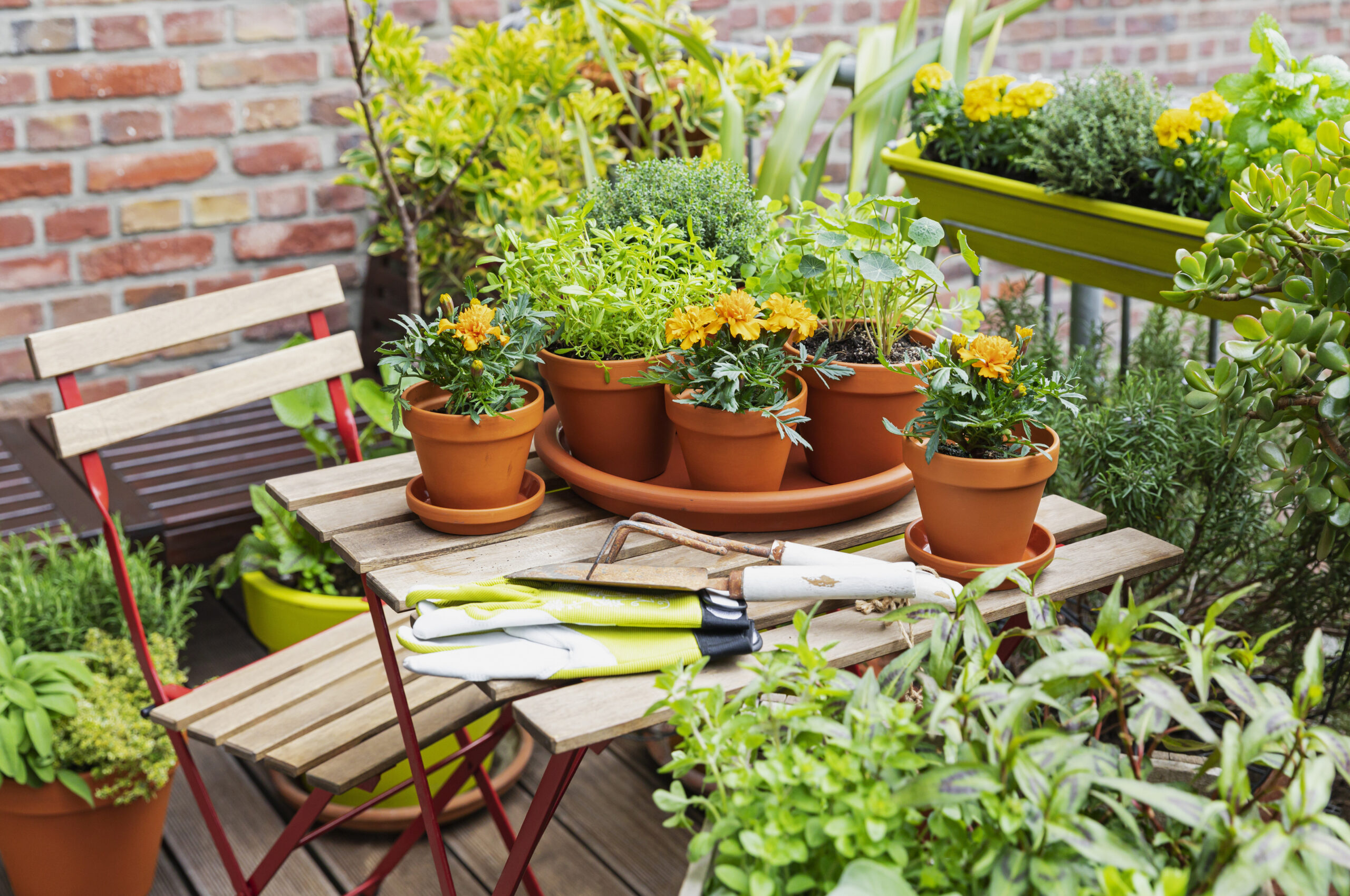
The material of your flower pots can have a big effect on how healthy your plants are and how long they live. Clay, pottery, plastic, and wood are all common materials. Each has pros and cons, and picking the wrong one can cost you a lot of money. Clay and ceramic pots are porous, providing good aeration but drying out quickly. Plastic pots are lightweight and retain moisture, but they may not be as durable. Wood pots can be beautiful but can rot over time. Consider your climate, the specific needs of your plants, and your aesthetic preferences when selecting pot materials.
Forgetting About Insulation
Another common mistake is neglecting to insulate your flower pots during extreme weather conditions. In cold climates, pots can crack if they are not protected from frost. To avoid this mistake, consider using pot liners, bubble wrap, or moving pots to a sheltered area during winter. In hot climates, pots can become scorching and damage plant roots. Use reflective mulch or light-colored pots to reduce heat absorption and keep the roots cooler.
Skipping Soil Selection
Choosing the right soil is as crucial as selecting the right pot. Many gardeners make the mistake of using garden soil in their pots, which can compact and hinder drainage. Instead, opt for a high-quality potting mix specifically formulated for container gardening. These mixes are made to give growing plants the right amount of nutrients, airflow, and water retention so your plants have a better chance of doing well.
Overlooking Aesthetic Considerations
While functionality is essential, aesthetics also play a significant role in your garden’s overall appeal. Neglecting the visual aspect of your flower pots can be a mistake. Think about the pots’ style, color, and shape to make sure they go with the theme of your yard and the surroundings. Coordinating your pots with your outdoor decor can enhance the overall beauty of your garden.
Ignoring Plant Compatibility
Another mistake is not thinking about what the plants you want to grow in a certain pot need. Some plants require deeper pots for their extensive root systems, while others do well in shallower containers. Some plants prefer acidic soil, while others thrive in alkaline conditions. Research the requirements of your chosen plants and select pots that align with their needs for soil depth, pH, and space.
Overcrowding Your Pots
Putting as many plants as you can in one pot might seem like a good way to make the most of your yard area. But too many plants can make it hard for them to get water, nutrients, and sunshine, which can slow their growth or even kill them. Pay attention to how far apart each plant should be, and don’t crowd them together for the best growth.
Conclusion
Finding the right flower pots for your yard is an important part of making it a healthy and attractive place to be outside. By avoiding common mistakes such as neglecting drainage, mismatching pot size to plant size, and selecting inappropriate materials, you can set your plants up for success. Additionally, considering insulation, soil selection, aesthetics, plant compatibility, and avoiding overcrowding will help you make informed choices that promote healthy and beautiful garden growth. If you give your garden a lot of thought and attention to detail, you can enjoy plants that are healthy and growing well.