Categories
Home-Improvement

How Long Do AC Repairs Take? What Florida Homeowners Should Expect

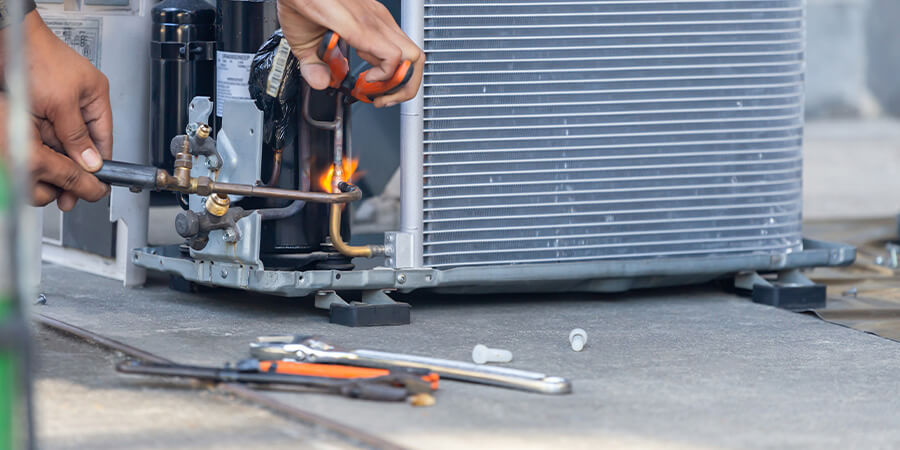
If your air conditioner suddenly stops working in the middle of a Florida summer, one of the first questions you’ll probably ask is: how long do AC repairs take? The short answer is—it depends. Some repairs can be completed in under an hour, while others may take several hours or even require a follow-up visit if special parts are needed.

Understanding what affects AC repair timelines can help you set realistic expectations and avoid unnecessary stress. Whether you’re dealing with weak airflow, strange noises, or a complete system shutdown, here’s what you need to know.

What Determines How Long an AC Repair Takes?

Not all air conditioning problems are created equal. The time required to fix your system depends on several key factors.

Type of Issue

Minor issues are typically resolved quickly. For example, replacing a clogged air filter, resetting a tripped breaker, or cleaning a dirty condenser coil can often be completed within 30 minutes to an hour. However, more complex problems—like compressor failure or refrigerant leaks—take longer because they require specialized tools, diagnostics, and sometimes replacement parts.

Diagnostic Time

Before any repair begins, a licensed HVAC technician must properly diagnose the issue. Modern systems can be complex, especially high-efficiency or smart thermostat-connected units. Diagnostic testing alone may take 30–60 minutes to accurately pinpoint the root cause.

Parts Availability

If the required part is readily available on the service truck, repairs can often be completed the same day. However, if a specialized component must be ordered, the repair could require a return visit. Working with a well-stocked, experienced HVAC company significantly reduces delays.

System Age and Condition

Older units often take longer to repair because components may be harder to access or discontinued. In some cases, technicians may recommend replacement instead of repair if the system is near the end of its lifespan.

Common AC Repairs and Their Typical Timelines

Here’s a breakdown of common air conditioning repairs and how long they usually take:

Thermostat Replacement

Time: 30 minutes to 1 hour

If your thermostat is malfunctioning or outdated, replacing it is usually a quick and straightforward process.

Capacitor Replacement

Time: 30 minutes to 1 hour

A faulty capacitor is one of the most common AC problems. This repair is typically completed quickly and restores your system’s ability to start properly.

Refrigerant Recharge and Leak Repair

Time: 1 to 3 hours

Refrigerant issues require careful leak detection, repair, and proper recharging according to EPA guidelines. This process takes longer because accuracy is critical.

Blower Motor Repair or Replacement

Time: 1 to 3 hours

The blower motor is essential for airflow. Depending on accessibility and the specific unit model, this repair can vary in duration.

Compressor Replacement

Time: 4 to 8 hours

The compressor is one of the most important and complex components in your AC system. Replacing it is labor-intensive and may take most of the day.

Can AC Repairs Be Done the Same Day?

In many cases, yes. Most reputable HVAC companies aim to complete repairs during the initial visit whenever possible. Same-day service is especially common for minor repairs and widely available parts.

However, if your system requires a specialized part or if the issue is extensive, a follow-up appointment may be necessary. That’s why choosing a company that offers honest assessments and clear communication is essential.

When Repair Time Signals a Bigger Problem

If a repair is expected to take significantly longer than average, it could indicate deeper system issues. For example, recurring refrigerant leaks or repeated electrical failures may suggest that your unit is approaching replacement age.

In Florida’s climate, air conditioners work harder and longer than in many other states. This constant strain can shorten system lifespan and increase repair frequency. If you find yourself scheduling frequent service calls, it may be more cost-effective to consider upgrading to a new energy-efficient unit.

How to Reduce AC Repair Time

While you can’t always prevent breakdowns, regular maintenance dramatically reduces both repair frequency and repair time. Annual inspections help technicians catch minor issues before they escalate into major failures.

Homeowners can also help by:

  • Changing air filters regularly
  • Keeping outdoor units clear of debris
  • Addressing unusual noises or performance issues early
  • Scheduling professional tune-ups before peak summer months

Proactive care ensures faster diagnostics and quicker repairs when problems do occur.

Why Professional AC Repair Matters

Some homeowners may be tempted to attempt DIY fixes after watching online tutorials. While replacing a filter is simple, most AC repairs involve electrical components, refrigerant handling, and specialized tools. Attempting repairs without proper training can lead to further damage, safety hazards, or voided warranties.

Professional HVAC technicians have the experience to accurately diagnose problems, complete repairs efficiently, and ensure your system runs safely and efficiently. In a hot, humid state like Florida, restoring cooling quickly isn’t just about comfort—it’s about protecting your home and family.

Final Thoughts

So, how long do AC repairs take? Minor fixes may take under an hour, while major component replacements can require several hours or multiple visits. The exact timeline depends on the issue, parts availability, and system condition.

The good news is that with the right HVAC partner, most air conditioning problems can be resolved quickly and professionally. If your AC system isn’t performing as it should, don’t wait until the heat becomes unbearable. Schedule a professional inspection and get your cooling system back on track as soon as possible.

This post was written by a professional at Air Mavericks Heating & Cooling. Air Mavericks Heating & Cooling provides expert AC service Belleair FL, along with AC repair, installation, and maintenance in Largo, FL. Searching for AC companies near you, HVAC repair near you, or HVAC installation near you? Our licensed techs deliver fast, honest, and reliable HVAC service.

Categories
Home-Improvement

Pool Heat Pump vs. Gas Heater: Repair and Maintenance Differences

Keeping your pool at the right temperature makes swimming more enjoyable. Two common options are pool heat pumps and gas heaters. While both can warm your pool, they work in different ways and have different repair and maintenance needs. Understanding these differences can help you choose the best option for your home.

How They Work

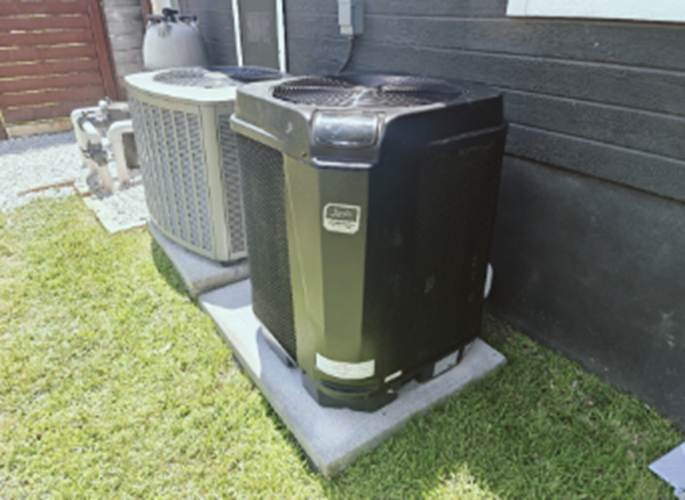
A pool heat pump uses electricity to pull heat from the air and transfer it to the pool water. It works best in warm climates and is known for energy efficiency.

A gas heater, on the other hand, burns natural gas or propane to heat water quickly. It is ideal for fast heating, especially in cooler weather or when you only use your pool occasionally.

Maintenance Needs

Heat pumps usually need less maintenance. Regular tasks include cleaning the air filter, checking the fan, and making sure airflow is not blocked. Keeping the unit clean helps it run efficiently.

Gas heaters require more regular care. Burners, gas lines, and ignition systems must be checked often. Dirt or debris can affect performance, so routine cleaning is important. Because gas heaters involve fuel, safety checks are also necessary.

Common Repairs

Heat pump repairs often involve electrical components like sensors, wiring, or compressors. These issues can affect how well the unit transfers heat. While repairs may cost more upfront, they are usually less frequent.

Gas heaters may need repairs more often. Common issues include clogged burners, faulty thermostats, or ignition problems. These repairs can add up over time, especially if the heater is used frequently.

Lifespan and Efficiency

Heat pumps tend to last longer, often up to 10–15 years with proper care. They are more energy-efficient, which can lower long-term costs.

Gas heaters usually have a shorter lifespan, around 5–10 years. They use more energy but provide faster heating, which can be useful for quick temperature changes.

Choosing the Right Option

Both systems have their benefits, and the best choice depends on your needs and usage. If you want steady, energy-efficient heating, a heat pump may be the better option. If you need fast heating for occasional use, a gas heater might be more suitable.

At Perfect Catch Electric, we help homeowners choose, maintain, and repair pool heating systems with confidence. We provide expert inspections, reliable repairs, and guidance to keep your system running safely. By working with us, we ensure your pool stays comfortable year-round while helping you avoid costly breakdowns and extend the life of your equipment.

This post was written by a professional at Perfect Catch Electric. Perfect Catch Electric is a family-owned pool electrical specialist serving Largo and the greater Tampa Bay area. With over 30 years of experience, we focus exclusively on electrical systems for pools and spas, including pumps, heaters, automation, lighting, salt systems, and bonding and grounding. Our work is always code-compliant, safe, and built to last. Licensed and insured, we pride ourselves on honest service, clear communication, and reliable solutions that keep pools operating efficiently and safely. When it comes to pool electrical work, pool heat pump repair Clearwater, experience matters—and Perfect Catch Electric delivers it every time.

Categories
Home-Improvement

Understanding Market Value: Why Pre-Foreclosure Appraisals Matter

Once a property enters pre-foreclosure, emotions begin to run high, and financial pressure increases. One of the most pivotal steps in that period for both homeowners and lenders is to establish what the market value of the property really is. The pre-foreclosure appraisal essentially serves as the guide to a property’s worth and the decisions that follow.

What Is A Pre-Foreclosure Appraisal?

A pre-foreclosure appraisal is a professional assessment of the property regarding its current market value before the actual foreclosure proceedings take place. Unlike a regular appraisal performed during the sale or refinance process, this appraisal aims at a quick and accurate determination of how much the home is worth in its present state. Thus, it assists in defining clear paths for the homeowner and lender.

Protecting Homeowner Equity

A lot of homeowners tend to underestimate how much equity they may still have. A pre-foreclosure appraisal reveals the true value of the home, which is usually higher than homeowners expect. This information empowers homeowners to target lenders, explore selling options, or pursue alternatives to avoid foreclosure entirely. In some instances, knowing the property’s value can prevent unnecessary financial loss.

Helping Lenders Make Informed Decisions

For lenders, a correct appraisal ensures that they fully understand the worth of the property upon which they are about to move forward into foreclosure proceedings. This information will help determine whether a short sale, loan modification, or repayment plan can better resolve the situation. A precise value lessens the risk of a costly implementation error or undervaluation of an asset.

Providing A Fair Basis For Negotiation

With equal knowledge of an unbiased market value, the communication becomes clear and more productive. By determining a fair value at the outset, the pre-foreclosure appraisal sets expectations for negotiating terms while insulating the affected parties from price disputes. Be it repayment options or consideration of a sale of the property, the appraisal provides a solid basis for developing all options.

Supporting A Faster, Smoother Resolution

Accurate property values lead to quicker resolutions. With an appraisal in hand, homeowners can make informed decisions, and lenders can avert inordinate delays fueled by uncertainty or expired estimates. Ultimately, this clarity allows both parties to progress with certainty.

This post was written by a professional at Meridian Property Appraisers. Meridian Property Appraisers is a statewide private appraisal firm based in St. Petersburg, FL, and provides services in Pinellas, Hillsborough counties, and surrounding areas. We provide accurate, reliable, and timely property valuation reports for clients across Florida. Our experienced team serves homeowners, real estate agents, attorneys, construction companies, and other professionals seeking dependable appraisal services. Whether you need a residential appraisal, divorce appraisal, or valuation for estate or construction purposes, Meridian delivers trusted results with integrity, precision, and prompt communication every time. Click here to learn more today!

Categories
Home-Improvement

Roof Maintenance Services for Residential and Commercial Properties

A durable and well-maintained roof is a cornerstone of any property, whether residential or commercial. Regular attention ensures protection from weather, extends the lifespan of the roof, and prevents costly repairs. Roof maintenance services provide homeowners and business owners with professional care, addressing potential issues before they become serious problems. By investing in proper roof care, property owners safeguard their buildings, assets, and the comfort of occupants.

The Importance of Roof Maintenance Services

Roofs are constantly exposed to the elements, including rain, sun, wind, and even snow in certain regions. Over time, these factors can lead to leaks, structural damage, and material deterioration. Roof maintenance services help detect and address these issues early, ensuring the roof continues to perform effectively. Regular inspections and preventive maintenance protect against unexpected emergencies that can disrupt daily life or business operations.

For residential properties, a damaged roof can affect not only safety but also energy efficiency. Leaks and poor insulation can lead to higher utility bills, while structural damage can compromise the integrity of the home. Roof maintenance services provide solutions such as cleaning gutters, checking shingles or tiles, and inspecting for wear and tear, keeping homes safe and comfortable for families.

In commercial properties, roof issues can lead to business interruptions, equipment damage, and even liability concerns. A well-maintained roof ensures that business operations remain uninterrupted and that employees and clients are protected. Roof maintenance services for commercial buildings often include more extensive inspections and repairs, catering to larger and more complex roofing systems.

Key Components of Effective Roof Maintenance Services

Effective roof maintenance services involve thorough inspections, timely repairs, and preventative measures. Professional contractors examine the entire roofing system, including shingles or tiles, flashing, gutters, vents, and underlying structures. This comprehensive approach ensures that no potential issue goes unnoticed.

One of the main objectives of roof maintenance services is early detection of problems. Cracked or missing shingles, leaks, moss or algae growth, and damaged flashing are common concerns. Addressing these issues promptly prevents further damage and avoids costly repairs in the future. Maintenance also includes cleaning debris, ensuring proper drainage, and checking for signs of water intrusion or structural weakness.

Preventive treatments, such as sealant applications and protective coatings, are often part of roof maintenance services. These measures enhance durability, resist weathering, and prolong the lifespan of both residential and commercial roofs. By combining inspections, repairs, and preventive care, property owners can maintain a reliable roofing system that withstands the challenges of time and environment.

Customized Solutions for Residential and Commercial Roofs

Roof maintenance services are tailored to the specific needs of each property. Residential roofs often require attention to aesthetic considerations alongside functionality, ensuring that the roof complements the home’s design while remaining secure. Professionals may recommend repairs, replacements, or upgrades based on the material type, age, and condition of the roof.

Commercial properties often feature flat or low-slope roofs, which have different maintenance requirements compared to residential roofs. Roof maintenance services for commercial buildings focus on drainage systems, membrane integrity, and adherence to safety standards. Tailoring maintenance programs to the specific structure and usage ensures optimal performance and long-term protection.

Property owners also benefit from scheduled maintenance plans. Routine inspections, whether biannual or annual, provide consistent monitoring of the roof’s condition. These proactive services reduce the likelihood of emergency repairs and contribute to overall cost savings. Both homeowners and business managers can plan budgets effectively while maintaining a safe and durable roof.

The Benefits of Professional Roof Maintenance Services

Engaging professional roof maintenance services offers numerous advantages. First, it provides peace of mind. Property owners can rest assured that experienced technicians are inspecting and addressing potential issues before they escalate. Professionals have the expertise to identify subtle signs of damage that might be missed by untrained eyes.

Second, regular maintenance extends the lifespan of the roof. Timely repairs, cleaning, and protective treatments help preserve materials and prevent premature deterioration. For both residential and commercial properties, this translates into fewer replacements, reduced expenses, and a more secure building.

Third, professional roof maintenance services enhance energy efficiency. Well-maintained roofs improve insulation, minimize leaks, and reduce energy loss. This is particularly beneficial for commercial properties where large buildings can incur significant heating and cooling costs. Residential homes also benefit from improved comfort and lower utility bills.

Finally, roof maintenance services safeguard property value. A damaged or poorly maintained roof can significantly reduce the market value of a home or commercial property. Regular maintenance ensures that the roof remains in good condition, protecting the investment and making properties more attractive to potential buyers or tenants.

Choosing the Right Roof Maintenance Services Provider

Selecting a reliable provider for roof maintenance services is essential for ensuring quality and consistency. Look for contractors with experience, proper licensing, and positive reviews from previous clients. Professionals who offer comprehensive inspections, timely repairs, and preventive measures provide the best value.

Communication is also important. A reputable provider will clearly explain findings, recommend solutions, and provide transparent pricing. They will work with property owners to develop a maintenance schedule that suits the building’s needs and ensures ongoing protection. Whether for a residential or commercial property, partnering with a skilled and trustworthy team maximizes the benefits of roof maintenance services.

Categories
Home-Improvement

The Benefits of Buying Used Aggregate Equipment: Cost-Effective Solutions

When it comes to expanding or upgrading your construction or mining fleet, buying used aggregate equipment can offer substantial financial benefits. For many businesses, particularly those in the construction, mining, and material handling industries, purchasing new machinery may not always be the most cost-effective solution. Used equipment can provide the same level of performance as new machines without the steep price tag. This article explores the key benefits of buying used aggregate equipment and why working with an experienced aggregate equipment dealer can lead to valuable savings.

1. Lower Initial Investment

The most obvious benefit of purchasing used aggregate equipment is the lower upfront cost. New machinery can be expensive, especially when buying high-end equipment like crushers, screens, and conveyors. The initial price for a used piece of equipment is typically significantly lower, allowing you to either save money for other business needs or purchase additional machinery to expand your fleet. This is particularly important for businesses that are just starting or looking to reduce operating costs without compromising productivity.

2. Minimized Depreciation

All machinery experiences depreciation, but new equipment depreciates much faster in the first few years of its life. When you buy used aggregate equipment, the initial depreciation hit has already occurred. This means that the asset will retain its value for a longer period, making it a better investment in the long run. While new equipment may lose up to 20% of its value in the first year, used machinery has already taken that hit, ensuring you get a better return on your investment over time.

3. Proven Reliability

Used equipment from reputable dealers typically comes with a proven track record. When buying from a trusted aggregate equipment dealer, you can often access information on the machine’s previous usage and maintenance history. This transparency helps ensure that the equipment you’re purchasing is still in good working condition. Many used machines have been well-maintained, and the dealer will provide details on any repairs or upgrades that have been made. Additionally, a reliable dealer can offer warranties or service agreements to further reduce risk.

4. Quick Availability

Another advantage of purchasing used aggregate equipment is its immediate availability. New machines often come with long lead times, especially for custom orders. If you’re in need of equipment urgently, used options are readily available. Working with an experienced aggregate equipment dealer can help you quickly find the machinery that suits your needs and has been properly inspected. This can prevent delays in your construction project or mining operation, allowing you to stay on schedule and keep your business running smoothly.

5. Wide Selection and Customization

The used equipment market offers a broad range of machines with different features and specifications. Whether you’re looking for a specific model of a crusher, screening plant, or conveyor system, a reputable dealer will have a wide selection of machines to choose from. This variety gives you the flexibility to find exactly what you need at a price that fits your budget. Additionally, many used machines can be customized or refurbished to meet your specific operational needs, providing you with equipment that is tailored to your business.

6. Lower Insurance Costs

Insurance premiums for used aggregate equipment are typically lower than for new equipment. Since the value of used machinery is lower, the cost to insure it also tends to be reduced. This can further help to keep operational expenses down. Lower insurance costs can make a significant difference, particularly if you have a fleet of machines to insure.

7. Environmentally Friendly

Buying used equipment is not only cost-effective, but it also has environmental benefits. By purchasing used machinery, you’re helping to reduce the demand for new manufacturing, which consumes natural resources and energy. Extending the life of equipment through resale and reuse contributes to a more sustainable and eco-friendly industry.

Conclusion

Buying used aggregate equipment offers a variety of advantages that can help your business save money and improve its efficiency. The lower upfront cost, slower depreciation, proven reliability, and immediate availability make used equipment a smart choice for many businesses. By partnering with a trusted aggregate equipment dealer, you can find high-quality used machines that meet your operational needs without breaking the bank. Whether you’re looking to expand your fleet, replace aging machinery, or find a cost-effective solution to stay competitive, used equipment is a viable option that can deliver long-term benefits for your company.

Categories
Home-Improvement

Essential Regional Home Maintenance: Protect Your Home With Professional Waterproofing

When it comes to maintaining the integrity of your home, addressing water-related issues is critical. Whether you’re in a rainy region or an area that experiences fluctuating seasons, water intrusion can cause significant damage. One of the most essential methods to prevent water damage is Basement Waterproofing Gary. This practice is crucial for homeowners who want to safeguard their property from the long-term effects of moisture infiltration. In Gary, where water problems can be particularly prevalent due to local weather conditions, ensuring your home is properly waterproofed is one of the best ways to maintain its value and structural integrity.

Numerous issues can arise from water infiltration into crawl spaces and basements. Beyond the obvious risk of flooding, moisture can lead to mold growth, wood rot, and damage to electrical systems, which could cause long-term health hazards and costly repairs. For homeowners, it’s not just about fixing the problem after it occurs; it’s about taking proactive steps to prevent water from ever entering your home in the first place.

The Importance Of Basement Waterproofing

Basement waterproofing is a preventive measure that involves sealing and protecting the foundation of your home to keep water out. This process typically includes a combination of exterior and interior waterproofing systems, such as installing drainage systems, sump pumps, and vapor barriers. By eliminating the pathways through which water can enter, you are essentially fortifying the most vulnerable part of your home.

In Gary, with its unique climate and local environmental factors, proper waterproofing becomes even more important. The winters often bring heavy snow that can melt into water seepage issues, and spring showers can increase the likelihood of basement flooding. Additionally, the region’s soil can exacerbate water issues if not properly managed. It’s essential to address these issues before they cause expensive damage to your property.

Industry Best Practices For Waterproofing

To effectively protect your home, it’s important to rely on industry best practices when it comes to waterproofing your basement. These practices have been refined over years of experience and are proven to prevent water intrusion in a variety of conditions. Using high-quality materials, such as durable sump pumps and professional-grade sealants, ensures that your waterproofing efforts will stand the test of time.

A critical step in the waterproofing process is properly diagnosing the root cause of the water problem. This involves identifying areas where water can seep in, whether through cracks in the foundation, porous walls, or poor drainage around the exterior of the home. Skilled professionals know how to pinpoint these issues and provide tailored solutions to correct them.

Furthermore, waterproofing should never be a one-time fix. Homeowners must regularly monitor the condition of their waterproofing systems, especially after heavy rains or seasonal changes, to ensure everything remains intact. Routine inspections by professionals can help catch minor issues before they escalate into major problems.

The Long-Term Benefits Of Basement Waterproofing

Although it may seem like a high upfront cost, waterproofing your basement will save your home’s general health in the long term. Protecting your home’s foundation prevents structural damage that could lead to expensive repairs. By lowering the possibility of mold and mildew, which flourish in moist conditions, waterproofing also contributes to the maintenance of indoor air quality.

In addition, a dry, well-maintained basement can be transformed into usable living space, increasing the overall value of your home. Whether you want to turn it into a finished basement, a playroom, or a home office, knowing that your basement is waterproofed will give you peace of mind.

Take Action Today

If you’re a homeowner in Gary, it’s essential to take proactive measures to safeguard your home against water intrusion. Basement waterproofing is not a luxury; it’s a necessity to ensure the health and longevity of your property. The best way to ensure you’re on the right path is to schedule a free inspection today. Professional assessment and advice can guide you in the best direction for your home’s waterproofing needs. Don’t wait until it’s too late—protect your home now and save yourself from future headaches.

Categories
Home-Improvement

Installing a Brick Backsplash in the Kitchen

The objective of a brick backsplash in the kitchen is that it is distinctive and eye-catching. Ceramic, glass, or stone tile backsplashes, as well as countertop material extensions, are popular choices for kitchen backsplashes. A brick backsplash, on the other hand, catches your eye and exudes a sense of timeless solidity. It’s also a job that’s less difficult to finish than it seems, due to the simple-to-install thin brick veneer.
What Is a Brick Backsplash?
A brick backsplash is a durable covering for the wall behind kitchen cabinets. It may be used for both ornamental and practical purposes.
Things to Get Rid of in Your Kitchen Right Now
A brick backsplash gives a sturdy, traditional appearance as décor. A brick backsplash serves as a firm, thick covering to protect the wall from harm.
A modern brick backsplash is often constructed with a moulded brick-like veneer masonry unit rather than genuine extruded brick. A brick backsplash in the kitchen constructed of solid brick may be original to the house and not an additional element in older homes.
What if you used real bricks?
Full-size clay or concrete brick, such as that used to create walls or paths, is usually not a choice for kitchen backsplashes.
While full-size brick is inexpensive, its bulk and weight make it unsuitable for backsplashes.
A full-size brick is about 4 inches by 8 inches by 2 inches thick. A full-size brick would take up 4 inches of the restricted depth of a 25-inch kitchen counter. Furthermore, since the bricks would be resting on the surface, their weight (about 5 pounds per square foot) would be too great for the counter to bear.
Durability
A brick veneer backsplash outlasts painted drywall as a hard surface. A brick backsplash constructed of moulded veneer bricks, on the other hand, may be less durable than other kinds of hard surfaces because chips or scratches remove the top colour and show the grey cement-like substance. Touch-up paint is available from most manufacturers for this purpose. This will not be an issue with extruded thin bricks.
Dimensions and spacing
A brick backsplash may go all the way from the top of the kitchen countertop to the ceiling. Alternatively, depending on the placement, it may come to a halt at the bottom of the wall cabinets.
Brick veneer has the same side measurements as true brick: about 2 inches high by 8 inches long. This style of brick veneer is available in single brick-sized components.
Because wall cabinets typically rise 18 to 24 inches above countertop height, imitation brick panels are appropriately designed to fill that gap: typically 26 to 27 inches high. Two simulated brick panels could then cover an 8-foot length of countertop backsplash.
Because brick veneer or panels add 1/4 to 3/4 inch to the thickness of the wall, electrical boxes must be extended outward.
Brick Backsplash Price A 16-square-foot brick backsplash will cost between $250 and $350. The bulk of the cost is made up of brick veneer, which ranges from $150 to $200 every 18 to 20 square feet.
An additional $100 to $150 will include thinset mortar, grout, and specialised equipment that you may not already have on hand.
Faux brick veneer panels are around 25% to 30% more expensive than brick veneer. However, the additional cost may be recouped since few other materials or equipment are required.