
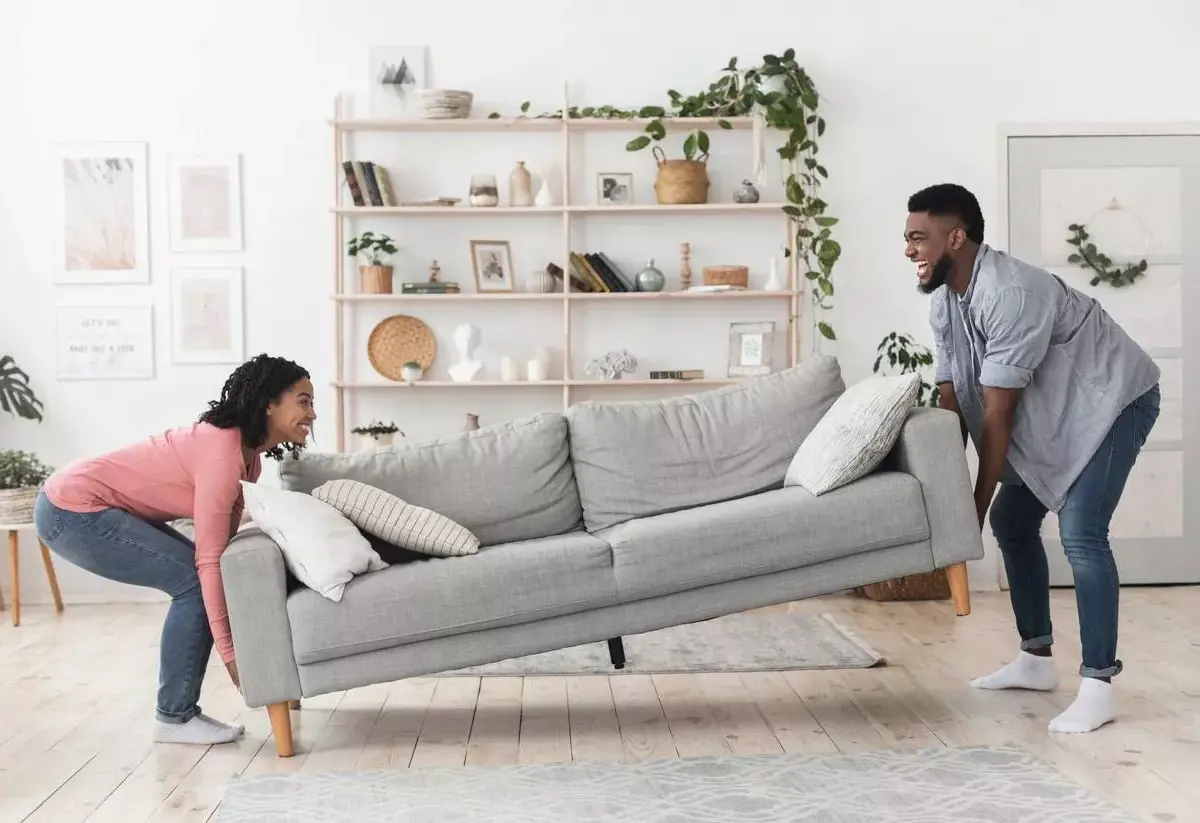
A well designed home is not defined by how much it contains, but by how thoughtfully space is used. Many people assume that filling a room with furniture makes it feel complete, yet the opposite is often true. Even during quiet moments like scrolling through sad dp boy, we can sense how simplicity creates a calmer and more meaningful environment. Reducing furniture can transform a space, making it feel more open, functional, and emotionally balanced.
The Power Of Open Space
Open space is one of the most underrated elements of interior design. When a room is not overcrowded, it allows for better movement and visual clarity.
Too much furniture can make a space feel restricted and overwhelming. By removing unnecessary pieces, you create room for light and air to flow freely. This openness enhances comfort and makes the home feel more inviting.
A spacious environment supports both physical ease and mental relaxation.
Functionality Over Quantity
Every piece of furniture should serve a purpose. When items are chosen based on function rather than quantity, the overall design becomes more efficient.
Instead of adding more furniture, focus on selecting pieces that meet your needs. Multi functional furniture can also help maximize usability without increasing clutter.
Insights shared on platforms like https://pedrovazpaulobusinessconsultants.org often emphasize efficiency and purpose, which are equally important in home design.
Prioritizing functionality ensures that your home remains practical and organized.
Creating Visual Balance
Balance is essential for creating a harmonious living space. Too many items can disrupt this balance and make a room feel chaotic.
Reducing furniture helps create a clean and organized look. It allows each piece to stand out and contribute to the overall design.
A balanced space feels more complete because it is visually pleasing and easy to navigate.
Enhancing Comfort And Movement
A home should support comfort and ease of movement. When furniture is limited, it becomes easier to move around without obstruction.
This improves daily living by making tasks more convenient and reducing physical strain. Open pathways and uncluttered areas contribute to a more comfortable lifestyle.
Just as structured systems like pm aawas yojana focus on efficient use of resources, thoughtful furniture placement enhances the usability of space.
Reducing Mental Clutter
Physical clutter often leads to mental clutter. A crowded environment can create stress and make it difficult to relax.
By reducing furniture, you simplify your surroundings. This simplicity promotes a sense of calm and clarity.
A clean and open space allows the mind to focus and unwind, improving overall well being.
The Role Of Simplicity In Design
Simplicity is a key principle in modern design. It emphasizes clean lines, minimal elements, and purposeful choices.
For example, learning structured patterns like ko kho go gho highlights the importance of clarity and order. Similarly, a simple home design creates a sense of structure and harmony.
Simplicity does not mean lack of style, it means intentional design that enhances the space.
Highlighting Key Elements
When there is less furniture, important elements in the room become more noticeable. This could include natural light, architectural features, or decorative pieces.
Instead of competing for attention, each element has space to stand out. This creates a more refined and elegant look.
Fewer items allow for greater appreciation of quality and detail.
Adapting To Changing Needs
A home with less furniture is more flexible. It can easily adapt to different activities and changing needs.
Whether it is creating space for gatherings or setting up a work area, an uncluttered environment provides more options.
Even while engaging with digital platforms like snaptroud, flexibility in space allows for better integration of daily activities.
This adaptability makes the home more functional and versatile.
Encouraging Mindful Living
Reducing furniture encourages a more mindful approach to living. It prompts individuals to consider what they truly need and value.
This mindset extends beyond design and influences overall lifestyle choices. It promotes intentional living and reduces unnecessary consumption.
A mindful home reflects a balanced and thoughtful way of life.
Conclusion
Less furniture can make your home feel more complete by creating space, improving functionality, and enhancing overall comfort. It allows for better movement, reduces mental clutter, and highlights the true beauty of the space. By focusing on simplicity and purpose, you can transform your home into a place that feels both practical and inviting. A well balanced environment supports not only daily activities but also emotional well being.In the end, a complete home is not one that is filled with items, but one that provides clarity, comfort, and a sense of harmony.