
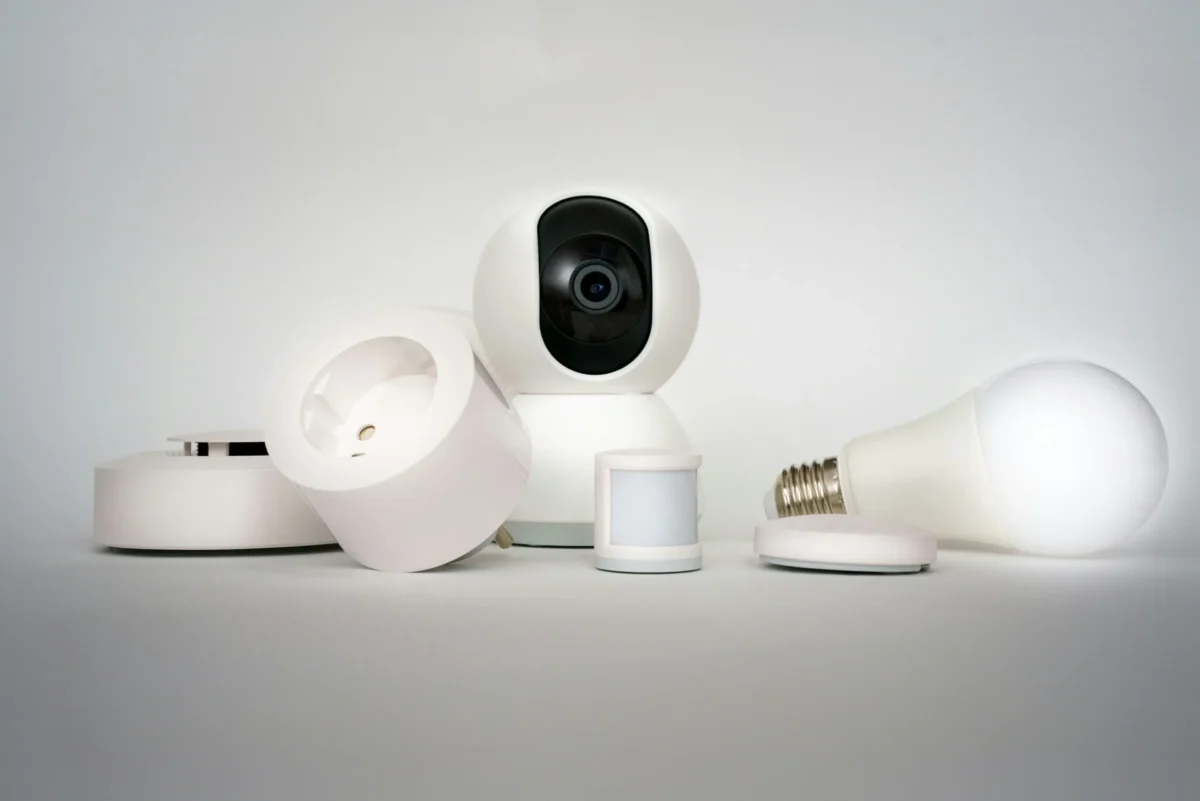
Reducing electricity use does not require sitting in a dark room, sweating through summer, or turning your home into an uncomfortable experiment. Most families can cut waste while keeping the lighting, temperature, entertainment, and appliances they value.
The key is to separate comfort from constant energy consumption. A comfortable home responds to people when they are present. A wasteful home heats, cools, lights, and powers spaces whether anyone needs them or not.
Define What Comfort Means in Your Home
Comfort is personal. One household may care most about cool bedrooms, while another wants a warm living room in the evening. Identify the rooms, times, and activities that matter most before making changes.
This approach prevents random cutbacks. Switching off a lamp used for reading may cause frustration, while turning off decorative lights in an empty room may go unnoticed. Strong household money management advice often begins with protecting priorities and cutting expenses that provide little value.
Ask each family member which energy uses affect daily comfort. Then look for equipment that runs outside those periods. You may discover a bathroom fan operating for hours, a second refrigerator holding only a few items, or an office computer left active overnight.
Control Temperature by Zones
You do not need every room to feel identical. Close curtains against strong summer sun and open them during cooler parts of the day. In winter, let sunlight warm occupied rooms, then close coverings after sunset.
Use ceiling or portable fans when people are present. Air movement can make a room feel cooler without forcing the air conditioner to reach an aggressive setting. Remember to turn fans off when everyone leaves.
Close doors to spaces that do not need the same level of comfort, but consider how your heating and cooling system handles airflow. Blocking too many vents or closing rooms served by a central system may create pressure problems. Use zoning carefully rather than guessing.
At night, focus cooling or heating on bedrooms instead of conditioning unused daytime spaces. A suitable blanket, breathable bedding, or well-placed fan may provide comfort with less system run time.
Keep Heating and Cooling Equipment Healthy
A clogged filter restricts airflow and can make rooms feel uncomfortable even while the system consumes more energy. Clean or replace filters on schedule and keep return vents free from furniture, rugs, and stored items.
Check outdoor equipment for leaves, dirt, or objects that block airflow. Do not perform electrical or mechanical work unless qualified, but keep the surrounding area clear according to the manufacturer’s recommendations.
Unusual sounds, uneven temperatures, weak airflow, or rapidly changing cycles may signal a problem. Reliable home repair and service resources can help you prepare questions before arranging professional inspection.
Maintenance protects comfort because an efficient system reaches the desired temperature more evenly. Waiting until equipment fails often means higher bills, uncomfortable rooms, and rushed repair decisions.
Use Lighting Where It Adds Value
A bright home does not require every ceiling fixture to operate at once. Combine natural light with task lamps near work areas, reading chairs, kitchen counters, and mirrors.
Replace heavily used bulbs with LEDs that match your preferred brightness and tone. Warm light may suit bedrooms and living rooms, while clearer light often works better in kitchens or workspaces.
Install dimmers where lower light levels improve the atmosphere. Motion sensors can help in garages, closets, storage rooms, and outdoor areas where lights are commonly forgotten.
Arrange furniture to make daylight useful. A desk placed near a window may need no lamp for much of the day. A mirror positioned carefully can spread light deeper into a room without consuming electricity.
Make Entertainment and Office Devices Responsive
Modern homes contain televisions, speakers, routers, monitors, printers, consoles, and charging equipment. Many remain powered long after people stop using them.
Enable sleep settings on computers and televisions. A screen should not stay fully active during long periods of inactivity. Lower screen brightness to a comfortable level rather than keeping it at the highest setting.
Connect related devices to a power strip that can be switched off easily. Keep equipment that must remain active, such as certain routers or security systems, on a separate outlet.
Charge phones, tablets, and laptops when needed, then disconnect unused chargers. The saving from one charger is modest, but a home full of idle equipment creates constant background use.
Articles covering smarter spending and technology choices can also help households judge whether a new gadget solves a real problem or adds another device that consumes power around the clock.
Cook Efficiently Without Changing Your Meals
Match the cooking appliance to the portion. Use a microwave, toaster oven, pressure cooker, slow cooker, or air fryer when it can prepare the meal without heating a full-size oven.
Keep lids on pots so food reaches the desired temperature faster. Match pan size to the burner and turn electric burners down once boiling begins.
Cook several items during one oven session when practical. Opening the oven door repeatedly releases heat and extends cooking time. Use the oven light and window to check food instead.
During warm weather, choose meals that require less indoor heat or cook at cooler times of day. This does not mean giving up favorite dishes. It means avoiding a hot kitchen that forces the air conditioner to work harder.
Improve Laundry and Dishwashing Habits
Wait for full loads, but do not pack machines beyond their recommended capacity. Overloading can reduce cleaning performance and lead to repeat cycles.
Wash most clothing in cold water and choose shorter cycles for lightly soiled items. Air-dry delicate or lightweight garments when space and weather allow.
Clean the dryer lint screen after each load. Use moisture-sensing settings when available so the machine stops when clothes are dry instead of continuing for a fixed period.
Run the dishwasher when full and use economy settings if they clean effectively. Let dishes air-dry rather than using extra heat. These changes preserve convenience while reducing unnecessary electricity.
Adapt the Plan to Local Conditions
A strategy that works in a dry, mild climate may not suit a humid or extremely cold area. Comfort depends on temperature, moisture, building materials, and local weather patterns.
Consider local housing and community insights when planning larger improvements. Shade trees, window treatments, insulation levels, and cooling equipment should match the conditions around your home.
Reducing electricity usage without sacrificing comfort is a matter of precision. Keep energy focused on occupied rooms, maintain important equipment, improve lighting, and stop devices from running without purpose. You can protect the parts of home life you enjoy while quietly removing the waste you never needed.