
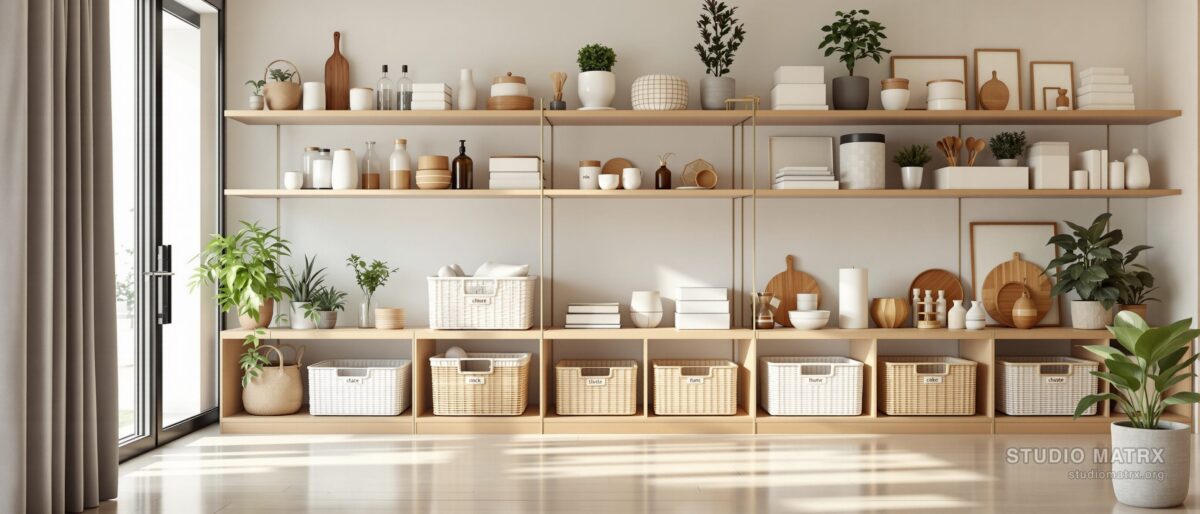
Storage is often treated as a practical household concern. People buy cabinets, add shelves, reorganize closets, and purchase containers mainly because they want rooms to look cleaner. Yet storage decisions influence much more than appearance. They affect daily routines, available living space, purchasing habits, household responsibilities, and even the amount of time people spend looking for everyday belongings.
A well planned storage system is not simply about fitting more possessions into a limited area. It is about deciding what deserves convenient access, what can remain out of sight, and what may no longer need to stay in the home at all.
Storage Influences Everyday Routines
Where belongings are stored can determine how smoothly a household functions. Items used every morning should ideally be placed where they are easy to reach. Objects needed only occasionally can occupy less accessible areas.
This principle applies to physical belongings as well as information people regularly need. Households increasingly manage paperwork alongside digital records connected with employment, public programs, bills, and services. Someone searching for theupbocw, for example, may need related documents or personal records nearby before completing an online task. Creating an organized place for important paperwork can therefore reduce unnecessary searching and interruptions.
Good storage supports routines rather than forcing people to work around clutter.
Digital Organization Has Become Part of Household Storage
Modern households store far more than clothes, kitchen equipment, and furniture. Important information now exists across phones, computers, cloud accounts, emails, and online platforms. Digital organization has consequently become an extension of traditional household organization.
A person looking for the Jkpaysys Official Website may also need salary related documents, identification details, or previous records. Keeping digital documents in clearly named folders makes them easier to locate when required.
Digital organization can follow many of the same principles as physical storage. Files should have logical locations, unnecessary duplicates can be removed, and important information should be protected appropriately. When digital records are scattered across several devices and accounts, finding one document can become surprisingly frustrating.
Accessibility Matters More Than Maximum Capacity
A storage area filled to its absolute limit is not necessarily efficient. If reaching one object requires removing ten others, the system creates additional work.
Frequently used belongings deserve the easiest locations. Seasonal decorations, spare bedding, archived paperwork, and rarely used equipment can be stored farther away. This approach makes daily life more convenient without requiring a larger home.
The same idea matters when keeping useful contact information. A person who expects to need the digishakti helpline number should store verified contact details somewhere accessible rather than depending on repeated searches. Accessibility is ultimately one of the most important qualities of any useful organization system.
Organization Can Support Household Financial Decisions
Storage also has a subtle relationship with spending. Disorganized households can encourage duplicate purchases because people forget what they already own. Someone may buy another tool, cleaning product, charger, or kitchen item simply because the existing one cannot be found.
Clear storage makes household inventory more visible. This can help families recognize what they already have before purchasing replacements.
Financial organization can extend to records connected with household expenses and programs. Homeowners researching energy related initiatives might Visit Pm Surya Ghar Muft information while evaluating potential household improvements. Keeping electricity bills, property documents, installation records, and other relevant paperwork organized can make such research easier to manage.
Storage Choices Can Change the Purpose of a Room
Poor storage consumes usable living space. A spare bedroom may gradually become a place for unopened boxes. A garage can become so crowded that it no longer accommodates a vehicle. Dining tables can turn into permanent paperwork stations.
Thoughtful organization can return these spaces to their intended purposes. Vertical shelving, under bed compartments, built in cabinetry, and carefully selected containers can use overlooked areas without overwhelming a room.
The goal should not always be to hide everything. Some possessions need to remain visible because visibility encourages regular use. Books, hobby materials, exercise equipment, or children’s creative supplies may be more useful when they are conveniently available.
Important Records Deserve Their Own System
Many households accumulate employment records, insurance documents, warranties, certificates, receipts, and government related paperwork over several years. Mixing everything into one drawer makes retrieval difficult when a particular record becomes necessary.
Someone using hkrnportal.com, for instance, may want relevant employment or administrative documents organized before accessing related information. A dedicated document system can separate records according to purpose, year, or household member.
Sensitive paperwork also deserves appropriate protection. Lockable storage may be suitable for certain physical documents, while digital copies should be stored using secure methods.
Better Storage Encourages More Intentional Ownership
Perhaps the biggest benefit of thoughtful storage is that it forces people to evaluate what they own. When every possession requires a designated location, unnecessary accumulation becomes easier to notice.
Instead of asking, “Where can this fit?” homeowners can ask, “Does this still deserve space in the house?” That small change in perspective can influence purchasing, decluttering, and long term household management.
Storage is therefore much more than an organizational technique. It shapes routines, spending decisions, digital habits, room functionality, and the relationship people have with their possessions. A successful storage system does not simply make a home look tidier. It makes everyday life easier to navigate, reduces unnecessary effort, and ensures that both physical belongings and important information are available when they are actually needed.