
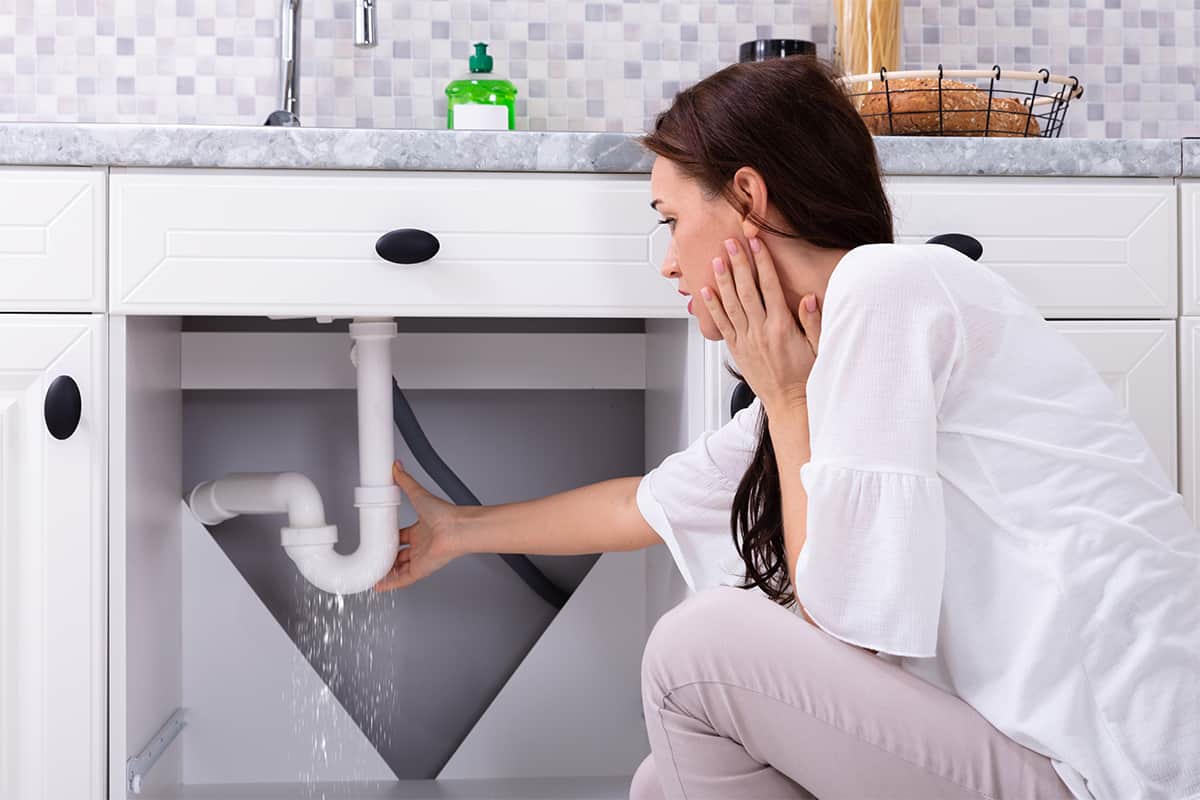
Numerous everyday tasks are managed by residential plumbing systems, such as securely eliminating wastewater and supplying clean water for cooking and bathing. While some plumbing problems may be fixed with easy fixes, others point to more serious difficulties that need expert care. A dripping faucet might seem harmless, and a slow drain may appear manageable with a household cleaner. However, these symptoms sometimes reveal underlying damage that temporary repairs cannot address. Understanding which plumbing problems require comprehensive solutions can help homeowners avoid unnecessary expenses, property damage, and repeated disruptions.
Persistent Water Leaks Behind Walls
Water leaks are among the most troublesome residential plumbing problems because they can remain hidden for extended periods. A small leak behind a wall may gradually damage drywall, insulation, wooden framing, and surrounding materials. Homeowners might notice unexplained moisture, peeling paint, musty odors, or increasing water bills before identifying the actual problem.
Finding the source of a concealed leak requires more than sealing a visible crack or replacing a nearby fixture. The Best Residential Plumbers in Houston can help homeowners investigate suspected leaks, identify damaged pipes, and determine appropriate repair methods. Addressing the underlying cause is essential because untreated moisture can encourage mold growth and weaken building materials.
Recurring Drain Blockages
A clogged sink or shower drain may initially seem like a minor inconvenience. However, repeated blockages often indicate problems deeper within the drainage system. Accumulated grease, soap residue, hair, food particles, and foreign objects can gradually restrict wastewater movement.
Although chemical drain cleaners may temporarily improve drainage, frequent use can damage certain plumbing materials. More importantly, these products cannot resolve structural problems such as collapsed pipes, root intrusion, or severe mineral buildup.
Professional drain inspections can identify the location and nature of persistent obstructions. Depending on the condition of the pipes, plumbers may recommend mechanical cleaning, hydro jetting, or targeted pipe repairs to restore proper drainage.
Sudden Changes in Water Pressure
Water pressure problems can make ordinary household activities frustrating. Weak water flow may affect showers, washing machines, faucets, and other fixtures. Conversely, excessively high pressure can place unnecessary stress on plumbing connections and appliances.
Several factors can contribute to pressure irregularities, including partially closed valves, sediment accumulation, deteriorating pipes, faulty pressure regulators, or hidden leaks.
Replacing a showerhead might improve performance temporarily, but it will not correct problems affecting the entire plumbing network. A professional assessment can determine whether the issue originates within the property or from the incoming water supply.
Water Heater Problems That Keep Returning
Water heaters are essential household appliances, yet many homeowners overlook early warning signs of mechanical deterioration. Inconsistent water temperatures, unusual noises, discolored water, and recurring shutdowns may indicate developing problems.
Sediment accumulation inside the tank can reduce heating efficiency and contribute to unusual sounds. Faulty thermostats, heating elements, or other components may also interfere with normal operation.
Simply resetting the equipment does not necessarily eliminate the underlying malfunction. Professional servicing helps determine whether cleaning, component replacement, or complete equipment replacement is appropriate. Regular maintenance can also improve reliability and potentially extend the appliance’s useful life.
Sewer Line Damage and Wastewater Backups
Sewer line problems require immediate attention because they can affect sanitation throughout the home. Multiple slow drains, unpleasant odors, gurgling toilets, and wastewater backing up into fixtures may indicate an obstruction or damaged sewer pipe.
Tree roots, shifting soil, corrosion, and accumulated debris can interfere with underground sewer lines. These problems generally cannot be corrected through ordinary household drain cleaning.
Camera inspections allow plumbing professionals to examine inaccessible sections of the sewer system. Once the damage is identified, suitable solutions may include specialized cleaning, localized repairs, or replacement of severely deteriorated sections.
Corroded and Aging Plumbing Pipes
Plumbing materials naturally deteriorate over time, particularly when exposed to corrosive water conditions or prolonged environmental stress. Older pipes may develop internal restrictions, weakened joints, or recurring leaks.
Frequent patching can become expensive when deterioration affects multiple sections of the system. In such situations, replacing individual damaged areas may provide only temporary relief.
A comprehensive plumbing evaluation helps determine whether selective pipe replacement or broader repiping offers better long-term value. The decision should consider pipe material, age, water quality, and the extent of existing damage.
Conclusion
Residential plumbing problems often develop gradually before becoming serious emergencies. Persistent leaks, recurring blockages, pressure fluctuations, malfunctioning water heaters, and deteriorating pipes deserve careful investigation rather than repeated temporary fixes. Identifying the actual cause allows homeowners to choose repairs that improve reliability and protect their property. Professional inspections, timely maintenance, and appropriate replacement decisions can prevent minor plumbing concerns from becoming costly household disruptions.