
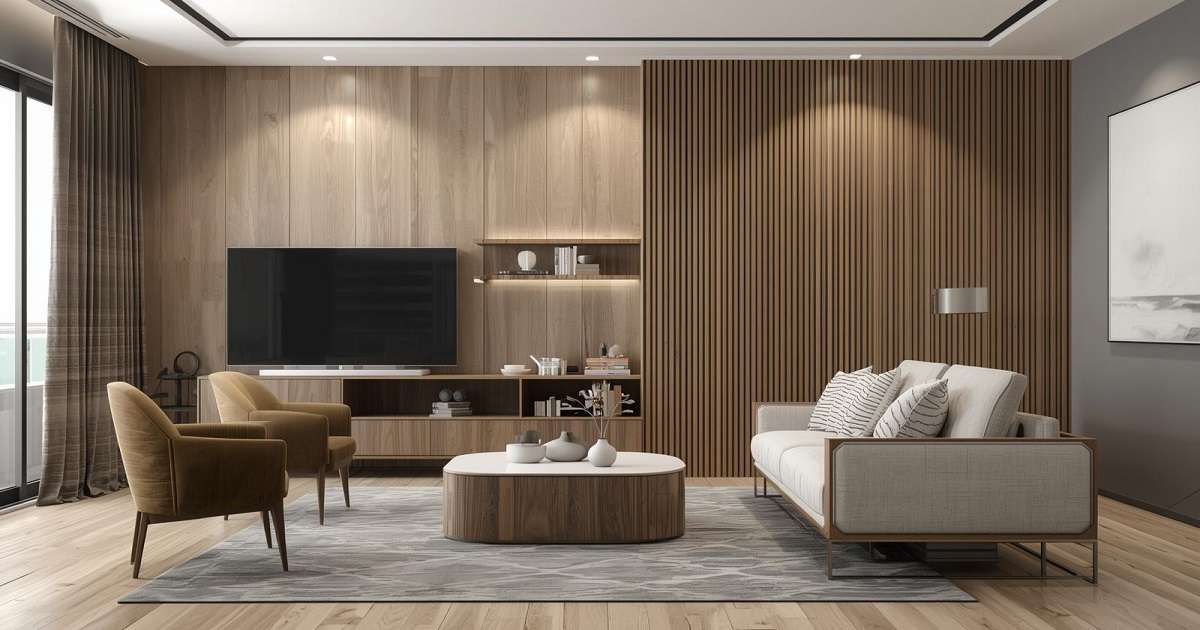
Limited floor area changes the way furniture should work. Every major piece needs to provide comfort without dominating the room, and the best options often perform two jobs at once. Space saving furniture can add storage, create flexible seating, or disappear when it is not needed. The goal is not to fill a home with clever mechanisms. It is to choose a few dependable pieces that solve repeated daily problems.
Choose Furniture That Solves More Than One Need
Multifunctional furniture works best when both functions are useful. A sofa bed has little value when no guest ever stays, while a storage ottoman may help every day.
Use Storage Seating Where Clutter Collects
A bench with hidden storage can hold shoes in an entryway, bedding in a bedroom, or toys in a living area. It keeps loose items near the place where they are used.
Choose a lid that opens easily and safely. Difficult storage soon becomes ignored storage, especially when furniture must be moved before it can open.
Let Tables Expand Only When Needed
Drop-leaf dining tables, extendable consoles, and nesting side tables preserve open floor space during ordinary days. They can then grow when guests arrive or extra work surfaces are needed.
Readers exploring compact home improvement ideas should check the furniture in both its closed and expanded positions. A table is not practical when opening it blocks every walkway.
Select Space Saving Furniture for Daily Habits
A clever design should make ordinary routines easier. Products that require constant folding, lifting, or rearranging can become frustrating when used several times each day.
Consider Wall-Mounted Work Areas
A folding wall desk provides a focused work surface without taking permanent floor space. Some designs include shallow shelves for a laptop, notebooks, and chargers.
Mount it at a comfortable height and leave room for a chair. The desk should be quick to open, yet tidy enough to close at the end of the workday.
Use Beds With Accessible Storage
Drawer beds and lift-up frames can replace a separate chest of drawers. They are useful for seasonal clothing, spare bedding, luggage, or less frequently used belongings.
Broader modern household coverage often highlights the pressure placed on bedrooms that must also support dressing, storage, and work. Under-bed storage protects the remaining floor area.
Reduce the Footprint of Essential Pieces
Some furniture cannot disappear, but it can take up less room. Slimmer dimensions and better proportions often matter more than unusual features.
Choose Shallow Cabinets and Sofas
Standard furniture may be deeper than a compact home needs. A slightly shallower sofa can free enough space for a comfortable walkway without reducing seating capacity.
Measure seat depth as well as the full frame. Thick arms and oversized back cushions can add inches without adding much comfort.
Replace Floor Lamps With Wall Lighting
Wall-mounted lights and plug-in sconces remove the need for lamp tables. They work well beside beds, sofas, and small desks.
For more space-conscious interior inspiration, look upward before adding another floor-standing piece. Walls can support lighting, shelves, desks, televisions, and folding tables.
Avoid Furniture That Creates New Problems
Not every compact product improves a compact home. Some designs save space in photographs but require too much effort, clearance, or maintenance in daily life.
Test Moving Parts Before Buying
Folding chairs, extending tables, and transforming beds should operate smoothly. Heavy parts or weak hinges can turn a clever purchase into an unused obstacle.
Check where removed cushions, table leaves, or folding chairs will be stored. A product does not save room when its loose parts create clutter elsewhere.
Prioritize Comfort Over Novelty
A narrow sofa still needs proper back support. A folding desk must remain stable. A storage bed should open safely without trapping fingers or hitting a nearby wall.
Thoughtful small-home design perspectives tend to favour simple furniture that works reliably. One well-designed storage bench can outperform several complicated products.
Conclusion
The smartest compact-home purchases remove pressure from the room instead of adding another object to manage. Good space saving furniture supports a habit, provides dependable comfort, and remains easy to use on an ordinary weekday. Measure every opening position, question each added feature, and choose quality over novelty. When furniture quietly handles storage, work, dining, or sleeping, the home gains flexibility without feeling like a puzzle.
Frequently Asked Questions
What multifunctional furniture is most useful?
Storage beds, benches, nesting tables, extendable dining tables, and compact sofa beds are useful when their additional functions match your regular needs.
Is folding furniture suitable for everyday use?
It can be, provided the mechanism is stable and easy to operate. Complicated products often remain open permanently, which removes their main benefit.
Are sofa beds comfortable enough for guests?
Many modern models provide suitable short-term comfort. Check the mattress thickness, opening mechanism, frame support, and available clearance before buying.
What furniture should I avoid in a compact home?
Avoid oversized arms, deep cabinets, bulky recliners, unstable folding pieces, and products requiring storage for several loose components.
How do I measure for an extendable table?
Measure the closed size, fully extended size, chair clearance, and walking space around every side. Include the room needed to pull chairs out.
Is custom furniture worth the cost?
Built-in or made-to-measure furniture can be worthwhile for awkward corners and long-term homes. It should solve a clear problem that standard furniture cannot address.
Can large furniture work in a compact room?
One properly scaled large piece may create a calmer result than several small items. Check its depth, height, and effect on movement.
How can furniture make a room look larger?
Choose raised legs, lighter visual shapes, open backs, reflective surfaces, and pieces that keep windows and main sightlines unobstructed.