
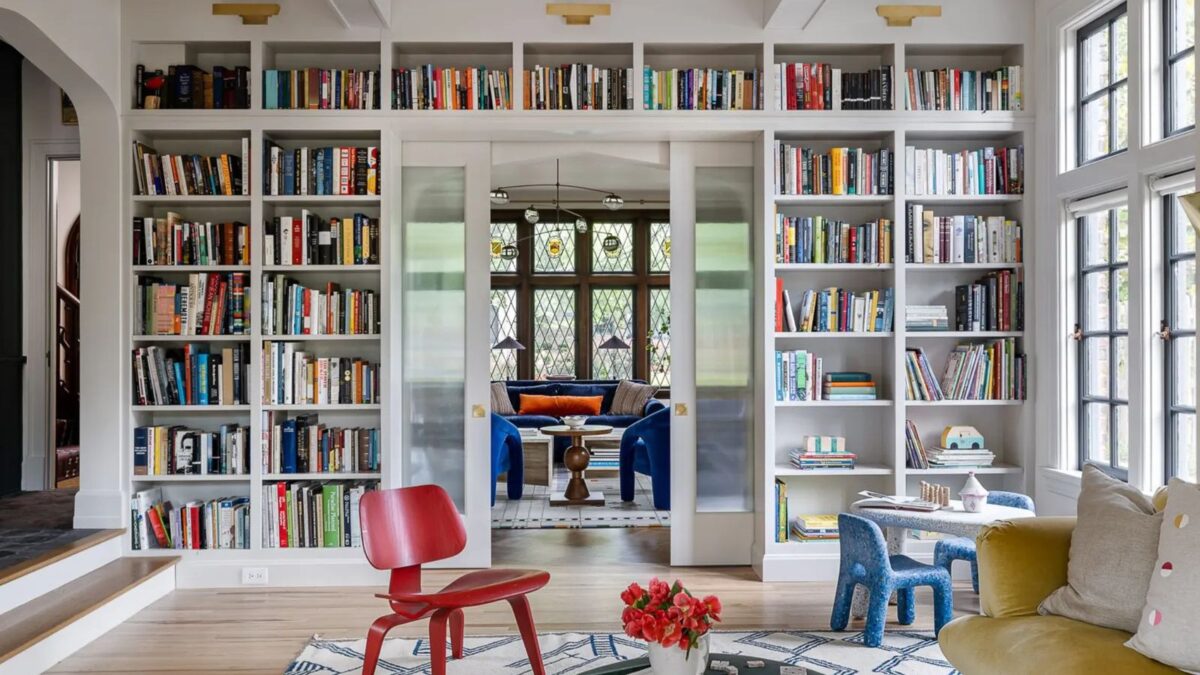
The living room often becomes the busiest space in the home. It may serve as a place for relaxing, watching television, entertaining guests, working, playing, reading, and storing items that belong in other rooms. Without a clear system, clutter can build quickly on coffee tables, sofas, shelves, and floors.
Effective living room storage should control everyday mess without making the room resemble a warehouse. The right solutions combine hidden compartments, accessible baskets, attractive shelving, and furniture that matches the scale of the room.
Homeowners researching functional home improvement solutions should first observe how clutter enters the living room. Shoes, toys, mail, blankets, chargers, books, and remote controls require different storage methods.
Choose a Coffee Table With Storage
A coffee table occupies valuable floor space, so it should provide more than a surface for drinks. Models with drawers can hold chargers, remote controls, coasters, notebooks, and small electronics.
Lift-top coffee tables provide a larger hidden compartment and can also create a temporary work or dining surface. They are especially useful in apartments where there is no room for a separate desk.
Open lower shelves are suitable for books, magazines, and decorative baskets. Use matching containers to prevent the shelf from looking untidy. Each basket can be assigned a category, such as children’s toys, electronics, reading materials, or craft supplies.
Avoid selecting an oversized table for a small living room. Leave enough space for comfortable movement between the sofa, table, and television area.
Add Closed Storage Along One Wall
Open shelves are attractive when carefully styled, but they can make a cluttered room appear busier. Closed cabinets hide mixed objects and create a calmer visual effect.
A low media console with drawers or cupboards can store television equipment, gaming accessories, cables, DVDs, and board games. Choose a design that allows airflow around electronics and includes openings for wires.
Tall cabinets use vertical space efficiently. They can store books, office supplies, toys, table linens, or occasional household items. A combination of open and closed sections creates space for decoration while concealing practical belongings.
Readers searching for organized living room inspiration can consider built-in cabinets if the room has awkward recesses. A fitted unit can use the full width and height of the wall while creating a more integrated appearance.
Paint built-in storage the same color as the wall to make it feel less dominant. Alternatively, use a contrasting finish to turn it into a strong design feature.
Use Baskets for Fast Daily Cleanup
Baskets are helpful because they allow clutter to be collected quickly. A large basket beside the sofa can hold blankets and cushions. Smaller baskets can organize toys, magazines, knitting supplies, or pet accessories.
Choose baskets that suit the room’s style. Woven materials add warmth, fabric bins provide a softer appearance, and structured boxes create a cleaner modern look.
Each basket should have one purpose. When unrelated items are placed together, finding anything becomes difficult and the basket eventually turns into hidden clutter.
A handled basket can work as a portable collection container. During an evening reset, gather objects that belong in other rooms and carry them back in one trip.
Do not place baskets in every empty corner. Too many containers can take up floor space and make the room feel smaller. Select a limited number that solve specific storage problems.
Control Cables and Small Electronics
Chargers, extension cords, headphones, controllers, and streaming devices can create visual clutter even when the rest of the room is organized. Cable management should be included in the storage plan.
Use cable clips to guide wires along the back of furniture. A cable box can conceal a power strip and excess cord length. Label similar chargers so family members can identify them quickly.
Create one drawer or basket for small electronics. Use dividers to separate charging cables, batteries, adapters, remote controls, and instruction booklets.
Practical home organization recommendations should also include a charging station. Keeping devices in one place reduces the number of cables left across sofas and side tables.
Remove outdated or unidentified cables. Test them before discarding, but avoid storing every wire from previously owned electronics.
Turn Empty Corners Into Useful Storage
Living room corners are often left empty because standard cabinets do not fit comfortably. Corner shelves can provide space for books, plants, photographs, or decorative boxes.
A narrow cabinet may fit between a sofa and the wall. This area can store blankets, games, or seasonal decorations while also supporting a lamp.
Floating corner shelves keep the floor clear and create a lighter appearance. They work best for smaller objects and should not be overloaded.
In a family living room, an unused corner can become a controlled toy area. Add a low storage unit that children can access independently. Clear labels or picture labels make cleanup easier.
When storage is designed around the room’s awkward areas, the main walkways remain open and the central space feels less crowded.
Use Storage Behind and Beneath the Sofa
The space beneath a raised sofa may hold slim storage containers. Use this area for items that are not required daily, such as seasonal textiles, spare cushion covers, or occasional games.
A narrow console table behind the sofa can provide drawers, shelves, and a surface for lighting. It is especially useful when the sofa stands away from the wall.
Place baskets beneath the console for larger objects. The table can also create a visual separation between the living area and dining area in an open-plan home.
Sofa arm organizers provide pockets for remote controls, reading glasses, notebooks, or tablets. Choose a simple design that blends with the upholstery.
Storage additions should not interfere with comfort. Avoid placing hard containers where they make sitting or movement difficult.
Create a System for Children’s Toys
Toy storage should be easy for children to understand. Deep boxes may hide clutter, but they can also make it difficult to find specific toys.
Use several smaller containers for categories such as building blocks, vehicles, dolls, puzzles, and art supplies. Picture labels help younger children return items correctly.
Rotate toys instead of keeping everything available. Store part of the collection in another area and exchange it every few weeks. This reduces clutter and can renew children’s interest in familiar items.
A storage bench can provide toy space and additional seating. Check that the lid has safety hinges and cannot close suddenly.
Families exploring household and property ideas can maintain the living room more easily when every family member understands where commonly used items belong.
The best storage solutions do not remove personality from the living room. They create enough structure for books, blankets, toys, technology, and everyday belongings to coexist without taking over the space. Start with the category creating the most visible clutter and build the system gradually.