
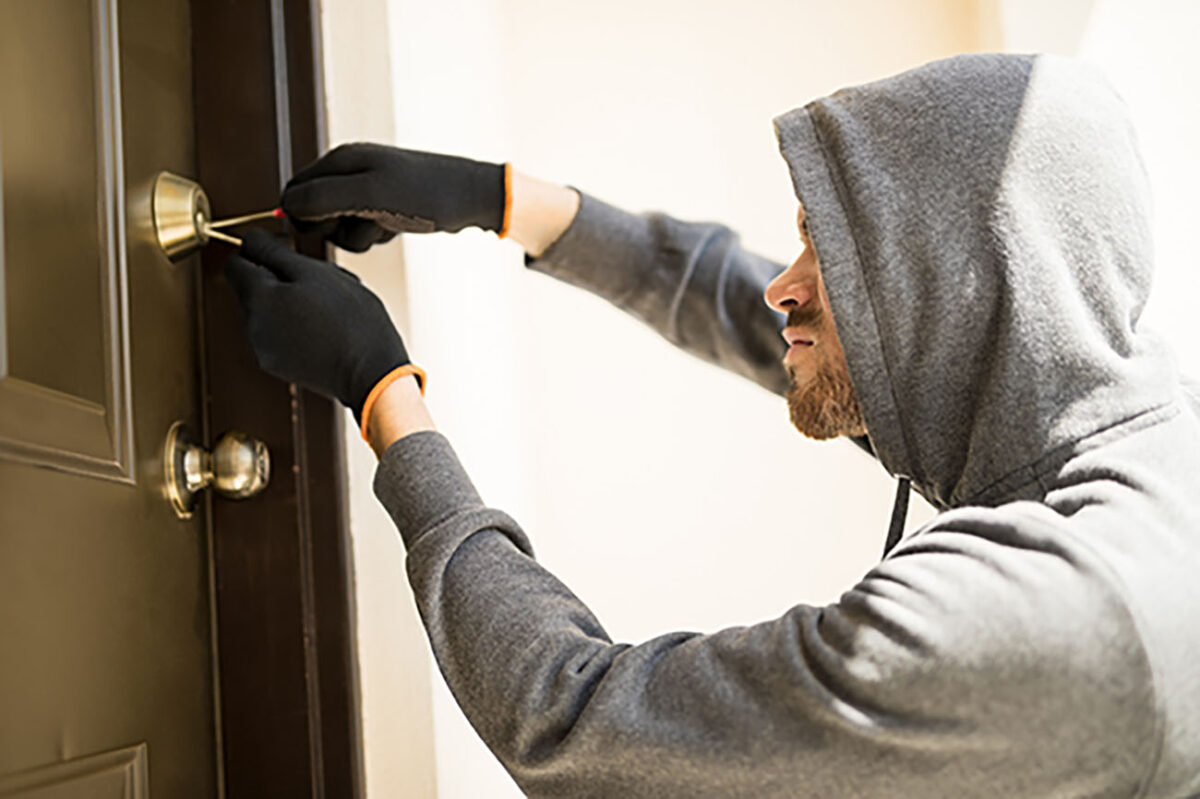
Protecting a home from burglars begins with understanding what makes a property attractive to an intruder. Most burglars prefer easy access, limited visibility, predictable schedules, and homes that appear unoccupied. They generally want to enter and leave quickly without attracting attention.
A strong home protection plan creates several layers of difficulty. Doors should resist forced entry, windows should not open easily from outside, landscaping should provide visibility, and household routines should avoid advertising long absences.
People researching effective residential burglary prevention should begin with a complete inspection of the property. Do not focus only on the front door. Side entrances, garage doors, basement windows, balconies, fences, and backyard gates may provide less visible access.
Reinforce Every Exterior Door
A locked door is not automatically a secure door. Weak frames, small screws, hollow construction, and exposed hinges can make entry easier.
Use solid exterior doors made from metal, fiberglass, or strong wood. Inspect frames for cracks, rot, or loose sections. The door should fit closely without large gaps around the edges.
Install a deadbolt with a long bolt and a reinforced strike plate. Replace short strike-plate screws with longer screws that connect to the structural framing. This small improvement can strengthen the entire locking area.
Sliding doors require additional protection. Place a strong rod or adjustable security bar in the track. Check whether the door can be lifted out of its frame and add anti-lift devices when necessary.
Do not hide spare keys in obvious outdoor locations. Burglars know to check beneath mats, inside decorative objects, near utility boxes, and under flowerpots. Give a spare key to a trusted person or use a secure coded lockbox.
Make Windows Harder to Access
Ground-floor windows and windows hidden from the street deserve careful attention. Keep them locked whenever they are not being used.
Replace damaged locks and repair frames that no longer close properly. Add secondary locks, pins, or track bars to create another obstacle.
Window security film may help hold broken glass together and slow entry. Decorative privacy coverings can prevent outsiders from seeing electronics, valuable items, and room layouts.
Avoid leaving windows open when nobody is home, even on upper floors. A nearby tree, fence, shed, balcony, or ladder may provide access. Store ladders in locked areas rather than leaving them against the house.
Remove Outdoor Hiding Places
Landscaping can improve appearance while unintentionally creating concealment. Tall shrubs near doors and windows may allow someone to work on a lock without being seen.
Trim bushes below window level and keep tree branches above head height where practical. This creates clearer sightlines from the street and neighboring homes.
Lock side gates and repair damaged fencing. Gravel paths can make footsteps more noticeable, while thorny plants beneath certain windows may discourage close access. Plants should not block emergency exits or create hazards for residents.
Homeowners following property security recommendations should inspect landscaping throughout the year. Fast-growing plants can create new blind spots within a few months.
Install Useful Outdoor Lighting
Lighting removes shadows and increases the chance that suspicious activity will be noticed. Focus on entry points, pathways, garages, and narrow side areas.
Motion-activated lights can surprise someone approaching the home, while low-level continuous lighting improves general visibility. Combining both approaches may provide better coverage than relying on one extremely bright fixture.
Mount lights high enough to prevent easy tampering. Position fixtures carefully so they do not shine directly into security cameras or neighboring windows.
Solar lights can improve paths and gates without additional wiring. However, they should receive enough sunlight during the day and should be tested regularly.
Replace failed bulbs quickly. A nonworking security light may signal that maintenance and monitoring are limited.
Avoid Advertising Valuable Items
Burglars may learn about a household by looking through windows, observing packaging, or reviewing public social media posts.
Keep expensive electronics, jewelry, cash, and important documents away from visible windows. Close curtains or blinds in rooms containing valuable equipment, especially after dark.
Break down packaging from televisions, computers, gaming systems, and other expensive purchases before placing it outside. Large branded boxes can show what is available inside the home.
Be cautious when sharing photographs that reveal entrances, security devices, floor plans, or valuable collections. Avoid posting vacation details before or during a trip.
Financial awareness also influences security choices. Homeowners can review budget-conscious household planning before purchasing expensive systems. Strong doors, working locks, lighting, and repaired windows should usually come before decorative gadgets.
Create the Appearance That Someone Is Home
An occupied-looking home is less attractive than a visibly empty property.
Use timers or smart plugs to operate lamps at realistic times. Vary the rooms that are illuminated instead of leaving one light on continuously.
Ask a trusted person to collect packages, mail, and newspapers. Arrange for lawn care, snow removal, or trash-bin movement during longer absences.
Do not leave voicemail messages or public posts announcing that the family is away. Delay vacation photos until after returning.
A trusted neighbor may park in the driveway occasionally. They can also check doors and windows after severe weather or unexpected service visits.
Use Cameras as Part of a Larger Plan
Visible cameras may discourage some intruders and provide evidence after an incident. They are most useful when supported by strong physical security.
Position cameras to capture faces approaching doors, gates, and driveways. A camera mounted too high may record only the top of a person’s head.
Check nighttime image quality and remove branches or decorations that block the view. Review recordings occasionally to confirm the system is functioning.
Protect online camera accounts with unique passwords and two-factor authentication. Update device software and avoid sharing access with unnecessary users.
Door and window sensors can create immediate noise when an entry point opens. Even basic battery-powered alarms may attract attention and cause an intruder to leave.
Protect the Garage
Garages often contain tools, bicycles, vehicles, and doors leading directly into the home. Keep the garage closed whenever it is not actively being used.
Do not leave remote controls inside vehicles parked outdoors. Consider using a keychain remote that remains with you.
Lock the door between the garage and living space. It should have strong hardware and should not be treated like an interior bedroom door.
Cover garage windows or position storage so outsiders cannot see valuable tools. Secure ladders, crowbars, and other equipment that could be used to force entry.
Check detached garages and sheds as carefully as the main house. Use reliable locks and avoid leaving expensive machinery in view.
Build Relationships With Neighbors
Neighbors can recognize unusual vehicles, unfamiliar visitors, open doors, or activity at unexpected times.
Exchange contact information with trustworthy residents nearby. Let them know when legitimate workers or guests are expected during your absence.
Participate in a neighborhood communication group when one is available. Keep reports factual and avoid confronting suspicious individuals. Contact law enforcement when criminal activity or an immediate threat is observed.
Useful community and household safety information can support broader preparation, but local cooperation remains one of the strongest low-cost protections.
Maintain Everyday Security Habits
Many burglaries occur because a door, window, or garage entrance was left unlocked. Create a routine before sleeping or leaving the house.
Check exterior doors, accessible windows, garages, side gates, and sheds. Make sure alarm devices are active and outdoor lights are functioning.
Do not leave keys, wallets, laptops, or valuable bags near visible entryways. Lock vehicles even when they are parked inside the driveway.
Review your home from the street during the day and after dark. Ask whether someone could approach without being seen, identify valuable items, or enter using weak hardware.
Protecting your home from burglars does not require turning it into a fortress. It requires removing easy opportunities and creating enough visible resistance that an intruder chooses to leave. Strong entry points, active neighbors, responsible routines, and good visibility can provide powerful protection.