
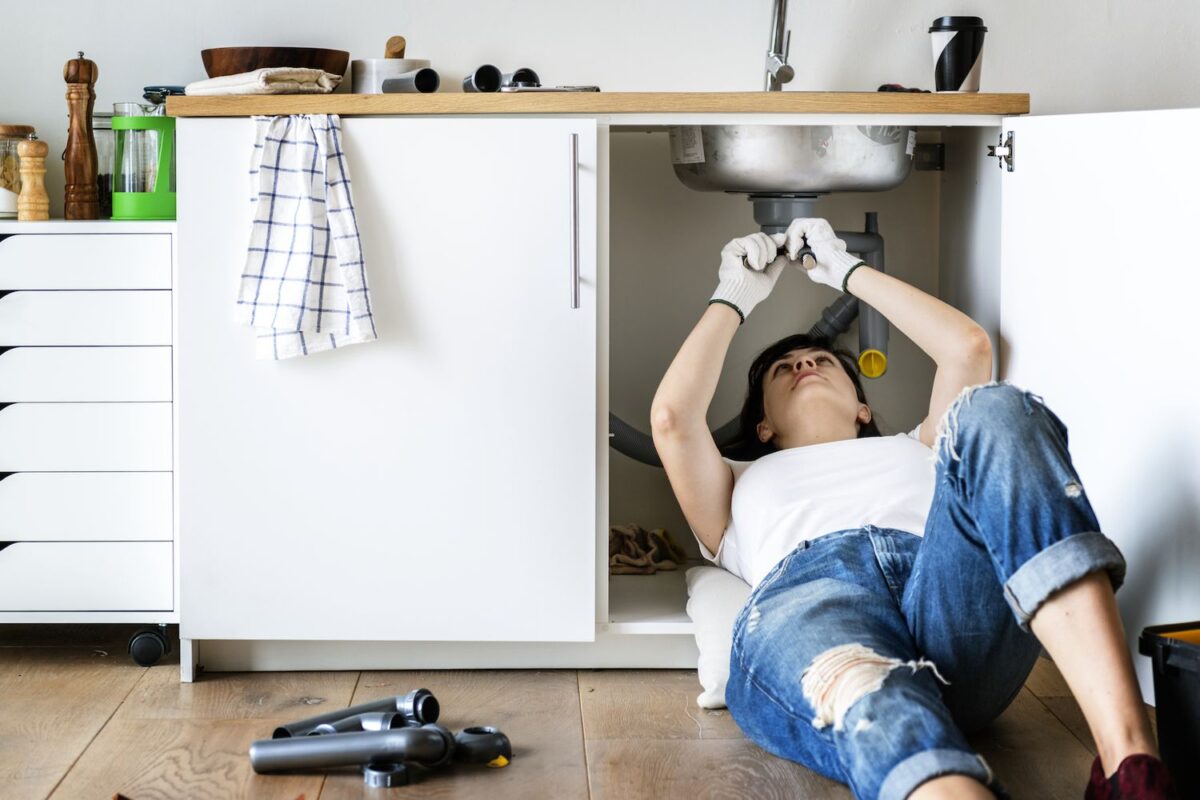
Buying a first home is exciting, but the repair responsibilities can feel overwhelming. Renters often rely on a landlord when a faucet leaks or a door stops closing. Homeowners must decide whether to fix the problem, contact a professional, or monitor it.
The best approach is not learning every trade at once. First-time owners benefit more from developing inspection habits, understanding basic systems, and knowing when a project is unsafe. Good judgment protects both the home and the repair budget.
Learn Where Important Controls Are Located
Start by locating the main water shutoff valve, electrical panel, gas shutoff, heating controls, and outdoor utility connections. Label them clearly when needed.
During a burst pipe, searching for the water valve wastes valuable time. Practice turning it carefully so you know whether it operates smoothly.
Review the electrical panel labels. Circuits should be identified accurately rather than described with unclear notes. Do not remove the panel cover or touch internal components.
Keep emergency phone numbers and utility account details in an accessible location. Household members should know what to do when they smell gas, see smoke, or discover serious water entry.
Build a Basic Tool Kit Slowly
New homeowners often buy large tool collections containing items they may never use. Begin with practical essentials such as screwdrivers, pliers, an adjustable wrench, a claw hammer, measuring tape, level, utility knife, flashlight, drill, safety glasses, and gloves.
Add specialized tools only when a real project requires them. Researching home products within sensible budgets can help prevent overspending on equipment intended for occasional use.
Quality matters most for tools connected to safety, cutting, drilling, or electrical testing. Cheap tools that slip, crack, or provide inaccurate readings can damage the property or cause injury.
Store tools in one dry, organized area. Returning each item after use prevents wasted time during urgent repairs.
Start With Small, Reversible Repairs
Begin with jobs that are unlikely to create major damage if something goes wrong. Tightening a cabinet handle, lubricating a hinge, replacing weatherstripping, filling a nail hole, or adjusting a loose door latch can build confidence.
Avoid choosing an active plumbing leak or electrical fault as your first project. Watching a repair video does not replace hands-on knowledge of hidden pipes, wiring, structural loads, or local requirements.
Before dismantling anything, take clear photographs. These images help you remember the original position of screws, brackets, wires, and fittings.
Place removed parts in a small container and label them. Losing one unusual screw can delay an otherwise simple repair.
Do Not Ignore Water
Water creates some of the most expensive household damage. Investigate stains, musty smells, dripping sounds, soft flooring, swollen cabinets, and peeling paint promptly.
Inspect under sinks every month during the first year of ownership. Check the water heater, washing machine connections, toilet bases, shower edges, and basement walls.
A small amount of water near a fixture may travel from another location. Dry the area, observe where moisture returns, and avoid assuming the closest pipe is responsible.
Shut off the water before loosening plumbing connections. Keep a bucket, towels, and flashlight nearby.
Wear Suitable Clothing for Repairs
Repair clothing should allow movement and protect the skin. Loose sleeves, scarves, and hanging drawstrings can become caught in tools.
Trousers with practical storage, such as durable women’s utility cargo pants, can hold pencils and small hand tools while leaving both hands free. Avoid overloading pockets with sharp objects.
Remove rings, watches, necklaces, and earrings before using drills, saws, ladders, or moving equipment. Statement accessories such as chunky earrings in gold are better stored safely until the job is complete.
Wear footwear suited to the surface. Comfortable ultra-distance running shoes may be useful for property inspections and outdoor walking, but heavy repairs may require protective work footwear instead.
Create a Repair Priority System
Not every defect needs immediate attention. Divide problems into emergency, urgent, and routine categories.
Emergencies include active flooding, gas smells, electrical burning, structural movement, fire, and loss of heat during dangerous weather. These situations often require shutting down a system and contacting qualified help.
Urgent problems may include small roof leaks, loose railings, failing exterior seals, or plumbing drips. They may not threaten the home immediately, but delaying them can increase damage.
Routine work includes cosmetic paint repairs, squeaky hinges, minor trim damage, and organization improvements.
This system prevents visual imperfections from receiving attention while serious hidden problems remain unresolved.
Read Product Instructions Fully
Many repair mistakes happen because homeowners rely on general assumptions instead of reading the specific instructions. Fillers, sealants, adhesives, paints, and fasteners are designed for particular surfaces and conditions.
Check whether a product is suitable for indoor or outdoor use. Review temperature limits, drying time, ventilation needs, preparation requirements, and cleanup instructions.
Do not mix products unless the manufacturer specifically allows it. Combining cleaners or chemicals can create dangerous reactions.
Keep original labels until the project is complete. Store leftover products safely and record the room or surface where they were used.
Measure Before Purchasing Materials
Measure every opening, wall, fixture, and replacement part more than once. Write the measurements down rather than relying on memory.
Take the old component to the store when practical. Plumbing fittings, screws, filters, bulbs, and hardware can appear similar while having different sizes or specifications.
Purchase a small amount of extra material for flooring, tile, and paint. Future matching may be difficult if the product is discontinued or colors vary between batches.
However, avoid excessive buying. Unused materials consume storage space and may expire before another project begins.
Understand the Limits of Do-It-Yourself Work
A repair is not a good do-it-yourself project simply because the tools are available. Electrical panel work, gas repairs, major roofing, structural alterations, and complicated plumbing often require professional knowledge.
Consider the consequences of failure. A poorly painted wall can be corrected. An incorrectly repaired gas line or structural support can place the household at serious risk.
Insurance policies, warranties, building rules, and local regulations may also affect who can complete particular work.
Hiring a professional is not a failure. It is often the most responsible repair decision.
Keep a Home Maintenance Record
Create a digital or physical file containing inspection reports, manuals, receipts, warranties, paint details, contractor information, and repair dates.
Record the location of hidden pipes or wires discovered during work. Save photographs taken before walls or floors are closed.
Track recurring problems. A drain that blocks every few months or a crack that repeatedly returns may need more than another temporary repair.
Maintenance records also help future contractors understand the property and can provide useful information during a sale.
Set Aside a Repair Fund
Home repairs rarely happen at convenient times. A separate maintenance fund reduces the pressure to delay important work or rely on expensive emergency borrowing.
Contribute regularly, even when the home appears to be in good condition. Roofs, appliances, plumbing fixtures, and heating systems all have limited service lives.
Review likely replacement costs and approximate ages of major systems. Planning does not eliminate surprise repairs, but it makes them easier to manage.
First-time homeowners do not need to become builders, plumbers, and electricians. They need to stay observant, learn from small projects, keep reliable records, and respect the boundary between routine maintenance and professional work.