
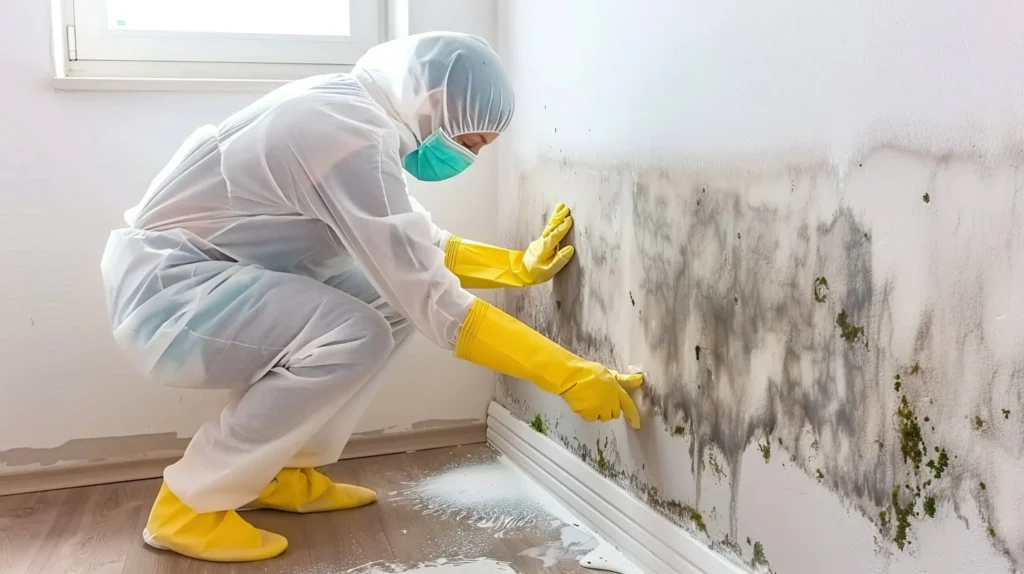
Water damage can affect a property in many ways beyond visible stains and soaked materials. Whether caused by burst pipes, roof leaks, storms, or appliance failures, excess moisture creates the ideal environment for mold to develop. In many cases, mold begins growing within a short period after water exposure, making fast and effective restoration essential. This is why professional water damage restoration companies play such an important role in protecting homes and businesses from long-term moisture-related problems.
Their expertise extends beyond removing standing water. They focus on identifying hidden moisture, drying affected areas thoroughly, and restoring safe indoor conditions before mold has the opportunity to spread.
Why Does Mold Develop After Water Damage?
Mold spores naturally exist in indoor and outdoor environments. Under normal conditions, they remain inactive and harmless. However, when water enters a building and moisture remains trapped in walls, ceilings, flooring, or insulation, these spores begin multiplying rapidly.
Even areas that appear dry on the surface may still contain moisture deep within construction materials. Without proper drying, mold colonies can expand unnoticed, eventually causing unpleasant odors, material deterioration, and indoor air quality concerns.
Rapid Water Removal Limits Moisture Exposure
One of the first priorities for restoration professionals is removing standing water as quickly as possible. Specialized extraction equipment removes large amounts of water far more efficiently than household tools.
The sooner excess water is removed, the less opportunity moisture has to penetrate deeper into structural materials. Fast extraction also reduces the amount of time surfaces remain damp, significantly lowering the risk of mold development. Professional restoration teams understand that every hour matters after water damage occurs.
Advanced Drying Prevents Hidden Moisture
Visible water is only one part of the problem. Moisture often remains trapped behind drywall, beneath flooring, inside insulation, and within wooden framing.
Professional water damage restoration companies use industrial air movers, commercial dehumidifiers, and moisture detection equipment to eliminate water that cannot be seen with the naked eye.
Instead of drying only exposed surfaces, they focus on restoring appropriate moisture levels throughout the entire affected structure. This comprehensive approach helps prevent conditions that encourage mold growth weeks after the initial incident.
Moisture Detection Technology Improves Accuracy
Successful restoration depends on identifying every affected area. Modern restoration professionals rely on advanced tools such as moisture meters, thermal imaging cameras, and humidity monitoring equipment to locate hidden water pockets.
These technologies help technicians detect moisture behind finished walls, under flooring, and inside ceilings without unnecessary demolition. By identifying hidden damp areas early, they can address moisture before mold has a chance to establish itself.
Accurate inspections also ensure that restoration efforts cover the full extent of the damage rather than only the obvious problem areas.
Removing Damaged Materials When Necessary
Some building materials cannot be completely restored after prolonged water exposure. Drywall, insulation, carpeting, ceiling tiles, and other porous materials may retain excessive moisture even after drying attempts. When this occurs, restoration professionals determine whether removal and replacement provide the safest long-term solution.
Removing severely damaged materials eliminates environments where mold could continue developing out of sight while protecting the integrity of the surrounding structure.
Controlling Indoor Humidity
Even after water extraction and drying, humidity levels remain an important factor. Restoration specialists monitor indoor humidity throughout the drying process to ensure moisture levels return to acceptable ranges. Industrial dehumidifiers remove excess water vapor from the air, preventing condensation from forming on building surfaces.
Maintaining balanced humidity creates an environment where mold finds it much more difficult to grow.
Cleaning And Sanitizing Affected Areas
Water damage often introduces contaminants depending on the source of the water. Professional cleaning helps restore healthy indoor conditions after drying is complete.
Restoration teams clean surfaces, remove residue, and apply appropriate antimicrobial treatments where needed. These measures help reduce microbial activity while supporting a cleaner indoor environment during the recovery process. Combined with thorough drying, proper cleaning contributes to a more complete restoration.
Restoring Properties With Long-Term Protection In Mind
Professional restoration involves more than responding to an emergency. Experienced technicians evaluate the property to identify conditions that may contribute to future water problems.
This may include locating plumbing leaks, identifying poor drainage, inspecting roofing issues, or recommending improvements to ventilation. Addressing these underlying concerns reduces the likelihood of recurring moisture problems that can eventually lead to mold.
Preventive recommendations allow property owners to protect their investment long after restoration work has been completed.
Conclusion
Water damage should never be viewed as a temporary inconvenience. Moisture left behind may provide excellent conditions for mold development, affecting both the structure and the interior atmosphere. Professional water damage restoration companies provide the expertise, specialized equipment, and systematic approach needed to remove water, eliminate hidden moisture, control humidity, and restore damaged areas thoroughly.
By responding quickly and addressing moisture at its source, restoration professionals help prevent mold before it becomes a much larger and more expensive problem. Their work not only restores damaged properties but also helps create healthier, safer spaces for homeowners and businesses for years to come.