Categories
Home

Preventing Mold After Water Damage With Professional Restoration Services

Water damage can affect a property in many ways beyond visible stains and soaked materials. Whether caused by burst pipes, roof leaks, storms, or appliance failures, excess moisture creates the ideal environment for mold to develop. In many cases, mold begins growing within a short period after water exposure, making fast and effective restoration essential. This is why professional water damage restoration companies play such an important role in protecting homes and businesses from long-term moisture-related problems.

Their expertise extends beyond removing standing water. They focus on identifying hidden moisture, drying affected areas thoroughly, and restoring safe indoor conditions before mold has the opportunity to spread.

Why Does Mold Develop After Water Damage?

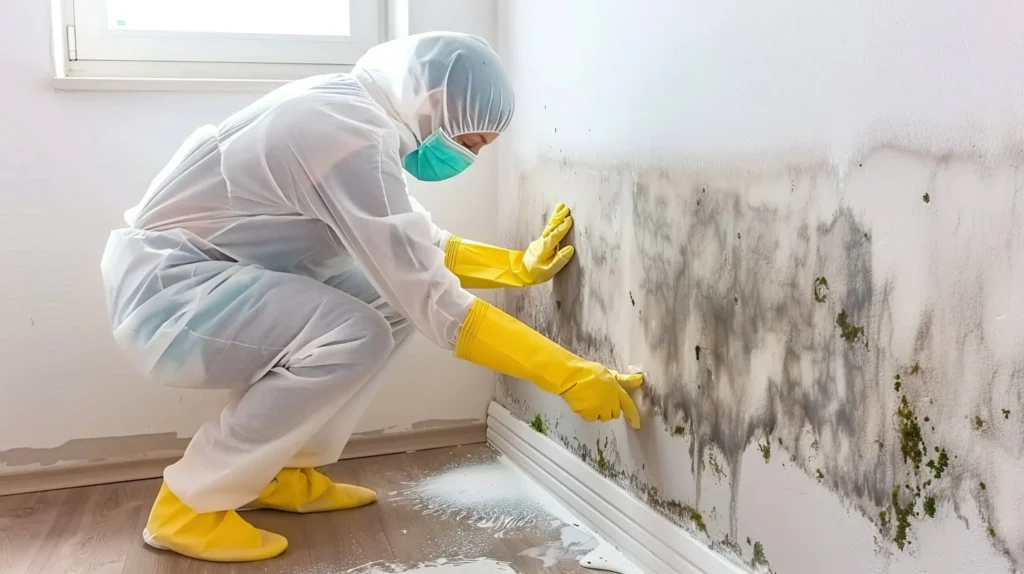
Mold spores naturally exist in indoor and outdoor environments. Under normal conditions, they remain inactive and harmless. However, when water enters a building and moisture remains trapped in walls, ceilings, flooring, or insulation, these spores begin multiplying rapidly.

Even areas that appear dry on the surface may still contain moisture deep within construction materials. Without proper drying, mold colonies can expand unnoticed, eventually causing unpleasant odors, material deterioration, and indoor air quality concerns.

Rapid Water Removal Limits Moisture Exposure

One of the first priorities for restoration professionals is removing standing water as quickly as possible. Specialized extraction equipment removes large amounts of water far more efficiently than household tools.

The sooner excess water is removed, the less opportunity moisture has to penetrate deeper into structural materials. Fast extraction also reduces the amount of time surfaces remain damp, significantly lowering the risk of mold development. Professional restoration teams understand that every hour matters after water damage occurs.

Advanced Drying Prevents Hidden Moisture

Visible water is only one part of the problem. Moisture often remains trapped behind drywall, beneath flooring, inside insulation, and within wooden framing.

Professional water damage restoration companies use industrial air movers, commercial dehumidifiers, and moisture detection equipment to eliminate water that cannot be seen with the naked eye.

Instead of drying only exposed surfaces, they focus on restoring appropriate moisture levels throughout the entire affected structure. This comprehensive approach helps prevent conditions that encourage mold growth weeks after the initial incident.

Moisture Detection Technology Improves Accuracy

Successful restoration depends on identifying every affected area. Modern restoration professionals rely on advanced tools such as moisture meters, thermal imaging cameras, and humidity monitoring equipment to locate hidden water pockets.

These technologies help technicians detect moisture behind finished walls, under flooring, and inside ceilings without unnecessary demolition. By identifying hidden damp areas early, they can address moisture before mold has a chance to establish itself.

Accurate inspections also ensure that restoration efforts cover the full extent of the damage rather than only the obvious problem areas.

Removing Damaged Materials When Necessary

Some building materials cannot be completely restored after prolonged water exposure. Drywall, insulation, carpeting, ceiling tiles, and other porous materials may retain excessive moisture even after drying attempts. When this occurs, restoration professionals determine whether removal and replacement provide the safest long-term solution.

Removing severely damaged materials eliminates environments where mold could continue developing out of sight while protecting the integrity of the surrounding structure.

Controlling Indoor Humidity

Even after water extraction and drying, humidity levels remain an important factor. Restoration specialists monitor indoor humidity throughout the drying process to ensure moisture levels return to acceptable ranges. Industrial dehumidifiers remove excess water vapor from the air, preventing condensation from forming on building surfaces.

Maintaining balanced humidity creates an environment where mold finds it much more difficult to grow.

Cleaning And Sanitizing Affected Areas

Water damage often introduces contaminants depending on the source of the water. Professional cleaning helps restore healthy indoor conditions after drying is complete.

Restoration teams clean surfaces, remove residue, and apply appropriate antimicrobial treatments where needed. These measures help reduce microbial activity while supporting a cleaner indoor environment during the recovery process. Combined with thorough drying, proper cleaning contributes to a more complete restoration.

Restoring Properties With Long-Term Protection In Mind

Professional restoration involves more than responding to an emergency. Experienced technicians evaluate the property to identify conditions that may contribute to future water problems.

This may include locating plumbing leaks, identifying poor drainage, inspecting roofing issues, or recommending improvements to ventilation. Addressing these underlying concerns reduces the likelihood of recurring moisture problems that can eventually lead to mold.

Preventive recommendations allow property owners to protect their investment long after restoration work has been completed.

Conclusion

Water damage should never be viewed as a temporary inconvenience. Moisture left behind may provide excellent conditions for mold development, affecting both the structure and the interior atmosphere. Professional water damage restoration companies provide the expertise, specialized equipment, and systematic approach needed to remove water, eliminate hidden moisture, control humidity, and restore damaged areas thoroughly.

By responding quickly and addressing moisture at its source, restoration professionals help prevent mold before it becomes a much larger and more expensive problem. Their work not only restores damaged properties but also helps create healthier, safer spaces for homeowners and businesses for years to come.

Categories
Home

Home Features That Add Daily Convenience Without Major Renovations

A comfortable home is not always the result of expensive remodeling projects or complete makeovers. In many cases, the features that make everyday life easier are simple additions that improve functionality, organization, and comfort. Small upgrades often save time, reduce stress, and create a more enjoyable living environment without requiring walls to be removed or rooms to be rebuilt. Homeowners today are increasingly choosing practical improvements that deliver immediate benefits while keeping costs under control. Thoughtful enhancements can transform daily routines without the disruption of a major renovation. Recent home improvement trends also show growing interest in affordable upgrades that prioritize convenience, better storage, smarter lighting, and flexible living spaces over large scale construction. 

Smarter Entryways Create Better First Impressions

The entrance to a home is one of the busiest areas, yet it is often overlooked. Adding a storage bench, wall hooks, or a compact cabinet provides a designated place for shoes, bags, and keys. These simple additions reduce clutter and make it easier to leave the house on time.

Many homeowners also include decorative trays or baskets for organizing daily essentials. Similar to how the Bhumi Jankari Portal keeps important land records organized in one place, a well planned entryway helps every household member know exactly where everyday items belong.

Better Lighting Improves Everyday Living

Lighting has a significant impact on both comfort and productivity. Replacing outdated fixtures with brighter LED lighting or installing motion sensor lights in hallways, closets, or staircases creates a safer and more convenient home.

Layered lighting that combines ceiling fixtures, table lamps, and task lighting allows homeowners to adapt each room to different activities. Good lighting also makes spaces appear larger and more welcoming without changing the room itself. Even simple lighting upgrades can dramatically improve the feel of a home with minimal effort.

Organized Storage Makes Daily Tasks Easier

One of the most practical improvements any homeowner can make is increasing storage efficiency. Drawer organizers, pull out shelves, under bed storage containers, and adjustable closet systems maximize existing space without requiring structural changes.

An organized home reduces the time spent searching for everyday items and keeps living spaces cleaner. Whether storing kitchen supplies, seasonal decorations, or office materials, efficient storage solutions contribute to a smoother daily routine.

The same principle applies when people Visit Punjab State Lottery or access other online platforms where organized information improves user experience. A home benefits from the same level of thoughtful organization.

Smart Technology Adds Everyday Convenience

Modern smart home devices are more affordable than ever. Smart thermostats, video doorbells, programmable plugs, voice assistants, and automated lighting systems simplify daily living while improving energy efficiency.

These devices allow homeowners to control appliances remotely, monitor home security, and automate repetitive tasks. Many upgrades can be installed without rewiring the entire home, making them excellent alternatives to costly renovations.

Technology continues to make homes more adaptable while helping families save both time and energy throughout the day.

Functional Kitchen Accessories Save Time

A kitchen does not always need new cabinets or countertops to become more efficient. Small additions like pull out pantry organizers, magnetic knife holders, drawer dividers, and under cabinet lighting can greatly improve meal preparation.

Replacing cabinet handles or installing soft close hinges also enhances daily use without replacing the cabinetry itself. These affordable improvements create a more pleasant cooking experience while extending the life of existing kitchen features.

Comfortable Workspaces Support Modern Lifestyles

With more people working or studying from home, creating a functional workspace has become increasingly important. A supportive chair, adjustable desk, proper lighting, and cable management accessories improve comfort and productivity without requiring a dedicated office renovation.

Maintaining an organized workspace encourages better concentration and reduces distractions. Much like hp manav sampada helps streamline employee management processes, an organized home office improves efficiency throughout the day.

Small Bathroom Upgrades Make a Big Difference

Bathrooms often benefit from inexpensive improvements such as better shelving, towel hooks, mirror lighting, and space saving organizers. Replacing an old showerhead with a water efficient model can improve comfort while reducing water consumption.

Adding storage above the toilet or installing floating shelves creates additional space without affecting the room’s layout. These small enhancements make daily routines more convenient while keeping the bathroom tidy.

Outdoor Spaces Can Be More Functional

Simple outdoor improvements also increase everyday enjoyment. Weather resistant seating, solar pathway lights, raised garden beds, and organized storage boxes create inviting outdoor areas without major landscaping projects.

Maintaining outdoor spaces becomes easier when practical features are added gradually. Even compact patios or balconies can become relaxing extensions of the home.

Many homeowners also rely on digital resources like kaverionline to simplify administrative tasks, reflecting the broader trend toward practical solutions that save time both inside and outside the home.

Simple Maintenance Prevents Bigger Problems

Convenience is not only about adding new features but also about maintaining existing ones. Regularly checking plumbing fixtures, cleaning air filters, servicing appliances, and sealing windows improves comfort while preventing costly repairs.

Helpful online resources, including https://bandhkamkamgar.org, demonstrate how digital platforms continue making everyday responsibilities more accessible, just as routine home maintenance keeps household systems operating efficiently.

Conclusion

The most valuable home improvements are often the ones that quietly simplify daily life. Better lighting, organized storage, smart technology, efficient kitchens, functional workspaces, and practical maintenance routines all contribute to a more comfortable living environment without requiring expensive renovations. By focusing on thoughtful, affordable upgrades, homeowners can enjoy greater convenience, improved organization, and lasting comfort while preserving both their budget and the character of their home.

Categories
Home

Best Home Repair Tips for First Time Owners

Buying a first home is exciting, but the repair responsibilities can feel overwhelming. Renters often rely on a landlord when a faucet leaks or a door stops closing. Homeowners must decide whether to fix the problem, contact a professional, or monitor it.

The best approach is not learning every trade at once. First-time owners benefit more from developing inspection habits, understanding basic systems, and knowing when a project is unsafe. Good judgment protects both the home and the repair budget.

Learn Where Important Controls Are Located

Start by locating the main water shutoff valve, electrical panel, gas shutoff, heating controls, and outdoor utility connections. Label them clearly when needed.

During a burst pipe, searching for the water valve wastes valuable time. Practice turning it carefully so you know whether it operates smoothly.

Review the electrical panel labels. Circuits should be identified accurately rather than described with unclear notes. Do not remove the panel cover or touch internal components.

Keep emergency phone numbers and utility account details in an accessible location. Household members should know what to do when they smell gas, see smoke, or discover serious water entry.

Build a Basic Tool Kit Slowly

New homeowners often buy large tool collections containing items they may never use. Begin with practical essentials such as screwdrivers, pliers, an adjustable wrench, a claw hammer, measuring tape, level, utility knife, flashlight, drill, safety glasses, and gloves.

Add specialized tools only when a real project requires them. Researching home products within sensible budgets can help prevent overspending on equipment intended for occasional use.

Quality matters most for tools connected to safety, cutting, drilling, or electrical testing. Cheap tools that slip, crack, or provide inaccurate readings can damage the property or cause injury.

Store tools in one dry, organized area. Returning each item after use prevents wasted time during urgent repairs.

Start With Small, Reversible Repairs

Begin with jobs that are unlikely to create major damage if something goes wrong. Tightening a cabinet handle, lubricating a hinge, replacing weatherstripping, filling a nail hole, or adjusting a loose door latch can build confidence.

Avoid choosing an active plumbing leak or electrical fault as your first project. Watching a repair video does not replace hands-on knowledge of hidden pipes, wiring, structural loads, or local requirements.

Before dismantling anything, take clear photographs. These images help you remember the original position of screws, brackets, wires, and fittings.

Place removed parts in a small container and label them. Losing one unusual screw can delay an otherwise simple repair.

Do Not Ignore Water

Water creates some of the most expensive household damage. Investigate stains, musty smells, dripping sounds, soft flooring, swollen cabinets, and peeling paint promptly.

Inspect under sinks every month during the first year of ownership. Check the water heater, washing machine connections, toilet bases, shower edges, and basement walls.

A small amount of water near a fixture may travel from another location. Dry the area, observe where moisture returns, and avoid assuming the closest pipe is responsible.

Shut off the water before loosening plumbing connections. Keep a bucket, towels, and flashlight nearby.

Wear Suitable Clothing for Repairs

Repair clothing should allow movement and protect the skin. Loose sleeves, scarves, and hanging drawstrings can become caught in tools.

Trousers with practical storage, such as durable women’s utility cargo pants, can hold pencils and small hand tools while leaving both hands free. Avoid overloading pockets with sharp objects.

Remove rings, watches, necklaces, and earrings before using drills, saws, ladders, or moving equipment. Statement accessories such as chunky earrings in gold are better stored safely until the job is complete.

Wear footwear suited to the surface. Comfortable ultra-distance running shoes may be useful for property inspections and outdoor walking, but heavy repairs may require protective work footwear instead.

Create a Repair Priority System

Not every defect needs immediate attention. Divide problems into emergency, urgent, and routine categories.

Emergencies include active flooding, gas smells, electrical burning, structural movement, fire, and loss of heat during dangerous weather. These situations often require shutting down a system and contacting qualified help.

Urgent problems may include small roof leaks, loose railings, failing exterior seals, or plumbing drips. They may not threaten the home immediately, but delaying them can increase damage.

Routine work includes cosmetic paint repairs, squeaky hinges, minor trim damage, and organization improvements.

This system prevents visual imperfections from receiving attention while serious hidden problems remain unresolved.

Read Product Instructions Fully

Many repair mistakes happen because homeowners rely on general assumptions instead of reading the specific instructions. Fillers, sealants, adhesives, paints, and fasteners are designed for particular surfaces and conditions.

Check whether a product is suitable for indoor or outdoor use. Review temperature limits, drying time, ventilation needs, preparation requirements, and cleanup instructions.

Do not mix products unless the manufacturer specifically allows it. Combining cleaners or chemicals can create dangerous reactions.

Keep original labels until the project is complete. Store leftover products safely and record the room or surface where they were used.

Measure Before Purchasing Materials

Measure every opening, wall, fixture, and replacement part more than once. Write the measurements down rather than relying on memory.

Take the old component to the store when practical. Plumbing fittings, screws, filters, bulbs, and hardware can appear similar while having different sizes or specifications.

Purchase a small amount of extra material for flooring, tile, and paint. Future matching may be difficult if the product is discontinued or colors vary between batches.

However, avoid excessive buying. Unused materials consume storage space and may expire before another project begins.

Understand the Limits of Do-It-Yourself Work

A repair is not a good do-it-yourself project simply because the tools are available. Electrical panel work, gas repairs, major roofing, structural alterations, and complicated plumbing often require professional knowledge.

Consider the consequences of failure. A poorly painted wall can be corrected. An incorrectly repaired gas line or structural support can place the household at serious risk.

Insurance policies, warranties, building rules, and local regulations may also affect who can complete particular work.

Hiring a professional is not a failure. It is often the most responsible repair decision.

Keep a Home Maintenance Record

Create a digital or physical file containing inspection reports, manuals, receipts, warranties, paint details, contractor information, and repair dates.

Record the location of hidden pipes or wires discovered during work. Save photographs taken before walls or floors are closed.

Track recurring problems. A drain that blocks every few months or a crack that repeatedly returns may need more than another temporary repair.

Maintenance records also help future contractors understand the property and can provide useful information during a sale.

Set Aside a Repair Fund

Home repairs rarely happen at convenient times. A separate maintenance fund reduces the pressure to delay important work or rely on expensive emergency borrowing.

Contribute regularly, even when the home appears to be in good condition. Roofs, appliances, plumbing fixtures, and heating systems all have limited service lives.

Review likely replacement costs and approximate ages of major systems. Planning does not eliminate surprise repairs, but it makes them easier to manage.

First-time homeowners do not need to become builders, plumbers, and electricians. They need to stay observant, learn from small projects, keep reliable records, and respect the boundary between routine maintenance and professional work.

Categories
Home

How to Stop a Leaking Faucet Quickly

A leaking faucet creates an irritating sound, stains sinks, wastes water, and can increase household utility costs. Fortunately, many faucet leaks come from small internal components that can be replaced without changing the entire fixture.

The correct repair depends on the faucet type and the exact location of the leak. Water dripping from the spout usually indicates an internal valve problem. Water leaking around the handle may come from an O-ring, packing nut, or cartridge seal. Moisture underneath the sink may be caused by supply lines, fittings, or the faucet body.

Before taking anything apart, identify the source and prepare the work area.

Confirm Where the Water Is Coming From

Dry the faucet, sink, countertop, cabinet, and supply connections. Turn the faucet on and watch each area carefully.

A drip from the spout after the handle is closed normally points to a worn washer, cartridge, ceramic disc, valve seat, or internal seal.

Water around the base may come from a damaged gasket or loose mounting hardware. Leakage near the handle can indicate worn O-rings or a loose packing nut.

Check underneath the sink while the faucet is running. Tight spaces can hide water traveling along supply tubes before it drops onto the cabinet floor.

Place dry paper towels around connections. Even a small leak will leave a visible wet mark and help identify the source.

Turn Off the Water Supply

Look beneath the sink for hot- and cold-water shutoff valves. Turn both valves clockwise until closed. Do not force a valve that is severely corroded or stuck.

Open the faucet to release remaining pressure and confirm that the water has stopped. If shutoff valves do not work, close the home’s main water supply before continuing.

Cover the drain with a stopper or cloth. Faucet screws, clips, springs, and washers are small enough to disappear into the drain.

Place the removed components in order on a towel. Taking a photo after each step can make reassembly easier.

Identify the Faucet Type

Most household faucets fall into four general categories: compression, cartridge, ball, and ceramic-disc.

Compression faucets usually have separate hot and cold handles. They control water by pressing a rubber washer against a valve seat.

Cartridge faucets may have one or two handles. A removable cartridge regulates flow and temperature.

Ball faucets usually have one handle attached to a rounded cap. They contain several small seals, springs, and a rotating ball.

Ceramic-disc faucets often have one lever and use durable ceramic plates inside a cylinder.

Knowing the type prevents you from purchasing incorrect replacement parts.

Repair a Compression Faucet

Remove the decorative cap from the leaking handle and unscrew the handle. Use the correct tool to remove the packing nut without damaging its surface.

Lift out the stem assembly. A rubber washer is usually attached to the bottom with a small screw. Replace the washer with one of the same shape and size.

Inspect the O-ring around the stem. Replace it if it is flattened, cracked, or loose. Apply only a small amount of plumber-approved grease when recommended for the component.

Check the valve seat inside the faucet body. A damaged or heavily corroded seat may continue cutting into new washers. Some seats can be removed with a seat wrench, while others require professional repair.

Reassemble the faucet and tighten components firmly without excessive force.

Replace a Faucet Cartridge

Remove the handle screw and lift off the handle. Depending on the model, you may need to remove a retaining nut, decorative sleeve, or metal clip.

Note the cartridge’s orientation before pulling it out. Installing the replacement backward can reverse hot and cold controls or prevent proper operation.

Mineral buildup may make the cartridge difficult to remove. A manufacturer-compatible cartridge puller can help. Avoid twisting the faucet body or nearby pipes.

Take the old cartridge to a plumbing supplier or hardware store for accurate matching. Similar-looking cartridges are not always interchangeable.

Clean the interior of loose debris, install the new cartridge in the correct position, and replace the retaining parts.

Repair a Ball Faucet

Ball faucets contain multiple small pieces, making them more complex than compression faucets.

Remove the handle and cap. Lift out the ball and inspect it for wear or mineral buildup. Below the ball, small rubber seats and springs control the water supply.

A repair kit designed for the exact faucet model is usually the easiest option. Replace the seats, springs, O-rings, and other worn components included in the kit.

Do not scratch the inside of the faucet body. Damage to the sealing surface can cause continued leakage.

Reassemble the parts in the correct order. Tightening the cap too much may make the handle difficult to operate.

Service a Ceramic-Disc Faucet

Remove the handle and decorative cap to access the ceramic cylinder. Unscrew the retaining hardware and lift the cylinder from the faucet.

Inspect the seals at the bottom. Mineral deposits or damaged seals can prevent the ceramic plates from closing completely.

Clean accessible openings with white vinegar and a soft brush. Replace damaged seals or the entire cylinder when necessary.

Ceramic components are durable but can crack if handled roughly. Reinstall the cylinder in the same position and tighten screws evenly.

Open the water supply slowly after completing the repair. A sudden burst of water can place unnecessary stress on internal components.

Fix Leaks Around the Faucet Base

Water around the base may not be coming from the valve. It may be caused by splashing, a loose faucet, failed gasket, damaged sealant, or water traveling from the handle.

Inspect mounting nuts underneath the sink. Tighten loose hardware carefully while another person holds the faucet in alignment.

If the base gasket has failed, remove the faucet and replace the gasket according to the manufacturer’s instructions. Clean old residue before reinstalling the fixture.

Some faucet bases use plumber’s putty or approved sealant, while others rely on a rubber gasket. Follow the fixture instructions instead of adding sealant automatically.

Inspect Supply-Line Connections

Leaks below the sink often develop where supply lines attach to shutoff valves or faucet tails.

Tighten compression nuts slightly with two wrenches, using one to hold the valve steady. This prevents torque from damaging the pipe inside the wall.

Replace supply lines that show corrosion, cracks, bulging, fraying, or damaged fittings. Do not reuse a line that has been sharply bent or stressed.

Thread-sealing tape is not appropriate for every type of connection. Compression fittings and connections with rubber washers usually seal through their own components.

If a shutoff valve leaks around its stem, gentle tightening of the packing nut may help. Replace the valve when leakage continues.

Turn the Water Back On Slowly

Close the faucet handles before reopening the shutoff valves. Open each valve gradually and watch all repaired areas.

Run both hot and cold water. Check the spout, handle, base, supply lines, and cabinet floor. Dry everything and inspect again after several minutes.

Remove the aerator and flush the faucet briefly when debris may have entered during the repair. Reinstall the aerator after the water runs clear.

A few drops left inside the spout may fall after shutoff. Continuous dripping indicates that the repair has not fully corrected the sealing problem.

Deciding Whether to Repair or Replace

Repair is usually worthwhile when the faucet body is in good condition and replacement parts are available. Replacement may be more practical when the fixture is badly corroded, repeatedly leaks, has cracked components, or uses discontinued parts.

Home-service contractors often build customer awareness through local plumbing publicity and neighborhood-focused marketing. Some companies use plumbing company ranking services to appear when homeowners search for urgent repairs.

Contractors may follow small plumbing business guidance to improve estimates and customer service. They may also consider backlink packages for service businesses when promoting their websites. These marketing efforts can help customers discover companies, but homeowners should still verify technical qualifications.

Prevent Future Faucet Leaks

Do not force faucet handles after the water stops. Excessive pressure damages washers, cartridges, and valve seats.

Clean aerators regularly to reduce pressure buildup caused by mineral debris. Address hard-water scale before it damages multiple fixtures.

Check beneath sinks periodically and replace aging supply lines. A small leak caught early is easier to repair than swollen cabinets or damaged flooring.

Most leaking faucets can be stopped quickly after the correct internal part is identified. Shut off the water, preserve the order of components, install an exact replacement, and test every connection. When the faucet body is damaged or the leak continues after repair, replacement or professional service is the more dependable choice.

Categories
Home

Best Storage Solutions for Cluttered Living Rooms

The living room often becomes the busiest space in the home. It may serve as a place for relaxing, watching television, entertaining guests, working, playing, reading, and storing items that belong in other rooms. Without a clear system, clutter can build quickly on coffee tables, sofas, shelves, and floors.

Effective living room storage should control everyday mess without making the room resemble a warehouse. The right solutions combine hidden compartments, accessible baskets, attractive shelving, and furniture that matches the scale of the room.

Homeowners researching functional home improvement solutions should first observe how clutter enters the living room. Shoes, toys, mail, blankets, chargers, books, and remote controls require different storage methods.

Choose a Coffee Table With Storage

A coffee table occupies valuable floor space, so it should provide more than a surface for drinks. Models with drawers can hold chargers, remote controls, coasters, notebooks, and small electronics.

Lift-top coffee tables provide a larger hidden compartment and can also create a temporary work or dining surface. They are especially useful in apartments where there is no room for a separate desk.

Open lower shelves are suitable for books, magazines, and decorative baskets. Use matching containers to prevent the shelf from looking untidy. Each basket can be assigned a category, such as children’s toys, electronics, reading materials, or craft supplies.

Avoid selecting an oversized table for a small living room. Leave enough space for comfortable movement between the sofa, table, and television area.

Add Closed Storage Along One Wall

Open shelves are attractive when carefully styled, but they can make a cluttered room appear busier. Closed cabinets hide mixed objects and create a calmer visual effect.

A low media console with drawers or cupboards can store television equipment, gaming accessories, cables, DVDs, and board games. Choose a design that allows airflow around electronics and includes openings for wires.

Tall cabinets use vertical space efficiently. They can store books, office supplies, toys, table linens, or occasional household items. A combination of open and closed sections creates space for decoration while concealing practical belongings.

Readers searching for organized living room inspiration can consider built-in cabinets if the room has awkward recesses. A fitted unit can use the full width and height of the wall while creating a more integrated appearance.

Paint built-in storage the same color as the wall to make it feel less dominant. Alternatively, use a contrasting finish to turn it into a strong design feature.

Use Baskets for Fast Daily Cleanup

Baskets are helpful because they allow clutter to be collected quickly. A large basket beside the sofa can hold blankets and cushions. Smaller baskets can organize toys, magazines, knitting supplies, or pet accessories.

Choose baskets that suit the room’s style. Woven materials add warmth, fabric bins provide a softer appearance, and structured boxes create a cleaner modern look.

Each basket should have one purpose. When unrelated items are placed together, finding anything becomes difficult and the basket eventually turns into hidden clutter.

A handled basket can work as a portable collection container. During an evening reset, gather objects that belong in other rooms and carry them back in one trip.

Do not place baskets in every empty corner. Too many containers can take up floor space and make the room feel smaller. Select a limited number that solve specific storage problems.

Control Cables and Small Electronics

Chargers, extension cords, headphones, controllers, and streaming devices can create visual clutter even when the rest of the room is organized. Cable management should be included in the storage plan.

Use cable clips to guide wires along the back of furniture. A cable box can conceal a power strip and excess cord length. Label similar chargers so family members can identify them quickly.

Create one drawer or basket for small electronics. Use dividers to separate charging cables, batteries, adapters, remote controls, and instruction booklets.

Practical home organization recommendations should also include a charging station. Keeping devices in one place reduces the number of cables left across sofas and side tables.

Remove outdated or unidentified cables. Test them before discarding, but avoid storing every wire from previously owned electronics.

Turn Empty Corners Into Useful Storage

Living room corners are often left empty because standard cabinets do not fit comfortably. Corner shelves can provide space for books, plants, photographs, or decorative boxes.

A narrow cabinet may fit between a sofa and the wall. This area can store blankets, games, or seasonal decorations while also supporting a lamp.

Floating corner shelves keep the floor clear and create a lighter appearance. They work best for smaller objects and should not be overloaded.

In a family living room, an unused corner can become a controlled toy area. Add a low storage unit that children can access independently. Clear labels or picture labels make cleanup easier.

When storage is designed around the room’s awkward areas, the main walkways remain open and the central space feels less crowded.

Use Storage Behind and Beneath the Sofa

The space beneath a raised sofa may hold slim storage containers. Use this area for items that are not required daily, such as seasonal textiles, spare cushion covers, or occasional games.

A narrow console table behind the sofa can provide drawers, shelves, and a surface for lighting. It is especially useful when the sofa stands away from the wall.

Place baskets beneath the console for larger objects. The table can also create a visual separation between the living area and dining area in an open-plan home.

Sofa arm organizers provide pockets for remote controls, reading glasses, notebooks, or tablets. Choose a simple design that blends with the upholstery.

Storage additions should not interfere with comfort. Avoid placing hard containers where they make sitting or movement difficult.

Create a System for Children’s Toys

Toy storage should be easy for children to understand. Deep boxes may hide clutter, but they can also make it difficult to find specific toys.

Use several smaller containers for categories such as building blocks, vehicles, dolls, puzzles, and art supplies. Picture labels help younger children return items correctly.

Rotate toys instead of keeping everything available. Store part of the collection in another area and exchange it every few weeks. This reduces clutter and can renew children’s interest in familiar items.

A storage bench can provide toy space and additional seating. Check that the lid has safety hinges and cannot close suddenly.

Families exploring household and property ideas can maintain the living room more easily when every family member understands where commonly used items belong.

The best storage solutions do not remove personality from the living room. They create enough structure for books, blankets, toys, technology, and everyday belongings to coexist without taking over the space. Start with the category creating the most visible clutter and build the system gradually.

Categories
Home

The Future Of Smart Homes And Everyday Convenience

The idea of a home that understands your needs is no longer a distant dream. Smart homes are becoming a central part of modern living, where technology blends seamlessly into daily routines. From voice-controlled lighting to intelligent security systems, the future of smart homes is all about convenience, efficiency, and personalization.

As innovation continues to evolve, homes are transforming into responsive environments that adapt to lifestyles rather than forcing people to adjust to them. This shift is not just about luxury, but about making everyday life smoother and more intuitive.

Smarter Living Through Automation

Automation is at the heart of smart homes. Tasks that once required manual effort can now be handled automatically. Lights can turn on when you enter a room, thermostats can adjust based on your preferences, and appliances can operate on schedules that suit your day.

This level of automation creates a lifestyle where small routines become effortless. Imagine waking up to a home that has already adjusted the temperature, brewed your coffee, and opened your curtains. It is convenience redefined.

Interestingly, just like how people casually check updates such as indian cricket news to stay informed, smart homes keep you updated about your living environment in real time.

Enhanced Security and Peace of Mind

Security is one of the most important aspects of smart home technology. Modern systems include smart locks, surveillance cameras, motion detectors, and real time alerts. These features allow homeowners to monitor their property from anywhere in the world.

With remote access, you can lock doors, check camera feeds, or receive alerts directly on your phone. This constant connectivity ensures peace of mind and makes homes safer than ever before.

Energy Efficiency and Sustainability

Smart homes are also playing a major role in reducing energy consumption. Devices such as smart thermostats, automated lighting systems, and energy monitoring tools help minimize waste.

These systems learn your habits and adjust usage accordingly. For example, lights can switch off automatically when rooms are empty, and heating systems can reduce usage when no one is home. Over time, this not only lowers utility bills but also supports a more sustainable lifestyle.

Much like tracking resources online through platforms such as https://aepdsbiharcard.com, smart homes provide insights into how energy is being used, helping homeowners make better decisions.

Personalized Experiences

One of the most exciting aspects of smart homes is personalization. Technology now allows homes to adapt to individual preferences. Whether it is your favorite music playing when you walk in or lighting that matches your mood, personalization enhances comfort.

Voice assistants and AI driven systems are becoming more advanced, learning user behavior and improving over time. This creates a home environment that feels uniquely tailored to each individual.

Even entertainment is becoming smarter, offering experiences that blend humor and creativity, much like sharing puns jokes with friends to lighten the mood after a long day.

Connectivity and Integration

The future of smart homes lies in seamless integration. Devices are no longer isolated but connected within a single ecosystem. Smartphones, smart TVs, security systems, and appliances all work together to create a unified experience.

This interconnectedness ensures that everything can be controlled from one place. Whether it is through an app or a voice command, managing your home becomes simple and efficient.

Emotional and Cultural Connection

Beyond technology, homes also hold emotional value. Smart homes are now incorporating features that enhance emotional well being. From ambient lighting to calming soundscapes, technology supports mental relaxation.

In a culturally rich setting, even digital expressions like shayari 2 line can be integrated into smart displays or voice assistants, adding a personal and emotional touch to the environment.

The Road Ahead

The future of smart homes is filled with possibilities. With advancements in artificial intelligence, machine learning, and IoT, homes will become even more intuitive. They will not just respond to commands but anticipate needs.

As technology continues to grow, smart homes will become more accessible and affordable, making everyday convenience a standard rather than a privilege. Just as trends like dear lottery capture attention in daily life, smart home innovations are set to become a regular part of how people live.

Conclusion

Smart homes are shaping the future of living by combining technology with everyday convenience. They offer automation, security, energy efficiency, and personalization in ways that were once unimaginable.

As these innovations continue to evolve, the concept of home will move beyond physical space into an intelligent, responsive environment that enhances every aspect of life. The future is not just about smart devices, but about smarter living.

Categories
Home

Why Modular Home Saunas Are Trending for Wellness

In recent years, the demand for home wellness solutions has skyrocketed, and one standout trend is the rise of modular home saunas. These prefabricated, easy-to-install saunas are becoming a must-have for health-conscious homeowners. But what’s driving this trend? From convenience to therapeutic benefits, let’s explore why modular saunas are taking the wellness world by storm.

1. Convenience and Easy Installation

Unlike traditional saunas, which require extensive construction and permanent installation, modular saunas are designed for simplicity. They come in pre-built panels or compact units that can be assembled quickly—sometimes in just a few hours. Many models are plug-and-play, requiring only a standard electrical outlet, making them ideal for homes, apartments, or even outdoor spaces like backyards and patios.

This ease of setup means homeowners can enjoy a sauna without major renovations, appealing to those who want instant relaxation without the hassle.

2. Health and Wellness Benefits

Saunas have long been associated with numerous health benefits, and modular versions make these perks more accessible than ever. Regular sauna use has been linked to:

  • Stress Relief & Relaxation – Heat therapy helps lower cortisol levels, promoting deep relaxation.
  • Improved Circulation – The heat dilates blood vessels, enhancing oxygen flow and cardiovascular health.
  • Detoxification – Sweating helps flush out toxins and impurities from the body.
  • Muscle Recovery – Athletes and fitness enthusiasts use saunas to reduce soreness and speed up recovery.
  • Skin Health – Increased sweating can unclog pores and improve skin tone.

With a modular sauna at home, users can enjoy these benefits on demand, without needing a gym membership or spa visit.

3. Space-Saving and Customizable Designs

Many modern homes lack the space for a full-sized traditional sauna, but modular designs offer flexible solutions. Options include:

  • Corner Saunas – Designed to fit snugly in small spaces.
  • Barrel Saunas – Compact and stylish, perfect for outdoor use.
  • Infrared Saunas – Slimmer and more energy-efficient than steam saunas.

Additionally, many brands allow customization in size, wood type (such as cedar or hemlock), and heating options (infrared vs. traditional), ensuring a perfect fit for any home.

4. Cost-Effective Luxury

Building a traditional sauna can be expensive, often requiring professional installation, insulation, and ventilation. In contrast, modular saunas are more affordable, with many high-quality models priced between 2,000and2,000and6,000—significantly cheaper than custom-built alternatives.

Moreover, infrared saunas consume less energy than traditional steam saunas, making them a budget-friendly choice for long-term use.

5. Growing Focus on Self-Care and Mental Health

The wellness industry has seen a surge in at-home self-care trends, from meditation pods to cold plunge tubs. Saunas fit perfectly into this movement, offering a private sanctuary for relaxation and mental rejuvenation.

With rising stress levels and increased awareness of mental health, people are investing in home wellness solutions that provide daily therapeutic benefits—something a modular sauna delivers effortlessly.

6. Aesthetic Appeal and Modern Home Integration

Today’s modular saunas aren’t just functional—they’re stylish. Many feature sleek Scandinavian-inspired designs, natural wood finishes, and glass doors that blend seamlessly with modern interiors. Some models even double as home decor, enhancing spaces like bathrooms, basements, or outdoor retreats.

For those who prioritize both wellness and aesthetics, modular saunas offer the perfect balance.

7. Increased Remote Work & Home-Centric Lifestyles

Since the pandemic, more people are working from home and prioritizing domestic comfort. With less time spent commuting, homeowners are investing in upgrades that enhance their living experience—saunas being a prime example.

Having a personal sauna means no scheduling conflicts, no crowded gyms, and the freedom to enjoy heat therapy whenever desired.

Conclusion: The Future of Home Wellness

Modular home saunas are more than just a trend—they represent a shift toward convenient, personalized wellness. Combining health benefits, affordability, and stylish design, they offer an accessible way to bring spa-like luxury into everyday life.

As more people prioritize self-care and home-based health solutions, the demand for modular saunas will likely continue growing. Whether for relaxation, recovery, or simply a touch of indulgence, these saunas prove that wellness can be both effortless and elegant.

Take a look at these resources :

https://fat-aus.com/
https://neuroinfancia.org/
https://reworkinglunch.org/
https://samplesalesites.com/
https://bionatrolcbdoil.net/
https://nagercoilhomechurch.com/
https://homesture.com/
https://mehryanatravel.net/
https://nacfnews.com/ 
https://malnadnews.com/
https://mexicobreakingnews.com/
https://fivestarhomeventures.com/
https://thetellynews.com/
https://northeasthome.info/
https://homeguidehq.com/
https://sekilaspoker.net/
https://thesafepad.co.uk/
https://mapsmentoring.co.uk/
https://hydroponichomemade.com/
https://famagusta-news.com/
https://mattramsey.org/
https://thcmarketingsettlementclaim.com/
https://cbdnaturallifestyles.com/
https://benedictquinn.co.uk/
https://veriqual.co.uk/
https://kelapasawitnews.com/
https://futurefringe.co.uk/
https://successlookslikeyou.co.uk/
https://swisshospitalityeducation.com/
https://csfcycleforlife.org/

Categories
Home

How Smart Thermostats Are Revolutionizing Modern Homes

In today’s tech-driven world, smart thermostats have emerged as one of the most impactful home innovations. These intelligent devices do far more than just adjust temperatures—they learn habits, optimize energy use, and integrate seamlessly with smart home ecosystems. From cutting utility bills to enhancing comfort, smart thermostats are transforming how we interact with our living spaces.

1. Energy Efficiency and Cost Savings

One of the biggest selling points of smart thermostats is their ability to reduce energy waste. Traditional thermostats require manual adjustments, often leading to heating or cooling empty homes. Smart thermostats, however, use AI learning, motion sensors, and geofencing to detect when you’re home or away, automatically adjusting temperatures for maximum efficiency.

Studies show that smart thermostats can save homeowners 10-15% on heating and cooling costs annually—adding up to hundreds of dollars per year. Some utility companies even offer rebates for installing them, making the upgrade even more cost-effective.

2. Remote Control and Smartphone Integration

Gone are the days of rushing home to adjust the thermostat. With a smart thermostat, you can:

  • Control temperatures from anywhere via a smartphone app.
  • Set schedules for different times of the day.
  • Receive energy reports to track usage patterns.

Whether you’re at work, on vacation, or just cozy in bed, you can tweak settings with a few taps—no more wasting energy on an empty house.

3. Learning Capabilities and Automation

High-end models like the Nest Learning Thermostat and Ecobee SmartThermostat use machine learning to study your habits. Within days, they create a customized heating and cooling schedule, eliminating the need for constant manual adjustments.

Some even factor in:

  • Local weather forecasts to pre-cool or pre-heat your home.
  • Occupancy sensors to adjust temperatures room by room.
  • Voice control via Alexa, Google Assistant, or Siri.

This hands-free automation ensures comfort while minimizing energy waste.

4. Smart Home Integration

Smart thermostats don’t work alone—they sync with other smart devices for a fully connected home. For example:

  • Smart vents can direct airflow to occupied rooms.
  • Smart blinds can close to keep heat out in summer.
  • Voice assistants allow for hands-free temperature changes.

This level of integration creates a smarter, more responsive home environment.

5. Environmental Benefits

Heating and cooling account for nearly half of a home’s energy use. By optimizing HVAC efficiency, smart thermostats help:

  • Lower carbon footprints by reducing unnecessary energy consumption.
  • Support renewable energy use by syncing with solar-powered systems.
  • Prevent overuse of fossil fuel-dependent heating.

For eco-conscious homeowners, this makes smart thermostats a key tool in sustainable living.

6. Improved Comfort and Air Quality

Beyond temperature, some smart thermostats monitor:

  • Humidity levels to prevent mold and dryness.
  • Air quality to reduce allergens and pollutants.
  • Filter life to ensure HVAC systems run efficiently.

This leads to a healthier, more comfortable living space, especially for allergy sufferers.

7. Future-Proofing Your Home

As smart home technology evolves, thermostats will play an even bigger role. Future advancements may include:

  • AI-driven predictive adjustments based on personal preferences.
  • Tighter integration with renewable energy systems.
  • Enhanced zoning capabilities for larger homes.

Investing in a smart thermostat today prepares your home for tomorrow’s innovations.

Conclusion

Smart thermostats are more than just a luxury—they’re a practical upgrade that pays for itself through energy savings, convenience, and improved home comfort. By automating temperature control, reducing waste, and integrating with other smart devices, they represent the future of home efficiency.

For homeowners looking to cut costs, enhance convenience, or reduce their environmental impact, installing a smart thermostat is one of the smartest investments available. The question isn’t whether you should get one—it’s which model best fits your lifestyle.

Take a look at these resources :

https://rent2010.net/
https://froglinks.org/
https://almenpar.net/
https://compagniefai.com/
https://colturidebucuresti.net/
https://cimots.com/
https://imbookingit.com/
https://arafeina.com/
https://sunglassesoutletsky.com/
https://bestcriminallawyerdelhi.com/
https://stephentyrone.com/
https://myexperttax.com/
https://therapinsider.com/
https://tabernaluciferina.com/
https://samdental.org/
https://claudiakarvan.net/
https://upcollective.org/
https://healthykidsnm.org/
https://ezycleanpest.com.au/
https://launchpadcreative.com.au/
https://directorypass.com/
https://travelntourism.org/
https://traveldistricts.com/
https://dvplegalconsultants.com/
https://dailyghnewsonline.com/
https://anhtutravel.com/
https://charlestonsfastcashhomebuyer.com/
https://trihc.com/
https://homedesignmaine.info/
https://lilihome.net/

Categories
Home

Environmental Concerns in Home Inspections: What You Need to Know

Buying a house is a big investment, so it’s important to make sure it’s safe and healthy to live in. Beyond structural integrity and aesthetic appeal, homebuyers and homeowners alike are increasingly concerned about environmental factors that could affect their well-being and the property’s value over time. This concern has propelled environmental considerations to the forefront of home inspections. In this article, we delve into the key environmental concerns that home inspectors assess and why they matter.

Understanding Environmental Concerns In Home Inspections

Environmental concerns in the context of home inspections encompass a range of issues, from indoor air quality to potential hazards lurking within the property. These concerns are typically addressed to ensure the safety and health of current and future occupants. Here are some of the primary environmental factors that home inspectors evaluate:

1. Indoor Air Quality (IAQ)

Indoor air quality is the state of the air inside a building, including how clean it is and whether or not pollutants are present. Mold, radon, volatile organic compounds (VOCs) from building materials and furniture, tobacco smoke, and not enough air are some of the things that can cause poor IAQ. Home inspectors often conduct tests to measure IAQ and identify potential sources of indoor pollution.

2. Mold and Moisture Issues

Mold can be very bad for your health if you have asthma or allergies. It grows best where it’s damp. When they check a house, inspectors look for signs of water damage, leaks, and places where water tends to gather, like basements, bathrooms, and attics.  Finding mold problems and fixing them right away is important to stop more damage and keep a healthy living environment.

Share your insights—check out Write for Us today

3. Radon Gas

Dangerous radon gas can get into homes through holes in the base, floors, and walls. It has no color or smell. If you are around a lot of radon for a long time, you are more likely to get lung cancer. A lot of the time, house inspectors test for radon. They use special tools to find out how much radon is in a building. Risk reduction measures can be suggested if high amounts of radon are found and brought down to safe levels.

4. Lead-Based Paint

Lead-based paint may be in homes made before 1978. This paint is bad for your health, especially for kids and women who are pregnant. Home testers are taught how to spot lead-based paint and figure out how good or bad it is. Before selling a house, federal law says that sellers must share any known information about the dangers of lead-based paint. This makes sure that possible buyers are aware of any risks.

5. Asbestos

Because it doesn’t catch fire easily, asbestos was once widely used in building materials. Being around asbestos dust in the air for a long time, on the other hand, can cause lung diseases like lung cancer and mesothelioma. During a home inspection nc, inspectors identify materials containing asbestos, such as insulation, flooring, and ceiling tiles. If asbestos-containing materials are damaged or deteriorating, remediation by a licensed professional may be necessary.

6. Water Quality

Water quality testing is another critical aspect of home inspections, particularly for properties relying on well water or located in areas with known contamination issues. To make sure the water is safe for drinking and home use, inspectors may check it for bacteria, nitrates, lead, and other harmful substances.

7. Pest Infestations

While not strictly environmental, pest infestations can significantly impact the health and safety of occupants. Home inspectors assess the property for signs of pest activity, including termites, rodents, and insects. Addressing pest infestations promptly is essential to prevent damage to the structure and minimize health risks associated with certain pests.

Why Do Environmental Concerns Matter In Home Inspections?

Addressing environmental concerns during a home inspection is crucial for several reasons:

Health and Safety: Many environmental hazards can pose serious health risks to occupants, ranging from respiratory issues to long-term illnesses. Finding and fixing these problems early on can help lower health risks and make sure the place where you live is safe.

Legal and Financial Considerations: Sellers are often required by law to disclose known environmental hazards to potential buyers. If you don’t share this information, you could face legal problems and cash problems. Conversely, buyers can make informed decisions based on the inspection report, negotiating repairs or adjustments to the sale price as necessary.

Property Value: Environmental issues can affect the value of a property. Homes with significant environmental hazards may require costly remediation or mitigation measures, potentially impacting the property’s marketability and resale value.

Conclusion

Environmental concerns play a crucial role in home inspections, influencing the health, safety, and financial considerations of homeowners and buyers alike. By addressing these concerns proactively through thorough inspections and appropriate remediation measures, homeowners can create safer and healthier living environments while protecting their investment in the property. Whether you’re buying or selling a home, understanding and addressing environmental concerns should be a priority to ensure peace of mind and long-term satisfaction with your real estate investment.

Categories
Home

Maximizing Home Comfort: The Benefits Of Professional Chimney Repair In Fort Worth

A fireplace can be the heart of a home, providing warmth, ambiance, and a cozy gathering place for family and friends. However, to ensure the optimal performance and safety of a fireplace, regular chimney maintenance and repair are crucial. In Fort Worth, where chimneys are commonly used during the winter months, professional chimney repair services offer numerous benefits that go beyond mere aesthetics. This article will explore the advantages of professional chimney repair Fort Worth and how it can maximize home comfort.

Ensuring Safety

One of the primary benefits of professional chimney repair is the enhancement of safety within the home. Over time, chimneys can develop structural issues, such as cracks, gaps, or loose bricks, which can compromise their integrity. These flaws can cause dangerous gases like carbon monoxide to escape into residential spaces, posing major health concerns to residents. Professional chimney repair services in Fort Worth can identify and address these safety hazards promptly, ensuring that the chimney is functioning properly and effectively venting smoke and gases out of the home.

Improving Indoor Air Quality

In addition to ensuring safety, professional chimney repair can significantly improve indoor air quality. When a chimney is damaged or obstructed, it can result in poor ventilation and the accumulation of soot, debris, and creosote. These substances can enter the home, leading to unpleasant odors, respiratory issues, and even allergies. By repairing the chimney, Fort Worth homeowners can prevent these pollutants from entering their living spaces, thereby creating a healthier environment for themselves and their families.

Enhancing Energy Efficiency

A well-maintained chimney contributes to the overall energy efficiency of a home. Damaged chimneys often have gaps and cracks that allow drafts to enter the house, causing heat loss during colder months. This results in increased energy consumption as homeowners try to compensate for the lost warmth. By investing in professional chimney repair, Fort Worth residents can seal these gaps and cracks, preventing heat loss and reducing their reliance on heating systems. As a result, they can enjoy a more comfortable home while saving on energy bills.

Extending The Lifespan Of The Chimney

Regular maintenance and timely repair work can significantly extend the lifespan of a chimney. Neglected chimneys with structural issues may deteriorate further, requiring more extensive and expensive repairs or even complete replacements. Fort Worth homeowners who prioritize professional chimney repair can catch problems early on, preventing further damage and preserving the longevity of their chimneys. By investing in regular inspections and maintenance, they can ensure that their chimneys continue to function properly for years to come, maximizing their investment.

Preserving Property Value

A well-maintained chimney not only contributes to the comfort and safety of a home but also helps preserve its value. When potential buyers assess a property, they often pay attention to the condition of essential features, including the chimney. A damaged or poorly maintained chimney can raise concerns and deter buyers, negatively impacting the resale value of the home. On the other hand, a professionally repaired chimney sends a positive message to potential buyers, assuring them that the home has been well cared for. Fort Worth homeowners who prioritize chimney repair can protect their property value and make their homes more attractive in the real estate market.

Enhancing Aesthetics And Ambiance

While the functional benefits of professional chimney repair are undeniable, it is important not to overlook the aesthetic advantages. A beautifully restored chimney can become a focal point in a room, enhancing the overall ambiance and visual appeal of the space. Professional repair services can address issues such as discolored bricks, crumbling mortar, or unsightly stains, transforming the chimney into an attractive architectural element. Fort Worth residents may rejuvenate the appearance of their fireplaces by investing in chimney repair, creating a warm and inviting ambiance in their homes.