
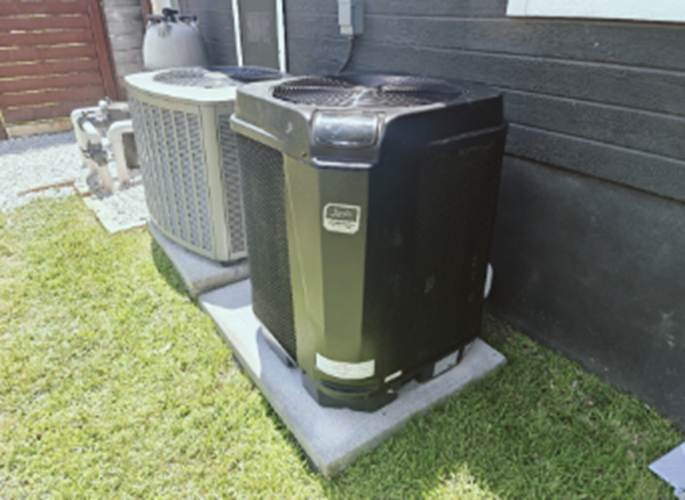
Keeping your pool at the right temperature makes swimming more enjoyable. Two common options are pool heat pumps and gas heaters. While both can warm your pool, they work in different ways and have different repair and maintenance needs. Understanding these differences can help you choose the best option for your home.
How They Work
A pool heat pump uses electricity to pull heat from the air and transfer it to the pool water. It works best in warm climates and is known for energy efficiency.
A gas heater, on the other hand, burns natural gas or propane to heat water quickly. It is ideal for fast heating, especially in cooler weather or when you only use your pool occasionally.
Maintenance Needs
Heat pumps usually need less maintenance. Regular tasks include cleaning the air filter, checking the fan, and making sure airflow is not blocked. Keeping the unit clean helps it run efficiently.
Gas heaters require more regular care. Burners, gas lines, and ignition systems must be checked often. Dirt or debris can affect performance, so routine cleaning is important. Because gas heaters involve fuel, safety checks are also necessary.
Common Repairs
Heat pump repairs often involve electrical components like sensors, wiring, or compressors. These issues can affect how well the unit transfers heat. While repairs may cost more upfront, they are usually less frequent.
Gas heaters may need repairs more often. Common issues include clogged burners, faulty thermostats, or ignition problems. These repairs can add up over time, especially if the heater is used frequently.
Lifespan and Efficiency
Heat pumps tend to last longer, often up to 10–15 years with proper care. They are more energy-efficient, which can lower long-term costs.
Gas heaters usually have a shorter lifespan, around 5–10 years. They use more energy but provide faster heating, which can be useful for quick temperature changes.
Choosing the Right Option
Both systems have their benefits, and the best choice depends on your needs and usage. If you want steady, energy-efficient heating, a heat pump may be the better option. If you need fast heating for occasional use, a gas heater might be more suitable.
At Perfect Catch Electric, we help homeowners choose, maintain, and repair pool heating systems with confidence. We provide expert inspections, reliable repairs, and guidance to keep your system running safely. By working with us, we ensure your pool stays comfortable year-round while helping you avoid costly breakdowns and extend the life of your equipment.
This post was written by a professional at Perfect Catch Electric. Perfect Catch Electric is a family-owned pool electrical specialist serving Largo and the greater Tampa Bay area. With over 30 years of experience, we focus exclusively on electrical systems for pools and spas, including pumps, heaters, automation, lighting, salt systems, and bonding and grounding. Our work is always code-compliant, safe, and built to last. Licensed and insured, we pride ourselves on honest service, clear communication, and reliable solutions that keep pools operating efficiently and safely. When it comes to pool electrical work, pool heat pump repair Clearwater, experience matters—and Perfect Catch Electric delivers it every time.