
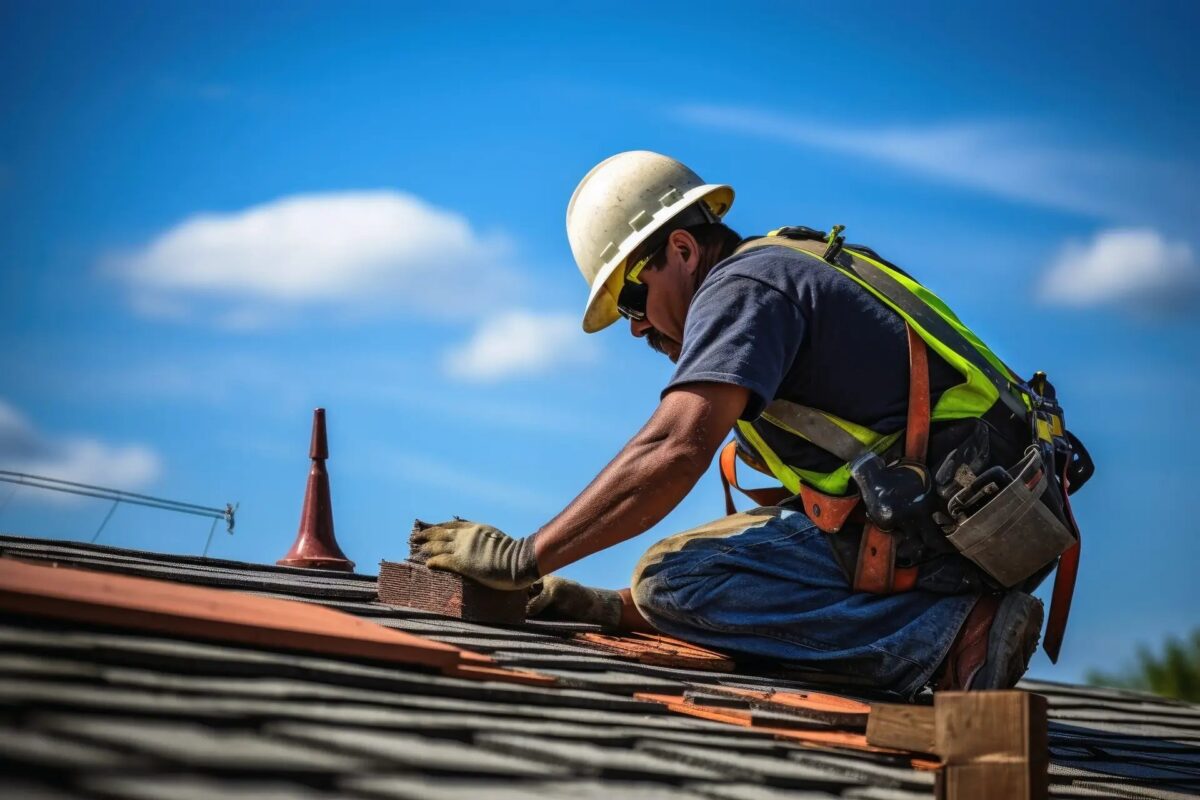
A business roof does much more than just cover a structure. It protects employees, customers, equipment, inventory, technology, and the daily activities that keep a business moving. When roofing problems develop, even relatively minor damage can interfere with normal operations. For businesses in Denver, changing weather conditions make regular roof care particularly important.
Reliable commercial roof repair in Denver can help property owners address problems before they result in interior damage, operational delays, or expensive structural concerns. A proactive approach to roofing can also support long-term building performance while giving businesses greater confidence during unpredictable weather.
Denver Weather Can Put Commercial Roofs Under Pressure
Denver experiences a wide range of weather throughout the year. Snow, freezing temperatures, hail, strong sunlight, wind, and sudden temperature changes can all affect commercial roofing materials.
Repeated expansion and contraction can gradually weaken seams, flashing, membranes, and other roof components. Snow accumulation and melting can also expose drainage problems. During warmer months, prolonged sun exposure may contribute to deterioration of certain roofing materials.
These conditions make periodic inspections and timely repairs valuable parts of commercial property maintenance. Identifying small areas of damage early can prevent them from becoming larger problems during the next storm or seasonal weather change.
Roof Problems Can Disrupt Daily Operations
Roof damage does not always remain confined to the roof itself. A leak can allow moisture to enter ceilings, walls, insulation, electrical areas, storage spaces, or work environments.
For an office, water intrusion could damage computers, furniture, documents, and flooring. Retail businesses may need to close sections of their stores if water creates unsafe conditions. Warehouses could face damaged inventory, while restaurants and other customer-facing businesses may experience interruptions that affect both revenue and reputation.
Repairing roofing problems promptly helps reduce the possibility of these disruptions. Businesses can continue serving customers and maintaining productivity without allowing a preventable building issue to become a major operational obstacle.
Early Repairs Can Control Long-Term Costs
Delaying commercial roof repairs can sometimes make a relatively manageable problem significantly more expensive. A damaged flashing detail or small membrane opening may initially require a limited repair. If moisture continues entering the roofing system, however, insulation and other underlying materials may eventually require attention.
Routine inspections provide an opportunity to locate deterioration before it spreads. Property managers can then prioritize repairs according to urgency rather than waiting for an emergency.
This approach can also make maintenance expenses more predictable. Instead of unexpectedly dealing with extensive water damage, businesses can incorporate roofing inspections and repairs into their ongoing property management budgets.
Protecting Valuable Business Assets
Commercial buildings often contain assets worth considerably more than the roofing system itself. Machinery, merchandise, electronic equipment, furniture, records, and specialized tools can all be vulnerable to water.
Warehouses and manufacturing facilities face particularly significant risks because a single leak above stored products or equipment could create substantial losses.
A properly maintained roof provides an important first line of protection. Addressing damaged membranes, drainage issues, flashing problems, punctures, and deteriorated roofing components helps maintain a secure barrier between valuable business assets and outdoor conditions.
Recognizing Signs That Repairs May Be Needed
Some roofing problems become obvious when water starts dripping inside a building, but others are easier to overlook. Interior ceiling stains, unexplained moisture, unusual odors, damaged flashing, standing water, loose roofing materials, and visible membrane deterioration can indicate potential concerns.
Changes in energy performance may sometimes warrant further investigation as well, particularly when moisture or damaged insulation is involved.
After significant hail, wind, or snow events, arranging a professional roof inspection can help uncover damage that may not be noticeable from ground level. Finding problems before interior symptoms appear gives property owners more options for managing repairs.
Supporting A Longer Roof Service Life
Commercial roofing represents a significant property investment. Regular maintenance and timely repairs can help owners get greater value from that investment.
Ignoring small defects allows weather and moisture to continue affecting vulnerable areas. Addressing those defects promptly helps preserve the condition of the overall roofing system. Maintenance may include repairing seams, correcting flashing concerns, clearing drainage areas, replacing damaged materials, and resolving sources of water intrusion.
Keeping detailed records of inspections, maintenance, and completed repairs can also help property managers understand the roof’s condition over time and plan future improvements more effectively.
Planning For Business Continuity
Reliable commercial roof repair is ultimately about more than maintaining a building. It is also part of protecting business continuity.
Property owners and facility managers can establish inspection schedules, pay attention to early warning signs, and respond quickly following severe weather. Having a clear maintenance strategy reduces the likelihood that roofing problems will suddenly interfere with employees, customers, inventory, or essential operations.
For Denver businesses, where weather conditions can change quickly, proactive roof management can be especially valuable. A well-maintained commercial roof helps protect the building, supports predictable maintenance planning, and reduces unnecessary interruptions.
Conclusion
Commercial roofing problems can have consequences that extend throughout an entire business. Water intrusion, damaged inventory, unsafe areas, and unexpected closures can quickly turn a building maintenance issue into an operational challenge.
Investing in dependable commercial roof inspections and timely repairs helps Denver property owners reduce these risks. By identifying damage early and maintaining critical roofing components, businesses can protect their facilities, valuable assets, employees, and everyday operations while helping their commercial roofs perform reliably for years to come.