
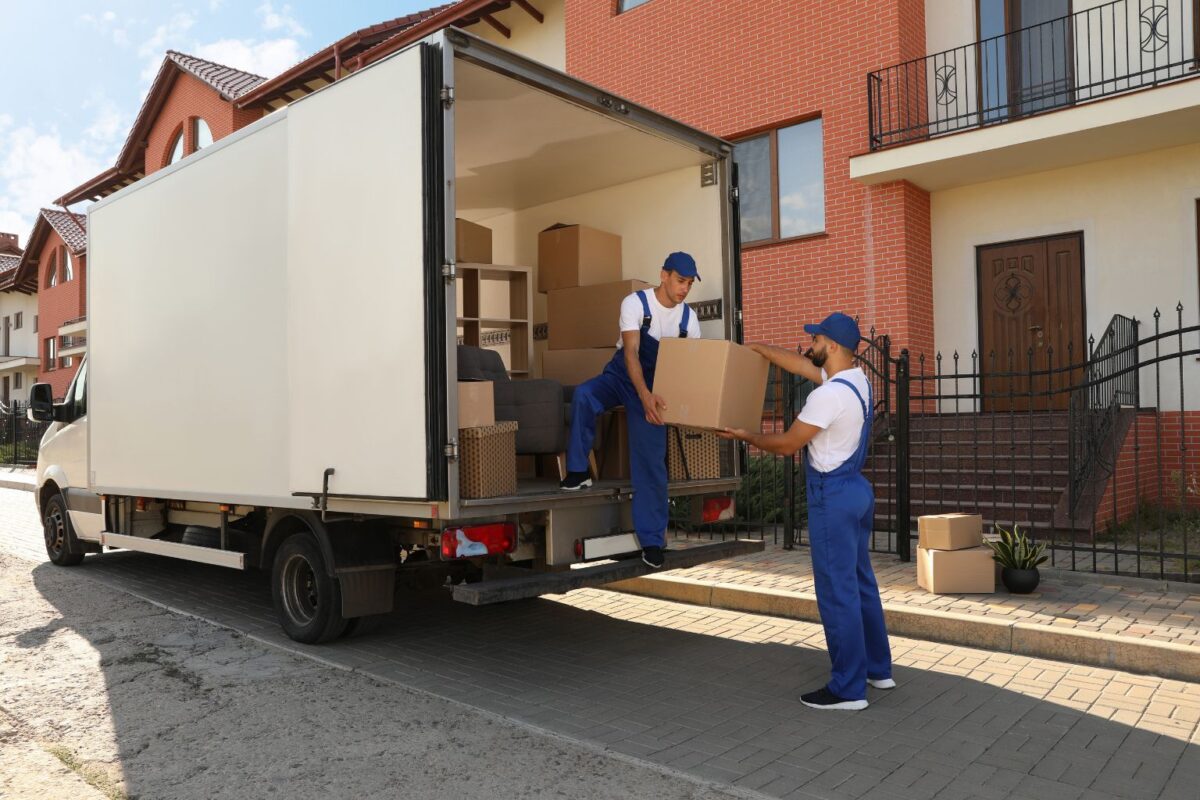
Moving day often feels like the most demanding part of relocating, but much of the stress associated with it actually begins before the moving truck arrives. Poor packing, unclear labelling, blocked access, and last-minute decisions can turn an otherwise manageable move into hours of unnecessary confusion.
Good preparation creates a clear path from the old property to the new one. Whether moving from a small apartment or a large family home, a few practical decisions made in advance can make the entire day easier for everyone involved.
Finish Packing Before Moving Morning
Not finishing packing is one of the main reasons why moving day is late. When movers are already at work, it can take a long time to organise small things that are spread out in beds, bathrooms, kitchens, and storage areas.
Almost everything should be packed up before moving day. Only carry real necessities with you, like toiletries, medicines, chargers, important papers, and an extra set of clothes.
Also, boxes should be closed tightly instead of being left open so that things don’t stick out. Boxes that are packed well are easier to stack, carry, and place inside the truck.
Create a Clear Labelling System
Writing “bedroom” or “kitchen” on boxes is useful, but a slightly more detailed system can make unpacking significantly easier. Include both the destination room and a short description of the contents.
For example, a box might be labelled “Kitchen: Everyday Plates and Bowls” instead of simply “Kitchen.” This makes it easier to identify priority boxes without opening several containers.
Mark fragile boxes clearly and consider identifying boxes that should be unloaded first. Good labelling helps a removalist Sydney team understand where belongings belong when they reach the destination, reducing repeated questions during unloading.
Clear Pathways Through the Property
Movers need enough room to safely carry bulky furniture and stacks of boxes. Before they arrive, walk through the property and examine the route from each room to the front door, driveway, or loading area.
Remove shoes, rugs, plants, children’s toys, loose cables, and unnecessary furniture from these pathways. Check staircases and hallways for anything that could create an obstacle.
Outdoor access matters too. Gates should open properly, driveways should be clear, and vehicles that might obstruct the moving truck should be relocated beforehand where possible.
Decide What Travels With You
Some belongings are better kept with you instead of being loaded into the moving truck. Important identification documents, passports, jewellery, keys, financial records, medication, laptops, and other valuable personal items are common examples.
Prepare a separate personal bag and keep it somewhere clearly away from packed belongings. This prevents important items from accidentally disappearing into a truck full of similar-looking boxes.
It can also help to prepare a first night bag containing basic clothing, toiletries, phone chargers, towels, and other immediate necessities.
Prepare Large Furniture in Advance
Bulky furniture can create unexpected delays when nobody has considered how it will leave the property. Measure large pieces and compare their dimensions with doorways, staircases, elevators, and narrow corridors.
Some furniture may need to be partially dismantled. If you disassemble items yourself, place screws, bolts, and other small components into labelled bags and keep them with the relevant furniture.
Empty drawers and cabinets when necessary. Lighter furniture is generally easier to handle, while loose contents can move around during transportation.
Keep Children and Pets Away From Busy Areas
Moving day creates constant activity, with people carrying heavy objects through doors and along pathways. Young children and pets can unintentionally enter these busy areas.
Arrange a safe room, childcare, or another suitable option before work begins. Pets should have a secure, quiet space with water and familiar items until transportation arrangements are ready.
Reducing unnecessary movement through working areas allows everyone to concentrate on the relocation.
Check the Property One Final Time
Before leaving, conduct a systematic inspection instead of relying on a quick glance around. Check every cupboard, wardrobe, drawer, shelf, garage area, balcony, shed, and storage space.
Look behind doors and inside appliances as well. Items are commonly forgotten in refrigerators, dishwashers, bathroom cabinets, and built-in storage.
Preparation is ultimately what separates a chaotic moving day from an organised one. By completing packing early, labelling carefully, clearing access routes, preparing furniture, and protecting essential belongings, homeowners can reduce delays and confusion. When the truck finally arrives, the focus can remain exactly where it should be: safely getting everything from one home to the next.