
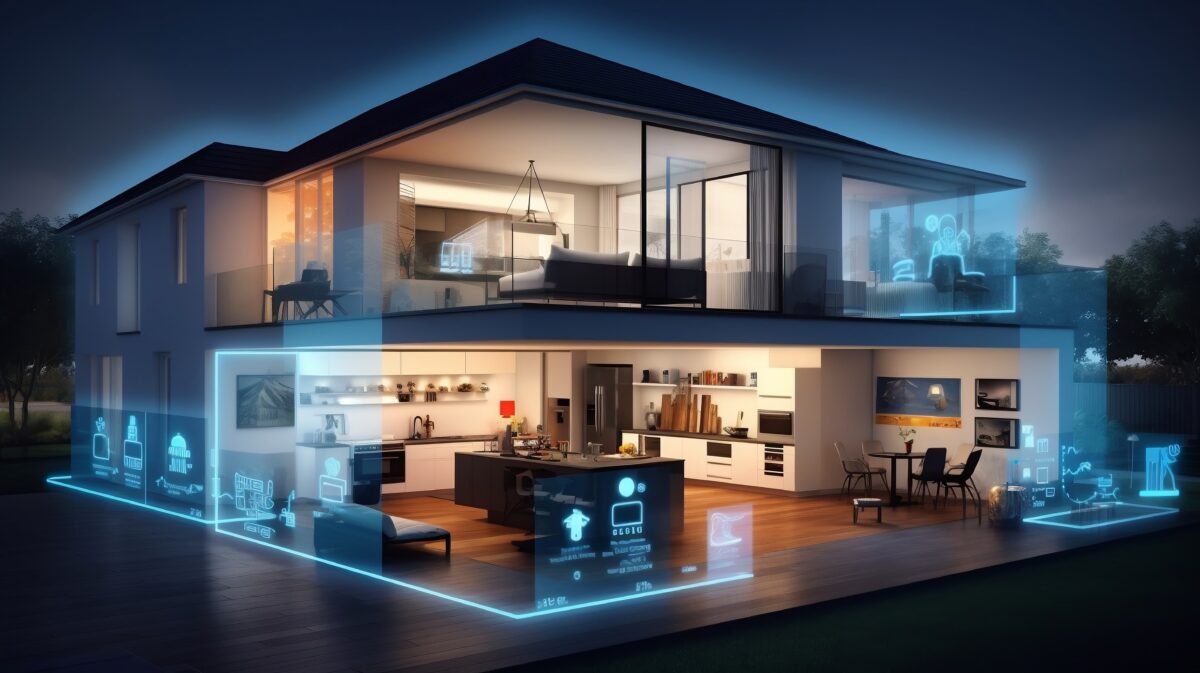
The idea of a home that understands your needs is no longer a distant dream. Smart homes are becoming a central part of modern living, where technology blends seamlessly into daily routines. From voice-controlled lighting to intelligent security systems, the future of smart homes is all about convenience, efficiency, and personalization.
As innovation continues to evolve, homes are transforming into responsive environments that adapt to lifestyles rather than forcing people to adjust to them. This shift is not just about luxury, but about making everyday life smoother and more intuitive.
Smarter Living Through Automation
Automation is at the heart of smart homes. Tasks that once required manual effort can now be handled automatically. Lights can turn on when you enter a room, thermostats can adjust based on your preferences, and appliances can operate on schedules that suit your day.
This level of automation creates a lifestyle where small routines become effortless. Imagine waking up to a home that has already adjusted the temperature, brewed your coffee, and opened your curtains. It is convenience redefined.
Interestingly, just like how people casually check updates such as indian cricket news to stay informed, smart homes keep you updated about your living environment in real time.
Enhanced Security and Peace of Mind
Security is one of the most important aspects of smart home technology. Modern systems include smart locks, surveillance cameras, motion detectors, and real time alerts. These features allow homeowners to monitor their property from anywhere in the world.
With remote access, you can lock doors, check camera feeds, or receive alerts directly on your phone. This constant connectivity ensures peace of mind and makes homes safer than ever before.
Energy Efficiency and Sustainability
Smart homes are also playing a major role in reducing energy consumption. Devices such as smart thermostats, automated lighting systems, and energy monitoring tools help minimize waste.
These systems learn your habits and adjust usage accordingly. For example, lights can switch off automatically when rooms are empty, and heating systems can reduce usage when no one is home. Over time, this not only lowers utility bills but also supports a more sustainable lifestyle.
Much like tracking resources online through platforms such as https://aepdsbiharcard.com, smart homes provide insights into how energy is being used, helping homeowners make better decisions.
Personalized Experiences
One of the most exciting aspects of smart homes is personalization. Technology now allows homes to adapt to individual preferences. Whether it is your favorite music playing when you walk in or lighting that matches your mood, personalization enhances comfort.
Voice assistants and AI driven systems are becoming more advanced, learning user behavior and improving over time. This creates a home environment that feels uniquely tailored to each individual.
Even entertainment is becoming smarter, offering experiences that blend humor and creativity, much like sharing puns jokes with friends to lighten the mood after a long day.
Connectivity and Integration
The future of smart homes lies in seamless integration. Devices are no longer isolated but connected within a single ecosystem. Smartphones, smart TVs, security systems, and appliances all work together to create a unified experience.
This interconnectedness ensures that everything can be controlled from one place. Whether it is through an app or a voice command, managing your home becomes simple and efficient.
Emotional and Cultural Connection
Beyond technology, homes also hold emotional value. Smart homes are now incorporating features that enhance emotional well being. From ambient lighting to calming soundscapes, technology supports mental relaxation.
In a culturally rich setting, even digital expressions like shayari 2 line can be integrated into smart displays or voice assistants, adding a personal and emotional touch to the environment.
The Road Ahead
The future of smart homes is filled with possibilities. With advancements in artificial intelligence, machine learning, and IoT, homes will become even more intuitive. They will not just respond to commands but anticipate needs.
As technology continues to grow, smart homes will become more accessible and affordable, making everyday convenience a standard rather than a privilege. Just as trends like dear lottery capture attention in daily life, smart home innovations are set to become a regular part of how people live.
Conclusion
Smart homes are shaping the future of living by combining technology with everyday convenience. They offer automation, security, energy efficiency, and personalization in ways that were once unimaginable.
As these innovations continue to evolve, the concept of home will move beyond physical space into an intelligent, responsive environment that enhances every aspect of life. The future is not just about smart devices, but about smarter living.