Categories
General

Unveiling The Significance Of Rendering Services In Sydney

Sydney, the iconic city down under, is renowned for its breathtaking landscapes, modern architecture, and vibrant culture. It’s a city that boasts an eclectic mix of architectural styles, from historic landmarks to contemporary skyscrapers. Behind this diverse skyline lies a hidden hero: rendering services. While often overlooked, rendering plays a crucial role in enhancing the aesthetics, durability, and functionality of Sydney’s buildings. In this article, we will delve into the significance of rendering services Sydney and how they contribute to the city’s architectural beauty and longevity.

The Art Of Exterior Rendering

Exterior rendering, a process of applying a protective and decorative coating to building surfaces, is more than just a cosmetic enhancement. Sydney’s climate, with its exposure to sun, rain, and salt air from the ocean, can take a toll on buildings over time. Exterior rendering acts as a protective shield, preventing moisture from infiltrating the walls, reducing the risk of structural damage, and prolonging a building’s lifespan. In a city where climate can be harsh, rendering is a key player in preserving architectural integrity.

Aesthetic Transformation

Beyond protection, rendering services bring about a remarkable aesthetic transformation in Sydney’s buildings. By applying various finishes, colours, and textures, rendering can completely revamp the look of a structure. Whether it’s a heritage building in need of restoration or a modern skyscraper seeking a unique facade, rendering allows architects and designers to create visually stunning exteriors that reflect the city’s vibrant spirit.

One of the remarkable aspects of Sydney’s architecture is its diversity. From the classic sandstone buildings in The Rocks to the sleek glass facades of contemporary towers in the CBD, rendering services have played a pivotal role in maintaining and enhancing the city’s architectural diversity.

Preserving Heritage

Sydney’s rich history is visible in its heritage-listed buildings, which are often characterized by their distinctive sandstone exteriors. However, time and weather have taken their toll on these structures. Rendering services, particularly those specializing in heritage restoration, have been instrumental in preserving Sydney’s historical landmarks.

These experts carefully select materials and techniques to restore heritage buildings to their former glory while ensuring their structural integrity. Through meticulous rendering, Sydney’s architectural heritage remains a vibrant part of the city’s landscape, telling stories of the past to future generations.

Elevating Real Estate Value

The Sydney real estate market is tremendously competitive, with buyers and investors looking for properties that not only operate well but also look good. Rendering services contribute significantly to increasing the value of real estate in the city. A well-rendered property stands out in the market, commanding higher prices and attracting potential buyers.

Investing in rendering services is not just an expense; it’s a strategic move for property owners and developers. It raises the curb appeal of the house, making it more enticing to potential purchasers and enhancing the long-term return on investment.

Energy Efficiency

In a more environmentally conscious society, rendering services can help improve the energy efficiency of Sydney buildings. By using insulating render systems, buildings can better regulate temperature, reducing the need for excessive heating or cooling. This not only lowers energy consumption but also contributes to environmental sustainability, aligning with Sydney’s commitment to a greener future.

Conclusion

Sydney’s breathtaking skyline is a testament to its architectural diversity and ingenuity. While we often admire the city’s buildings from a distance, it’s essential to recognize the unsung heroes that contribute to their longevity and beauty – rendering services. Beyond their role in aesthetics, rendering services protect heritage landmarks, elevate real estate value, and promote energy efficiency.

As Sydney continues to grow and evolve, the significance of rendering services remains ever-present. They are not merely a functional necessity but an art form that transforms buildings into iconic structures, ensuring that the city’s architectural legacy lives on for generations to come. So, the next time you marvel at Sydney’s skyline, take a moment to appreciate the hidden significance of rendering services that make it all possible.

Categories
General

Fire Prevention In Food Production: The Role Of Control 30 Panels

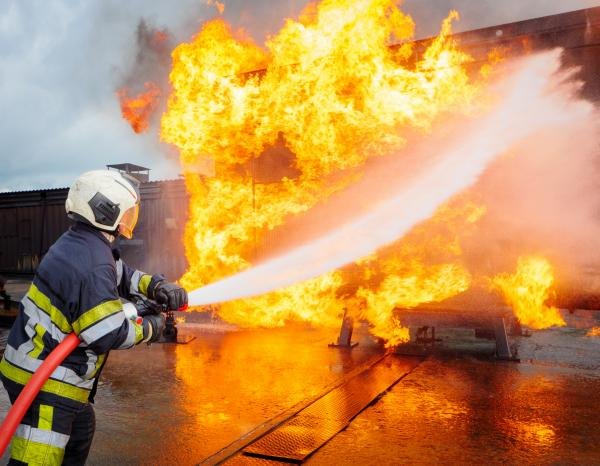
Food production is an industry that demands the highest standards of safety and quality. Ensuring that the food we consume is free from contaminants and pathogens is paramount. However, in addition to biological risks, the food production sector also faces the constant threat of fire. The consequences of a fire in a food production facility can be catastrophic, resulting in the loss of valuable resources, disruption of operations, and potentially endangering lives. To mitigate these risks, the role of Control 30 Panels in fire prevention within the food production industry is crucial.

Understanding The Fire Risk In Food Production

Food production facilities, whether they are large manufacturing plants or smaller processing centres, are prone to fire risks for several reasons. First and foremost, these facilities often contain a wide array of electrical equipment, machinery, and heating systems, all of which can pose a fire hazard if not properly maintained. Additionally, the presence of flammable materials such as oils, fats, and various packaging materials makes these environments susceptible to fire outbreaks.

Control 30 Panels: A Fire Prevention Solution

Control 30 Panels, also known as fire alarm control panels, are advanced fire safety systems designed to detect and respond to fire hazards promptly. They play a pivotal role in fire prevention in food production facilities for several reasons:

  • Early Detection: Control 30 Panels are equipped with sophisticated sensors that can detect even the slightest traces of smoke or heat. This early detection capability is crucial in preventing fires from spreading and causing extensive damage.
  • Rapid Response: When a Control 30 Panel detects a potential fire, it triggers immediate responses, such as sounding alarms, activating sprinkler systems, and alerting authorities. This swift reaction is essential for minimizing the impact of a fire.
  • Zone Control: Control 30 Panels are designed to divide a facility into different zones, allowing for pinpoint accuracy in identifying the location of a fire. This feature is invaluable in directing firefighting efforts effectively.
  • Integration With Other Systems: These panels can be integrated with other safety systems, such as emergency lighting and evacuation protocols. This makes sure that everyone responds to any fire situation in an organized and thorough way.
  • Remote Monitoring: Many Control 30 Panels can be monitored remotely, providing 24/7 surveillance of a facility. This capability allows for proactive maintenance and rapid response to any issues. Implementing Control 30 Panels from reputable sips manufacturers helps Fire Prevention In Food Production by providing advanced fire detection and response capabilities.

Benefits Of Control 30 Panels In Food Production

The integration of Control 30 Panels into the fire prevention strategy of a food production facility offers numerous benefits:

  • Reduced Downtime: In the event of a fire, early detection and rapid response can significantly reduce downtime. Quick containment and extinguishing of the fire mean less damage to equipment and infrastructure, resulting in shorter production interruptions.
  • Cost Savings: While the initial investment in Control 30 Panels may seem substantial, it pales in comparison to the potential costs of fire damage, including property loss, equipment replacement, and liability claims.
  • Enhanced Safety: Protecting the lives of employees is of paramount importance. Control 30 Panels ensure that fire incidents are addressed promptly, reducing the risk of injuries or fatalities. In recent years, the Hemsec has become a trusted partner for many food production facilities, supplying advanced fire prevention solutions such as Control 30 Panels to enhance safety and protect against potential fire hazards.
  • Compliance: Many regulatory bodies require the implementation of fire prevention systems in food production facilities. Control 30 Panels not only help meet these compliance standards but also demonstrate a commitment to safety and responsible business practices.
  • Insurance Benefits: Insurance providers often offer reduced premiums to businesses that have robust fire prevention measures in place. Control of 30 Panels can lead to lower insurance costs, further offsetting the initial investment.
  • Peace Of Mind: Knowing that your food production facility is equipped with state-of-the-art fire prevention technology provides peace of mind to both owners and employees. It creates a safer working environment and fosters a sense of security.
Categories
General

Simplified Storage: A Guide to Boltless Racking System Malaysia

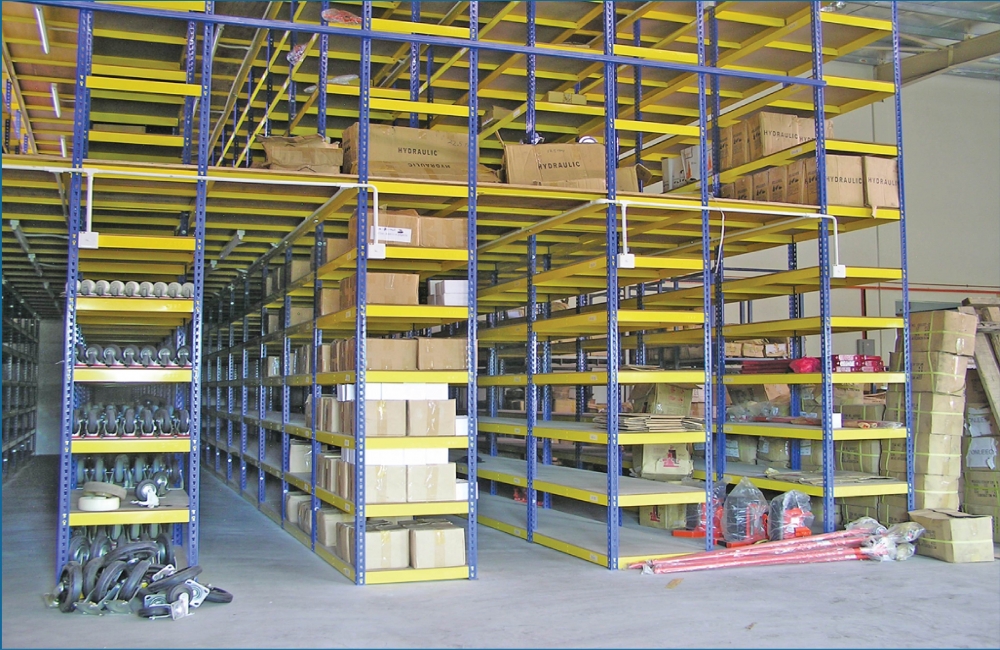
Boltless racking systems, also known as rivet shelving or boltless shelving, are a highly adaptable storage solution widely used in Malaysia. These systems are designed to provide sturdy and versatile storage for various items, from heavy industrial goods to household items. The primary advantage of Boltless Racking System Malaysia is their assembly without the need for bolts or nuts. This makes them a user-friendly option for businesses and homeowners.

Benefits of Boltless Racking Systems

  1. Ease of Assembly: One of the most significant advantages of boltless racking systems is their easy assembly. They can be set up without the need for specialized tools, as most components simply snap or lock together. This user-friendly design reduces installation time and minimizes the need for professional assistance, saving both time and money.
  2. Customizable Design: Boltless racks are available in various sizes and configurations, making them highly customizable to fit your specific storage needs. You can easily adjust shelf heights to accommodate items of different sizes, and some systems even offer the option of adding or removing shelves as required.
  3. Durability: Boltless racking systems are built to last. They are constructed from robust materials like steel or heavy-duty particleboard, ensuring they can withstand the weight of heavy items. This durability is especially valuable in industrial and warehouse settings.
  4. Cost-Effective: These racks offer an affordable storage solution compared to traditional bolted shelving systems. The cost savings stem from their easy assembly, reduced maintenance, and adaptability. In Malaysia, where cost-consciousness is crucial, boltless racking systems are an attractive option.

Types of Boltless Racking Systems

  1. Heavy-Duty Boltless Racks: Designed for industrial use, heavy-duty Shelving Rack Malaysia can handle substantial weight. They are ideal for storing bulky items, machinery, and heavy inventory in warehouses.
  2. Light-Duty Boltless Racks: Light-duty boltless racks are suitable for lighter items such as office supplies, tools, and household goods. They are often found in garages, offices, and retail settings.
  3. Wide-Span Boltless Racks: Wide-span boltless racks are excellent for items that don’t fit traditional shelving. They have wider gaps between the shelves, making them perfect for storing oversized or irregularly shaped objects.

Installation Process

Installing boltless racking systems in Malaysia is a straightforward process that can be accomplished by following these steps:

  1. Planning: Begin by assessing your storage needs and space available. Determine the type and size of boltless rack that suits your requirements.
  2. Assembly: Follow the manufacturer’s instructions to assemble the rack components. Typically, this involves connecting posts, beams, and shelves using a snap-lock or slide-in system.
  3. Loading: Start placing your items on the shelves. Make sure to distribute the weight evenly and not exceed the rack’s weight capacity.
  4. Organization: Arrange your items in an organized manner for easy access and inventory management.
  5. Safety: Always follow safety guidelines, such as securing heavy items and avoiding overloading the rack.

Conclusion

Boltless racking systems are a versatile and cost-effective storage solution that has gained popularity in Malaysia for their ease of assembly, durability, and adaptability. By these things, you can make the most of these systems in various settings, from warehouses and industrial spaces to offices and homes. Simplify your storage needs with boltless racking systems in Malaysia and experience the convenience of efficient and organized storage.

Categories
General

The Importance Of Cooling Towers In Commercial HVAC Systems: A Closer Look

Commercial HVAC systems are the lifelines of many businesses, ensuring comfortable indoor environments for employees and customers alike. Within these systems, cooling towers play a pivotal role in maintaining optimal temperature conditions. In this article, we will delve into the vital significance of cooling towers in commercial HVAC systems, with a special focus on the expertise and services offered by AirOstat Cooling Tower Installation Company.

The Basics Of Commercial HVAC Systems

These systems are made to keep big business buildings like office parks, hotels, hospitals, and factories at a comfortable temperature, humidity level, and air quality level. They consist of several key components, including heating units, ventilation systems, air handlers, and cooling equipment.

The Role Of Cooling Towers In HVAC Systems

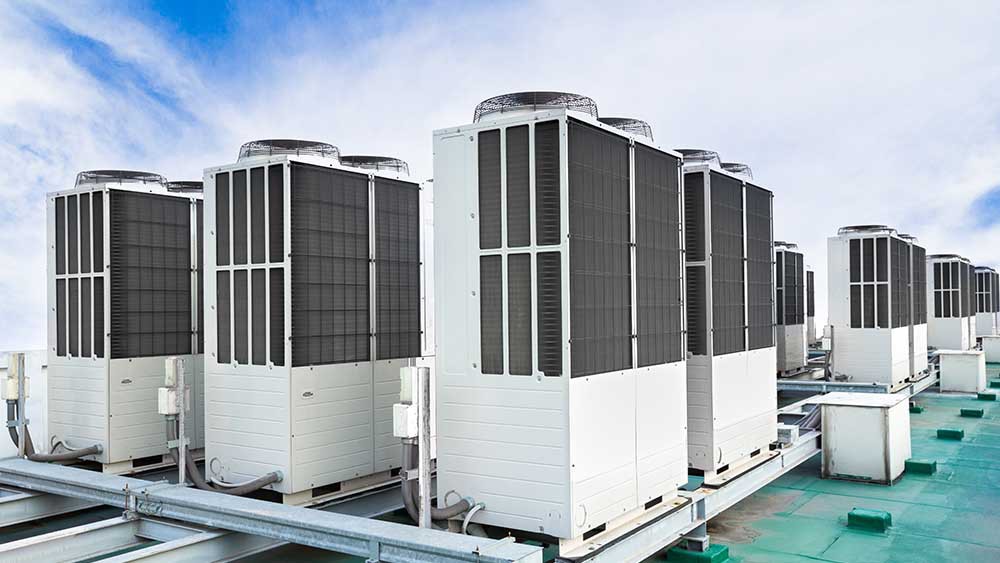
Cooling towers are essential components of HVAC systems, primarily responsible for removing excess heat from the building’s air and transferring it to the atmosphere. They are particularly crucial in warm climates or during hot summer months when air conditioning is in high demand.

Here’s how cooling towers function within the context of HVAC systems:

Heat Removal: Cooling towers absorb the hot water generated by the HVAC system and release it as a fine mist or water vapor into the air. This process effectively removes heat from the water, cooling it down.

Water Circulation: The cooled water is then circulated back into the HVAC system, where it helps regulate the temperature of the air passing through the building’s ductwork and vents.

Energy Efficiency: By dissipating heat from the HVAC system, cooling towers help maintain energy efficiency. Cooler water requires less energy to cool down, reducing the workload on the HVAC system’s refrigeration components.

AirOstat Cooling Tower Installation Company: The Experts

Now, let’s shine a spotlight on AirOstat Cooling Tower Installation Company and how they contribute to the significance of cooling towers in commercial HVAC systems. AirOstat has become a recognised expert in installing and maintaining cooling towers for a wide range of business clients in and around Los Angeles.

Experience And Expertise: With years of experience in the industry, AirOstat brings a wealth of knowledge and expertise to every cooling tower installation project. Their skilled technicians understand the specific requirements of commercial HVAC systems and tailor their services accordingly.

Custom Solutions: AirOstat doesn’t offer one-size-fits-all solutions. Instead, they work closely with each client to design and install cooling towers that precisely meet their needs. Whether it’s a small office building or a large industrial facility, AirOstat ensures that the cooling tower is appropriately sized and configured.

Energy Efficiency: The energy economy is very important to AirOstat. They help businesses cut down on energy use and prices by providing cutting-edge cooling tower technologies and solutions. This dedication to sustainability fits with the rising need for HVAC systems that are better for the environment.

Regular Maintenance: AirOstat doesn’t stop at installation; they provide ongoing maintenance services to ensure that cooling towers operate at peak efficiency. Regular inspections, cleaning, and repairs are part of their comprehensive maintenance packages.

Energy Savings And Cost Reduction

One of the most significant advantages of having a well-maintained cooling tower, installed by a company like AirOstat, is the potential for substantial energy savings and cost reduction. Let’s explore how this works:

Reduced Energy Consumption: Cooling towers that function efficiently require less energy to cool the water in HVAC systems. This translates into lower electricity bills for businesses, which can be especially significant in large commercial buildings.

Extended HVAC System Lifespan: By preventing overheating and reducing the workload on HVAC components, cooling towers help extend the lifespan of the entire HVAC system. This means fewer repairs and replacements, leading to cost savings in the long run.

Environmental Benefits: Energy-efficient cooling towers also have positive environmental impacts. They contribute to reduced greenhouse gas emissions and help businesses meet sustainability goals.

Conclusion

Cooling towers are indispensable components of commercial HVAC systems, playing a crucial role in maintaining comfortable indoor environments and promoting energy efficiency. Companies like AirOstat Cooling Tower Installation Company are at the forefront of this industry, offering expert services that result in significant energy savings, cost reduction, and environmental benefits for their clients.

As businesses continue to prioritize sustainability and energy efficiency, the importance of cooling towers in commercial HVAC systems, and the expertise of companies like AirOstat, will only become more evident and essential in ensuring the comfort and success of commercial spaces.

Categories
General

Choosing The Perfect Custom Closet Doors For Your Home

Every little thing counts when it comes to home design. Custom closet doors may not be the first thing that comes to mind when planning a home renovation, but they can have a substantial effect on the aesthetics and functionality of your living space. Whether you’re renovating an existing home or designing your dream home from scratch, choosing the perfect custom closet doors is a decision worth some careful consideration.

Custom closet doors go beyond their functional role of hiding your wardrobe; they can also be a statement piece that complements your interior design style. In this comprehensive guide, we’ll explore the various aspects you should take into account when selecting custom closet doors for your home. From style and material to practicality and space optimization, we’ll cover it all to help you make an informed decision.

1. Assess Your Design Style

Before you start browsing through catalogs or visiting showrooms, it’s crucial to identify your design style. The design of your custom closet doors should harmonize with the overall aesthetic of your home. Here are some popular design styles and the closet door options that complement them:

A. Contemporary: If your home boasts clean lines, neutral colors, and minimalist decor, consider sleek and modern closet doors. Sliding doors with mirrored surfaces or frosted glass can enhance the contemporary vibe.

B. Traditional: For a more classic look, opt for wooden custom closet doors with raised panels and intricate molding details. These doors can add a touch of timeless elegance to your home.

C. Industrial: Industrial-style homes often feature raw materials like steel and exposed brick. Consider metal-framed closet doors or rustic barn-style doors to align with this aesthetic.

D. Bohemian: If your home exudes a boho vibe with eclectic patterns and textures, you might want to explore custom closet doors with vibrant colors, carved wood, or even beaded curtains.

E. Scandinavian: Scandinavian design is all about simplicity, functionality, and light color palettes. Sliding closet doors with a white finish or light wood tones can blend seamlessly with this style.

F. Mid-Century Modern: Mid-century modern homes typically feature clean lines and retro-inspired furnishings. Opt for custom closet doors with geometric patterns or bold colors to capture this era’s essence.

Understanding your design style will help you narrow down your options and ensure that your custom closet doors align with your home’s overall aesthetic.

2. Consider The Material

Custom closet doors come in various materials, each offering a distinct look and feel. Here are some common materials and their characteristics:

A. Wood: Wooden closet doors are classic and versatile. You can paint or dye them to fit your decor, and they come in oak, maple, and cherry and other woods. Wood makes a room feel warmer and more interesting.

B. Glass: Glass closet doors can make a room feel more spacious and airy. If you need protection, you can pick glass that is clear, frosted, or patterned. Mirrored glass can also serve a dual purpose by providing a full-length mirror.

C. Metal: Metal closet doors are durable and can add an industrial or contemporary touch to your space. They are often used in modern or minimalist designs.

D. Laminate: Laminate closet doors offer a budget-friendly option with a wide range of finishes and colors. They can look like wood or other materials, but they are cheaper and easier to take care of.

E. Fabric: Fabric closet doors, also known as curtain closet doors, are a unique and versatile option. They add softness to a room and come in various patterns and textures.

F. Combination: Some custom closet doors combine materials, such as wood and glass or wood and metal, to create a visually interesting and functional design.

Consider the material’s durability, maintenance requirements, and how it complements your design style when choosing custom closet doors.

3. Explore Door Styles

How your custom closet doors look can have a big effect on how your whole room looks. Here are some popular door styles to consider:

A. Swinging Doors: These doors open and close on hinges, much like traditional interior doors. They are a classic choice and can be customized with various panel designs and hardware options.

B. Sliding Doors: Sliding closet doors are a space-saving option, making them ideal for small rooms or tight spaces. They glide along tracks and can have a sleek, modern appearance.

C. Bifold Doors: Bifold closet doors consist of two panels that fold in the center when opened. They are a great choice for closets with limited clearance in front of them.

D. Pocket Doors: Pocket doors slide into a hidden compartment within the wall, completely concealing the door when open. They are an excellent option for maximizing space and creating a seamless look.

E. Barn Doors: Barn-style closet doors have gained popularity for their rustic charm. They slide on a track mounted above the doorway, adding a unique focal point to your room.

F. French Doors: If you want to create a sense of openness and elegance, consider French closet doors with glass panels. They allow light to pass through while still defining separate spaces.

The choice of door style should consider the available space, your design preferences, and the practicality of the door’s operation.

4. Determine The Level Of Privacy

The level of privacy you need in your closet area is an important factor to consider. Depending on the room and the items you store in your closet, you might want different degrees of privacy. Here are some considerations:

A. Full Privacy: If your closet contains personal items that you prefer to keep completely hidden, solid doors or opaque materials like wood or laminate may be the best choice.

B. Semi-Privacy: If you’re comfortable with some visibility but still want to obscure the contents of your closet, frosted glass or textured glass can be a good compromise. They allow diffused light to pass through while maintaining privacy.

C. Open Concept: In some cases, you might want to keep your closet area open to the room, using curtains or fabric closet doors to add a sense of separation without completely enclosing the space.

Consider the function of the closet and how the level of privacy aligns with your needs and preferences.

5. Optimize Space With Customization

Custom closet doors offer an opportunity to optimize your storage space and make it more functional. Here are some customization options to consider:

A. Built-In Shelving: If your closet has enough depth, you can incorporate built-in shelving into the door design. This provides additional storage for shoes, accessories, or folded clothes.

B. Mirrored Panels: Mirrored closet doors serve a dual purpose by providing both a reflective surface and the illusion of a larger space. They are especially useful in bedrooms and dressing areas.

C. Integrated Lighting: Consider adding integrated LED lighting to your custom closet doors. This not only enhances visibility but also adds a touch of luxury to your closet.

D. Combination Of Doors: Combine different door styles within the same closet to maximize functionality. For example, use sliding doors for your main closet area and bifold doors for smaller compartments.

E. Custom Hardware: Pay attention to the hardware details, such as handles, knobs, and pulls. Sometimes these little things can make a big difference in how your custom closet doors look and work.

Customization options allow you to tailor your closet doors to your specific needs and lifestyle.

6. Budget And Maintenance Considerations

Before finalizing your decision, it’s essential to consider your budget and the long-term maintenance of your custom closet doors. Here are some key points to keep in mind:

A. Budget: Custom closet doors come in a wide range of price points, so it’s crucial to establish a budget early in the planning process. Be mindful of not only the cost of the doors themselves but also any customization, hardware, and installation fees.

B. Maintenance: Different materials require varying levels of maintenance. Wood doors may need periodic refinishing or repainting, while glass doors might need cleaning to maintain their clarity. Before you choose materials, think about how much time and work you’re willing to put into upkeep.

C. Installation: Professional installation is often recommended for custom closet doors to ensure they operate smoothly and securely. Factor in installation costs when budgeting for your project.

7. Get Inspired And Seek Professional Advice

Check out design blogs, websites, and social media sites like Pinterest and Instagram to get ideas and make them better. Collect images and ideas that resonate with your vision for your custom closet doors.

Additionally, consider consulting with a professional interior designer or a custom closet door specialist. They can provide valuable insights, recommend materials and styles that suit your home, and ensure that your design choices align with your overall interior design plan.

Conclusion

Choosing the perfect custom closet doors for your home involves a careful balance between style, functionality, and practicality. You can make a smart choice that improves both the look and function of your living space by figuring out your design style, the material, the door types, the level of privacy, the best use of space, your budget, and the amount of upkeep you can handle.

Remember that custom closet doors are not just functional elements; they are an integral part of your home’s design narrative. So, take your time, gather inspiration, and collaborate with professionals to create custom closet doors that not only serve their purpose but also elevate the overall beauty and functionality of your home. Your custom closet doors can be a reflection of your personal style and a testament to your attention to detail in interior design.

Categories
General

Renting Heavy Construction Equipment Can Be Beneficial: Flexibility and Efficient

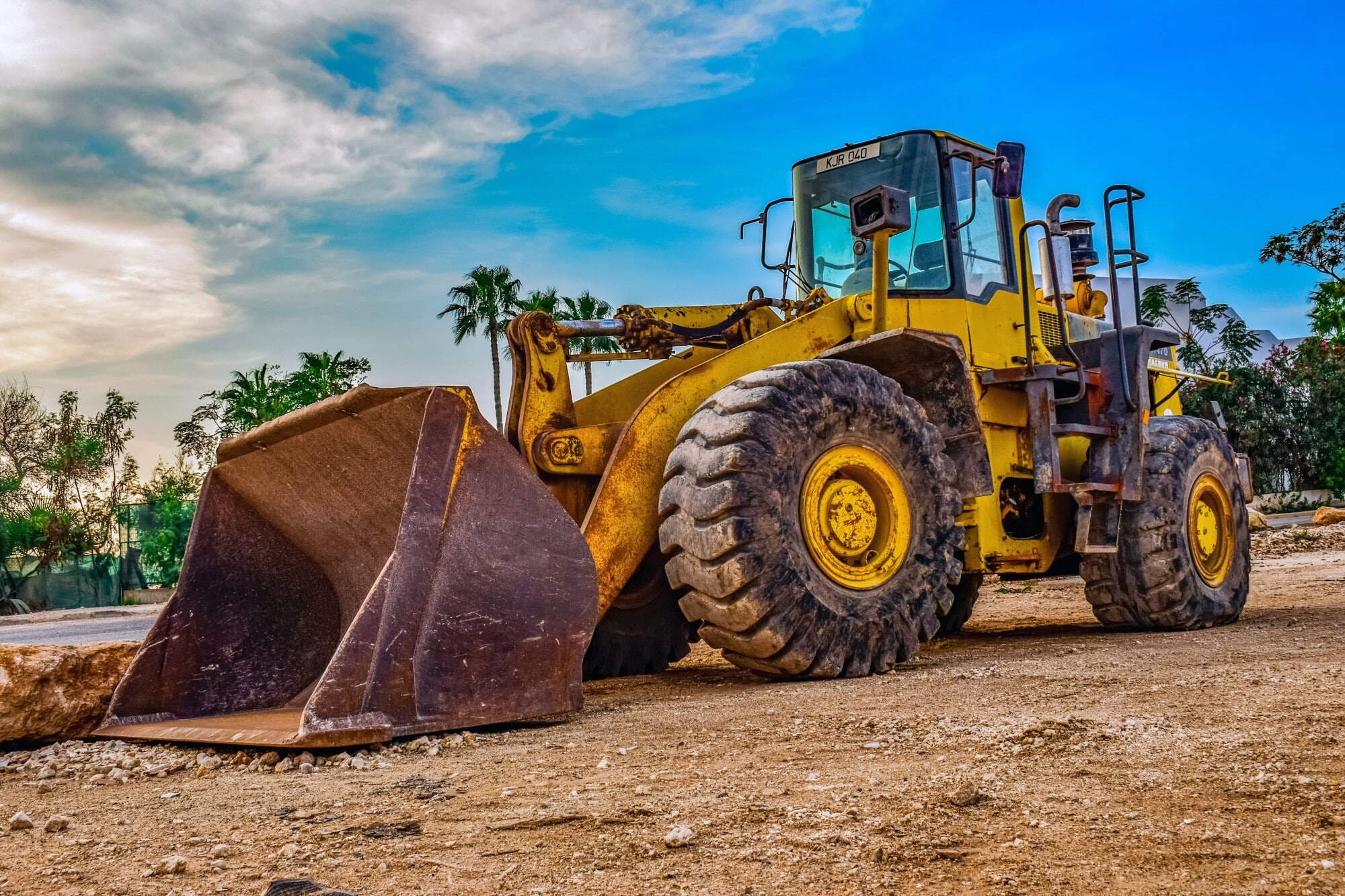
In the dynamic construction field, flexibility and efficiency are essential to success. Heavy construction equipment forms the basis of any project. But the decision whether to rent or purchase it is a key one. Renting heavy construction machinery has several benefits, which can enhance the efficiency and flexibility of construction sites. This article will explore the advantages of hiring heavy construction equipment rental, showing how it leads to improved project outcomes and cost savings.

1. Cost Savings and Capital Preservation

Renting construction equipment immediately saves you money. Construction equipment is expensive and requires a large capital investment. There are also ongoing expenses, including insurance, storage, depreciation, and maintenance. Renting relieves businesses of these costs and allows them to invest capital in other areas, like labour, materials, or technology.

Renting has a predictable structure and manageable costs. Rental rates are often fixed. So you can budget confidently, knowing exactly your monthly payment. This stability makes it easier to budget and reduces unexpected expenses.

2. Access to Specialized Equip.

Construction projects can require specific equipment for tasks or project conditions. Cost-effective and efficient, purchasing all equipment necessary for a construction project is only sometimes feasible. Renting can be a good solution because it allows access to many types of equipment suitable for short-term usage.

Renting the right equipment is a great way to ensure you have the tools you need for your project, even if you want to avoid buying it. This flexibility helps to ensure that even when facing specialized challenges, your project will proceed smoothly and safely.

3. Flexibility, Scalability, and Project Flexibility

Equipment needs can vary greatly from one stage to the next. Renting heavy-duty construction equipment allows companies to change their fleet in response to changing project requirements. This flexibility can be especially useful to companies that work on several projects simultaneously or who experience seasonal variations.

If you need to rent extra equipment for a project during a time of high demand, you can do so without committing long-term or incurring the cost of ownership. The system’s scalability ensures you can always optimize your equipment to match project requirements.

4. Maintenance and Downtime are Reduced

Owning heavy construction equipment comes with many responsibilities. They include routine maintenance and repairs as well as downtimes. Rental equipment, however, is maintained well by the rental firm, which also handles any repairs. The equipment will operate at its best, reducing the chances of unexpected breakdowns.

Rental companies also provide replacement equipment when necessary while repairs are being made. It ensures that you can keep your project on schedule.

5. Access to the Latest Technologies

The construction industry is always evolving. New technologies and equipment designs can make a big difference to the quality and efficiency of a project. Heavy equipment companies regularly update their fleets to include the latest technology and models. Renting equipment provides access to these cutting-edge machines without costly upgrades.

Conclusion

Renting heavy-duty construction equipment provides construction companies with flexibility and efficiency they cannot get from owning the equipment. Renting heavy construction machinery offers construction companies flexibility and efficiency that owning equipment cannot match.

In today’s construction industry, adapting quickly to project changes and using the right equipment is essential. Renting heavy-duty construction equipment can help businesses streamline operations and allocate capital effectively. It also allows them to stay ahead of the curve regarding industry innovations while completing projects on time. Renting construction equipment has become a more strategic option in an ever-changing industry.

Categories
General

Exploring Diverse Career Opportunities In Real Estate Beyond Sales

The term “real estate industry” is sometimes used interchangeably with “real estate sales agents,” yet this dynamic business encompasses much more than what meets the eye. Although sales may be the most obvious component, many different work prospects in the real estate sector are suited to a wide range of competencies, interests, and personalities. In this piece, we’ll take a closer look at some of the real estate industry’s less well-known but rewarding job paths.

1. Property Management

When it comes to preserving and growing the value of real estate investments, property managers are essential. They manage the daily operations of rental properties, making sure they stay in excellent shape and bring in money for the owners. Tenant relations, financial management, maintenance coordination, and legal compliance are all aspects of this line of work. A career in property management might be a great fit for people who like organizing, solving problems, and interacting with people.

2. Real Estate Appraisal

Determining a property’s market worth is the responsibility of real estate appraisers. Their assessments are vital for various transactions, including buying, selling, and financing real estate. Becoming a licensed appraiser requires a strong understanding of local real estate markets, property evaluation techniques, and regulatory compliance. It’s a career that combines analytical skills with a deep knowledge of property valuation principles.

3. Real Estate Development

Real estate developers are the visionaries behind the creation of new properties, from residential communities to commercial complexes. They coordinate various aspects of a project, including land acquisition, design, financing, and construction. Developers need a knack for risk assessment, negotiation, and project management. This path can be highly rewarding for those who are passionate about urban planning and architecture.

4. Real Estate Law

The legal aspect of real estate is intricate and ever-evolving, making real estate law an intriguing career choice. Real estate attorneys specialize in property transactions, contracts, zoning regulations, and dispute resolution. They offer valuable guidance to clients navigating complex real estate transactions. If you have a penchant for legal matters and enjoy problem-solving, this field may be an excellent fit.

5. Real Estate Education And Training

For those who are passionate about sharing knowledge and helping others succeed in the real estate industry, a career in education and training can be fulfilling. A school for real estate license and institutions hire professionals to teach pre-licensing courses, continuing education, and workshops. This role allows you to shape the next generation of real estate professionals and stay up-to-date with industry trends.

6. Real Estate Finance And Investment

Real estate finance experts are responsible for securing funding for real estate projects and managing investment portfolios. They analyze market trends, evaluate risk, and make strategic financial decisions to maximize returns on real estate investments. This path is ideal for individuals with a strong background in finance and a keen interest in real estate markets.

7. Real Estate Technology And Innovation

The need for experts who can apply creative solutions is rising as technology continues to change the real estate sector. Careers in real estate tech involve developing software, applications, and platforms that streamline property transactions, enhance marketing efforts, or improve property management. This rapidly evolving field provides exciting opportunities for tech-savvy individuals who want to shape the future of real estate.

Conclusion

The world of real estate offers a diverse array of career paths beyond the traditional role of a sales agent. Whether you’re drawn to property management, real estate law, or the excitement of real estate development, there’s a niche within the industry that can align with your skills and interests. Exploring these alternative career options can lead to a rewarding and successful journey in the ever-evolving realm of real estate.

Categories
General

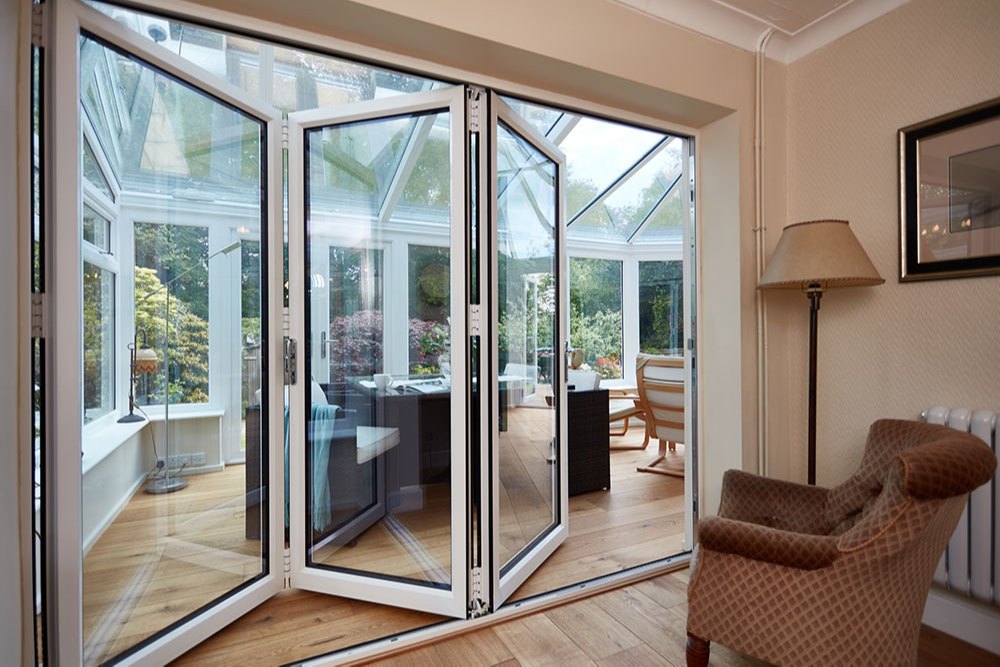
Bi-Fold Doors: Your Gateway To A More Spacious Home

When it comes to creating an inviting and spacious living environment, the choice of doors plays a significant role. Bi-fold doors have emerged as a popular choice among the different door solutions available for homeowners looking to improve both the beauty and functioning of their homes. These innovative doors are more than just a design trend; they are a gateway to a more spacious and versatile living space. In this article, we will explore the many reasons why Bi fold doors are your key to achieving a more expansive and open home.

Seamless Integration Of Indoor And Outdoor Spaces

One of the standout features of bi-fold doors is their ability to seamlessly integrate indoor and outdoor living areas. With their folding design, bi-fold doors can be fully opened to connect your indoor space with your patio, garden, or balcony. This merging of spaces not only makes your home feel more spacious but also creates a natural flow that enhances your overall living experience.

Imagine hosting a summer barbecue where your guests can effortlessly move between your indoor kitchen and outdoor dining area. Bi-fold doors make this transition smooth and elegant, providing a sense of continuity that makes your home feel larger than its physical dimensions.

Abundance Of Natural Light

Natural light has a transformative effect on any living space. It makes rooms feel more inviting, energizing, and, most importantly, spacious. Bi-fold doors are designed to maximize the inflow of natural light. When fully open, they create an unobstructed view of the outdoors, allowing sunlight to flood your interior.

The abundance of natural light not only creates a sense of spaciousness but also reduces the need for artificial lighting during the day, contributing to energy efficiency and cost savings. With bi-fold doors, you can bask in the warmth of the sun and enjoy the feeling of openness even when you’re inside.

Flexibility Of Space

Bi-fold doors are exceptionally versatile in terms of space utilization. When closed, they provide a secure barrier that separates indoor and outdoor areas, maintaining distinct zones. However, when you want to open up space for gatherings, parties, or simply to enjoy the fresh air, bi-fold doors allow you to do so effortlessly.

This flexibility is especially valuable for smaller homes or spaces where every square foot counts. Bi-fold doors enable you to adapt your living environment to your needs, making your home feel more expansive when you need it to.

Enhanced Aesthetics

Aesthetics are important in the sense of space. Bi-fold doors, with their sleek and modern design, have a visual impact that can make your home feel more open and contemporary. Their large glass panels create an illusion of expanded space by allowing you to see beyond the confines of your walls.

Moreover, the seamless transition between indoor and outdoor spaces adds a touch of luxury to your home. Whether you have a garden with lush greenery or a breathtaking view, bi-fold doors frame these natural elements like a work of art, enhancing the overall beauty of your living space.

Energy Efficiency And Sustainability

Bi-fold doors are not only about aesthetics and space but also about energy efficiency and sustainability. Many modern bi-fold door systems are designed with thermal insulation in mind, helping to maintain a comfortable indoor temperature year-round. This energy efficiency can lead to reduced heating and cooling costs, making your home more economical to run.

Furthermore, the use of sustainable materials and energy-efficient glass alternatives in bi-fold doors is consistent with environmentally responsible construction practices. By opting for bi-fold doors, you can contribute to a greener future while also enjoying the benefits of a larger house.

Conclusion

In summary, bi-fold doors are much more than just a design choice; they are a pathway to a more spacious and inviting home. Their ability to connect indoor and outdoor rooms, capture natural light, provide flexibility, improve aesthetics, and encourage energy efficiency makes them a useful addition to any home.

Bi-fold doors may alter your living space, making it feel larger, brighter, and more adaptable, whether you live in a small city apartment or a spacious suburban home. So, if you’re looking to open the gateway to a more spacious home, consider the myriad benefits of bi-fold doors – where style meets functionality and space meets elegance.

Categories
General

The Role Of Zinc Sulfate Heptahydrate In Agriculture

Australia’s economy is based primarily on agriculture, hence it is crucial to maintain the wellbeing and productivity of our animals and crops. Zinc is one important component that is frequently overlooked but is essential to agriculture. Plants need zinc, an important micronutrient, for growth and development. The application of zinc sulphate heptahydrate is a frequent technique in which this critical element is given to crops in agriculture. The several uses of zinc sulphate heptahydrate in agriculture and its importance in guaranteeing a plentiful harvest will be discussed in this article.

The Importance Of Zinc In Agriculture

Zinc is classified as a micronutrient in agriculture, meaning it is required in small quantities, but its absence or deficiency can have a significant impact on crop yield and quality. Zinc plays a vital role in various physiological processes within plants, such as photosynthesis, enzyme activity, and the synthesis of growth hormones. Without an adequate supply of zinc, plants can exhibit various symptoms of deficiency, including stunted growth, yellowing of leaves, and reduced fruit or grain production.

Zinc Sulfate Heptahydrate: A Trusted Source Of Zinc

Farmers frequently use zinc sulphate heptahydrate, also referred to as zinc sulphate, to supply zinc to their crops. Because of its high water solubility, this crystalline white powder is readily absorbed by plant roots. Furthermore, Zinc sulphate heptahydrate offers zinc and sulphur, two necessary elements combined into one substance. Since sulphur is another necessary component that plants need, zinc sulphate is an easy and affordable way to address several nutrient deficits at once.

Applications In Soil Treatment

One of the primary ways farmers utilize zinc sulphate heptahydrate is through soil treatment. Zinc deficiency is a common issue in soils, especially in regions with alkaline or sandy soils. By incorporating zinc sulphate heptahydrate into the soil, farmers can increase the zinc levels in the root zone, ensuring that plants have access to this vital nutrient throughout their growth cycle.

Foliar Spray Application

In addition to soil treatment, foliar spray application of zinc sulphate heptahydrate is another effective method for addressing zinc deficiency in crops. This method involves spraying a diluted solution of zinc sulphate directly onto the leaves of plants. Foliar spraying is particularly useful when a quick response is needed to correct a zinc deficiency, as the plant can rapidly absorb the zinc through its leaves.

Seed Coating

Seed coating is another creative use of zinc sulphate heptahydrate in agriculture. Ensuring that seeds are coated with a thin layer of zinc sulphate heptahydrate guarantees that zinc is available to emerging seedlings right from the start of their growth. For crops like wheat, barley, and canola, where early zinc availability is essential for optimum development, this approach is very helpful.

Improved Crop Yields And Quality

Increased crop yields and improved crop quality have been demonstrated when zinc sulphate heptahydrate is applied in agriculture. The nutrient- and water-absorbing capacity of plants is enhanced by zinc, which also helps the roots grow stronger. The production of chlorophyll, the green pigment required for photosynthesis, is another important function it performs. More vigorous, healthier plants with larger yields are the outcome of this.

Furthermore, zinc can enhance the nutritional quality of crops. For instance, in grains, zinc contributes to the production of proteins and enzymes, improving the overall nutritional content. This is particularly important in a country like Australia, where agriculture is not only about quantity but also about producing high-quality, nutritious food.

Environmental Benefits

Utilising zinc sulphate heptahydrate in agriculture is consistent with environmentally friendly farming methods. Farmers may optimize crop output potential without overusing fertilizers by making sure crops receive the essential nutrients. Reducing nutrient runoff into water bodies minimises the environmental impact of agriculture while also saving farmers money.

Conclusion

In the vast and diverse landscape of agriculture, zinc sulphate heptahydrate has emerged as a reliable partner in ensuring the health and productivity of crops. Its versatile applications, including soil treatment, foliar spraying, and seed coating, make it a valuable tool for addressing zinc deficiency, which can significantly impact crop yields and quality. By harnessing the power of this essential micronutrient, farmers can continue to produce abundant, high-quality crops while practising sustainable and environmentally responsible agriculture. In doing so, they contribute to the nation’s food security and the well-being of its people.

Categories
General

Eco-Friendly Advantages of Laundry Detergent Sheets

Consumers are looking for sustainable products in an age when environmental consciousness is growing. Recently, laundry sheets have gained in popularity. These sheets can be a great solution for traditional liquid or powder detergents that harm the environment. This post will examine the environmental advantages of laundry sheets Australia.

Reduced Packaging Waste

Reduced packaging waste is a major reason why laundry detergent sheets can be environmentally friendly. Traditional detergents come in plastic containers or cardboard boxes. This contributes to plastic pollution, which is on the rise. Detergent sheets, on the other hand, are usually packaged in minimal eco-friendly packaging. This reduces single-use disposable plastic and non-recyclable products.

As compactly packaged, detergent sheets take up much less space when transported. This further reduces the carbon emissions of shipping large liquid or powder detergents.

Lower Carbon Dioxide Emissions

Because of their weight and volume, transporting liquids is more energy-intensive and increases carbon emissions. This heavy container and its production contribute to greenhouse gasses. On the contrary, laundry sheets are compact and light, reducing energy requirements for their transport. This reduction in CO2 emissions is an advantage in the fight against climate change.

Minimal Water Consumption

Traditional laundry soaps can contain significant amounts of water. Producing and transporting this ingredient is resource-intensive. Detergent sheets are waterless. This means that they eliminate the necessity of transporting excessive water. This helps to reduce the carbon footprint and conserve water, both important in areas where water is scarce.

Concentrated Formulation

Laundry soap sheets are highly concentrated. One sheet is equivalent to a larger amount of liquid or solid detergent. The fact that you require less product per wash means you will use less detergent in total, thus reducing the environmental impact of detergent production.

Reduced Chemical Usage

Many traditional detergents for laundry contain chemicals like preservatives. These chemicals are harmful to the environment. They can do so both in the production process and once they have been washed out of the drain. Some of them may harm aquatic systems and contribute to pollution.

Laundry detergent sheets, on the other, have fewer additives. This reduces manufacturing impact and lowers the risk of harmful chemicals entering our waterways.

Efficient Resources Use

Detergent sheets disperse quickly and completely into water. No product is wasted or left behind inside your washing machine. Using the product efficiently reduces any residue that may build up in your washing machine and affect its performance. This means that the detergent sheets are used up to their full capacity without wasting anything, which is an environmentally friendly choice.

Less Energy Consumption

The use of laundry detergent sheets may reduce the amount of energy used during the process. Since they dissolve easily, they require much less time and effort to dissolve in the water than some powdered cleaners that need to be rinsed to remove residue. Over time, energy can be saved, and laundry becomes more eco-friendly.

Conclusion

The laundry detergent sheets represent an important step in a more environmentally friendly and sustainable washing method. Their many benefits, including reduced packaging wastes, lower carbon emission, minimal water usage, concentrated formulas, and biodegradability, make them a good choice for environmentally-conscious consumers.

We can all make small changes in how we live our lives to help reduce our ecological impact and protect our planet. Choose laundry detergent sheets rather than traditional liquids or powders to contribute to a greener, cleaner future for the environment. By choosing this innovative product, you will be part of the movement to a more environmentally friendly and sustainable laundry routine.