Categories
Furniture

Space Saving Furniture Ideas for Compact Homes

Limited floor area changes the way furniture should work. Every major piece needs to provide comfort without dominating the room, and the best options often perform two jobs at once. Space saving furniture can add storage, create flexible seating, or disappear when it is not needed. The goal is not to fill a home with clever mechanisms. It is to choose a few dependable pieces that solve repeated daily problems.

Choose Furniture That Solves More Than One Need

Multifunctional furniture works best when both functions are useful. A sofa bed has little value when no guest ever stays, while a storage ottoman may help every day.

Use Storage Seating Where Clutter Collects

A bench with hidden storage can hold shoes in an entryway, bedding in a bedroom, or toys in a living area. It keeps loose items near the place where they are used.

Choose a lid that opens easily and safely. Difficult storage soon becomes ignored storage, especially when furniture must be moved before it can open.

Let Tables Expand Only When Needed

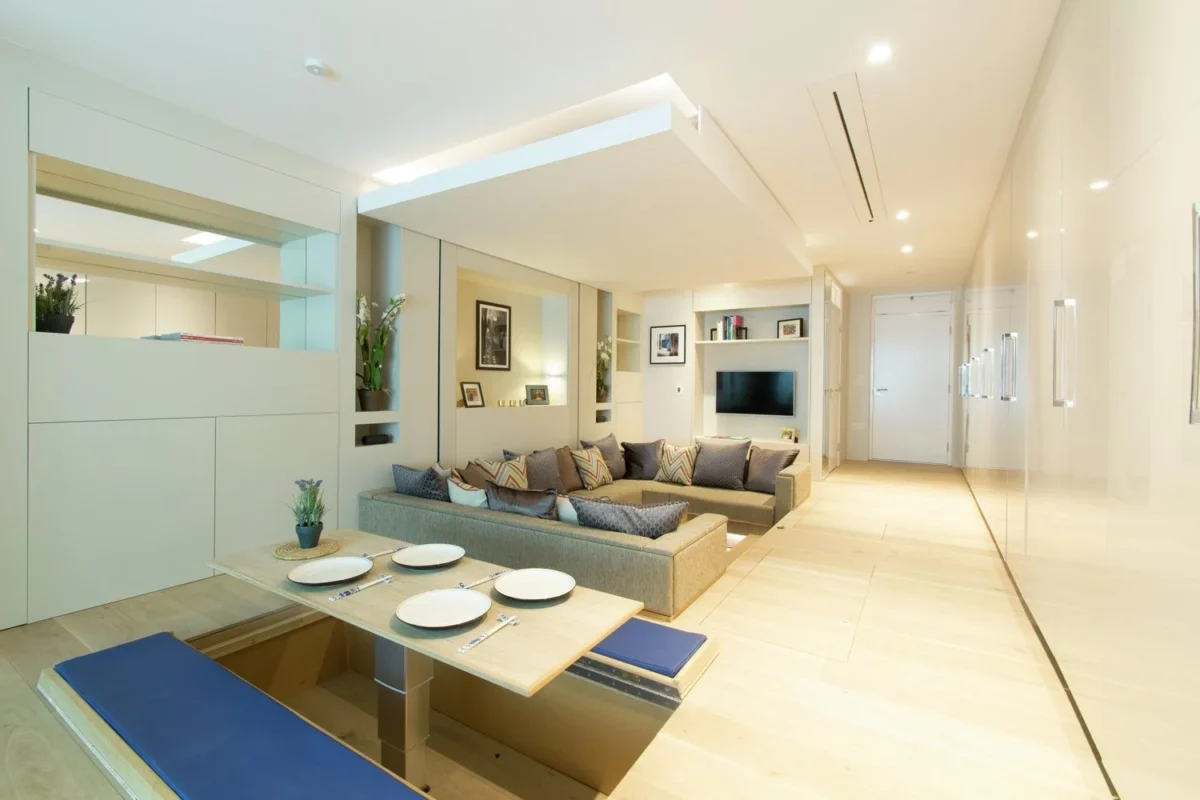
Drop-leaf dining tables, extendable consoles, and nesting side tables preserve open floor space during ordinary days. They can then grow when guests arrive or extra work surfaces are needed.

Readers exploring compact home improvement ideas should check the furniture in both its closed and expanded positions. A table is not practical when opening it blocks every walkway.

Select Space Saving Furniture for Daily Habits

A clever design should make ordinary routines easier. Products that require constant folding, lifting, or rearranging can become frustrating when used several times each day.

Consider Wall-Mounted Work Areas

A folding wall desk provides a focused work surface without taking permanent floor space. Some designs include shallow shelves for a laptop, notebooks, and chargers.

Mount it at a comfortable height and leave room for a chair. The desk should be quick to open, yet tidy enough to close at the end of the workday.

Use Beds With Accessible Storage

Drawer beds and lift-up frames can replace a separate chest of drawers. They are useful for seasonal clothing, spare bedding, luggage, or less frequently used belongings.

Broader modern household coverage often highlights the pressure placed on bedrooms that must also support dressing, storage, and work. Under-bed storage protects the remaining floor area.

Reduce the Footprint of Essential Pieces

Some furniture cannot disappear, but it can take up less room. Slimmer dimensions and better proportions often matter more than unusual features.

Choose Shallow Cabinets and Sofas

Standard furniture may be deeper than a compact home needs. A slightly shallower sofa can free enough space for a comfortable walkway without reducing seating capacity.

Measure seat depth as well as the full frame. Thick arms and oversized back cushions can add inches without adding much comfort.

Replace Floor Lamps With Wall Lighting

Wall-mounted lights and plug-in sconces remove the need for lamp tables. They work well beside beds, sofas, and small desks.

For more space-conscious interior inspiration, look upward before adding another floor-standing piece. Walls can support lighting, shelves, desks, televisions, and folding tables.

Avoid Furniture That Creates New Problems

Not every compact product improves a compact home. Some designs save space in photographs but require too much effort, clearance, or maintenance in daily life.

Test Moving Parts Before Buying

Folding chairs, extending tables, and transforming beds should operate smoothly. Heavy parts or weak hinges can turn a clever purchase into an unused obstacle.

Check where removed cushions, table leaves, or folding chairs will be stored. A product does not save room when its loose parts create clutter elsewhere.

Prioritize Comfort Over Novelty

A narrow sofa still needs proper back support. A folding desk must remain stable. A storage bed should open safely without trapping fingers or hitting a nearby wall.

Thoughtful small-home design perspectives tend to favour simple furniture that works reliably. One well-designed storage bench can outperform several complicated products.

Conclusion

The smartest compact-home purchases remove pressure from the room instead of adding another object to manage. Good space saving furniture supports a habit, provides dependable comfort, and remains easy to use on an ordinary weekday. Measure every opening position, question each added feature, and choose quality over novelty. When furniture quietly handles storage, work, dining, or sleeping, the home gains flexibility without feeling like a puzzle.

Frequently Asked Questions

What multifunctional furniture is most useful?

Storage beds, benches, nesting tables, extendable dining tables, and compact sofa beds are useful when their additional functions match your regular needs.

Is folding furniture suitable for everyday use?

It can be, provided the mechanism is stable and easy to operate. Complicated products often remain open permanently, which removes their main benefit.

Are sofa beds comfortable enough for guests?

Many modern models provide suitable short-term comfort. Check the mattress thickness, opening mechanism, frame support, and available clearance before buying.

What furniture should I avoid in a compact home?

Avoid oversized arms, deep cabinets, bulky recliners, unstable folding pieces, and products requiring storage for several loose components.

How do I measure for an extendable table?

Measure the closed size, fully extended size, chair clearance, and walking space around every side. Include the room needed to pull chairs out.

Is custom furniture worth the cost?

Built-in or made-to-measure furniture can be worthwhile for awkward corners and long-term homes. It should solve a clear problem that standard furniture cannot address.

Can large furniture work in a compact room?

One properly scaled large piece may create a calmer result than several small items. Check its depth, height, and effect on movement.

How can furniture make a room look larger?

Choose raised legs, lighter visual shapes, open backs, reflective surfaces, and pieces that keep windows and main sightlines unobstructed.

Categories
Home

Best Storage Solutions for Cluttered Living Rooms

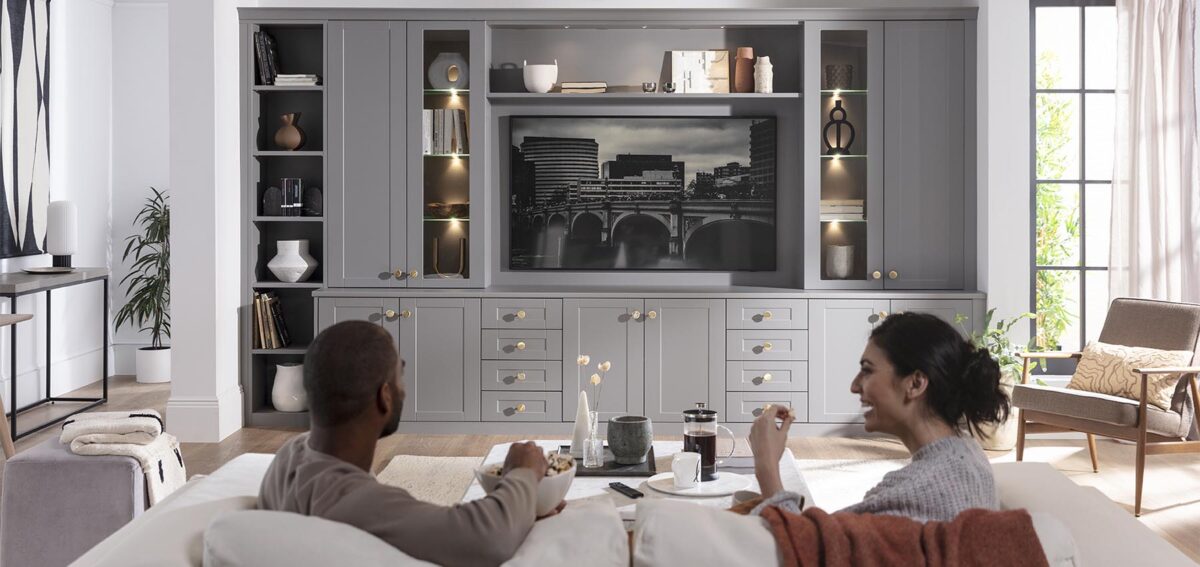
The living room often becomes the busiest space in the home. It may serve as a place for relaxing, watching television, entertaining guests, working, playing, reading, and storing items that belong in other rooms. Without a clear system, clutter can build quickly on coffee tables, sofas, shelves, and floors.

Effective living room storage should control everyday mess without making the room resemble a warehouse. The right solutions combine hidden compartments, accessible baskets, attractive shelving, and furniture that matches the scale of the room.

Homeowners researching functional home improvement solutions should first observe how clutter enters the living room. Shoes, toys, mail, blankets, chargers, books, and remote controls require different storage methods.

Choose a Coffee Table With Storage

A coffee table occupies valuable floor space, so it should provide more than a surface for drinks. Models with drawers can hold chargers, remote controls, coasters, notebooks, and small electronics.

Lift-top coffee tables provide a larger hidden compartment and can also create a temporary work or dining surface. They are especially useful in apartments where there is no room for a separate desk.

Open lower shelves are suitable for books, magazines, and decorative baskets. Use matching containers to prevent the shelf from looking untidy. Each basket can be assigned a category, such as children’s toys, electronics, reading materials, or craft supplies.

Avoid selecting an oversized table for a small living room. Leave enough space for comfortable movement between the sofa, table, and television area.

Add Closed Storage Along One Wall

Open shelves are attractive when carefully styled, but they can make a cluttered room appear busier. Closed cabinets hide mixed objects and create a calmer visual effect.

A low media console with drawers or cupboards can store television equipment, gaming accessories, cables, DVDs, and board games. Choose a design that allows airflow around electronics and includes openings for wires.

Tall cabinets use vertical space efficiently. They can store books, office supplies, toys, table linens, or occasional household items. A combination of open and closed sections creates space for decoration while concealing practical belongings.

Readers searching for organized living room inspiration can consider built-in cabinets if the room has awkward recesses. A fitted unit can use the full width and height of the wall while creating a more integrated appearance.

Paint built-in storage the same color as the wall to make it feel less dominant. Alternatively, use a contrasting finish to turn it into a strong design feature.

Use Baskets for Fast Daily Cleanup

Baskets are helpful because they allow clutter to be collected quickly. A large basket beside the sofa can hold blankets and cushions. Smaller baskets can organize toys, magazines, knitting supplies, or pet accessories.

Choose baskets that suit the room’s style. Woven materials add warmth, fabric bins provide a softer appearance, and structured boxes create a cleaner modern look.

Each basket should have one purpose. When unrelated items are placed together, finding anything becomes difficult and the basket eventually turns into hidden clutter.

A handled basket can work as a portable collection container. During an evening reset, gather objects that belong in other rooms and carry them back in one trip.

Do not place baskets in every empty corner. Too many containers can take up floor space and make the room feel smaller. Select a limited number that solve specific storage problems.

Control Cables and Small Electronics

Chargers, extension cords, headphones, controllers, and streaming devices can create visual clutter even when the rest of the room is organized. Cable management should be included in the storage plan.

Use cable clips to guide wires along the back of furniture. A cable box can conceal a power strip and excess cord length. Label similar chargers so family members can identify them quickly.

Create one drawer or basket for small electronics. Use dividers to separate charging cables, batteries, adapters, remote controls, and instruction booklets.

Practical home organization recommendations should also include a charging station. Keeping devices in one place reduces the number of cables left across sofas and side tables.

Remove outdated or unidentified cables. Test them before discarding, but avoid storing every wire from previously owned electronics.

Turn Empty Corners Into Useful Storage

Living room corners are often left empty because standard cabinets do not fit comfortably. Corner shelves can provide space for books, plants, photographs, or decorative boxes.

A narrow cabinet may fit between a sofa and the wall. This area can store blankets, games, or seasonal decorations while also supporting a lamp.

Floating corner shelves keep the floor clear and create a lighter appearance. They work best for smaller objects and should not be overloaded.

In a family living room, an unused corner can become a controlled toy area. Add a low storage unit that children can access independently. Clear labels or picture labels make cleanup easier.

When storage is designed around the room’s awkward areas, the main walkways remain open and the central space feels less crowded.

Use Storage Behind and Beneath the Sofa

The space beneath a raised sofa may hold slim storage containers. Use this area for items that are not required daily, such as seasonal textiles, spare cushion covers, or occasional games.

A narrow console table behind the sofa can provide drawers, shelves, and a surface for lighting. It is especially useful when the sofa stands away from the wall.

Place baskets beneath the console for larger objects. The table can also create a visual separation between the living area and dining area in an open-plan home.

Sofa arm organizers provide pockets for remote controls, reading glasses, notebooks, or tablets. Choose a simple design that blends with the upholstery.

Storage additions should not interfere with comfort. Avoid placing hard containers where they make sitting or movement difficult.

Create a System for Children’s Toys

Toy storage should be easy for children to understand. Deep boxes may hide clutter, but they can also make it difficult to find specific toys.

Use several smaller containers for categories such as building blocks, vehicles, dolls, puzzles, and art supplies. Picture labels help younger children return items correctly.

Rotate toys instead of keeping everything available. Store part of the collection in another area and exchange it every few weeks. This reduces clutter and can renew children’s interest in familiar items.

A storage bench can provide toy space and additional seating. Check that the lid has safety hinges and cannot close suddenly.

Families exploring household and property ideas can maintain the living room more easily when every family member understands where commonly used items belong.

The best storage solutions do not remove personality from the living room. They create enough structure for books, blankets, toys, technology, and everyday belongings to coexist without taking over the space. Start with the category creating the most visible clutter and build the system gradually.

Categories
Home

Signs Your Water Heater Needs Professional Attention Before It Fails

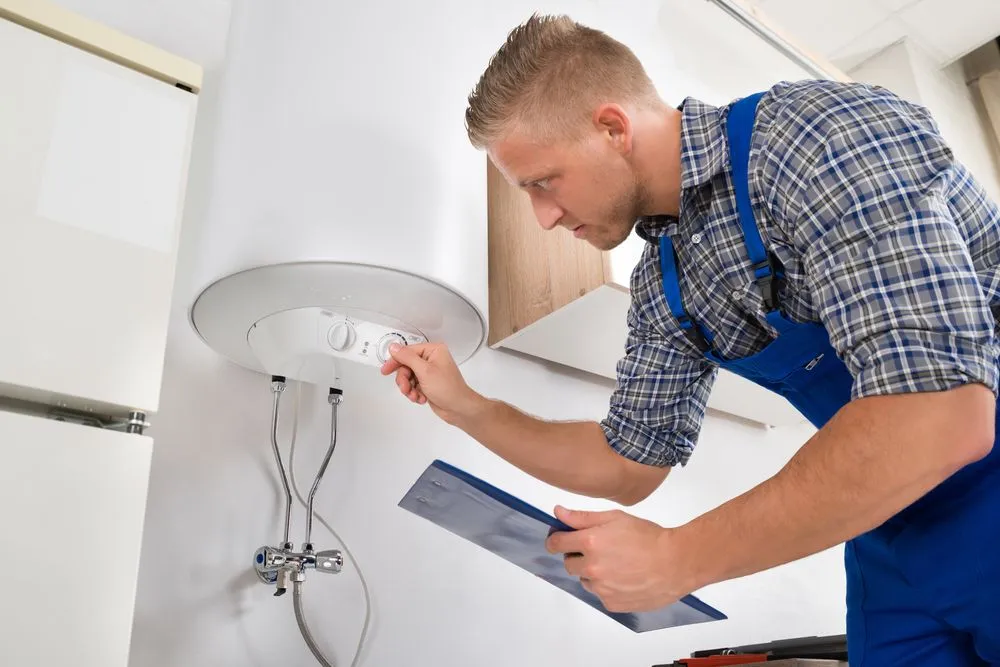
One of the most important things in any home is a water heater that you can count on. It gives you hot water for showers, dishes, cleaning, and many other everyday tasks. Homeowners often forget about it until it stops working totally because it works in the background quietly. Waiting until the whole thing breaks down can be inconvenient, cost a lot to fix, and even cause water damage.

When you know how to spot early warning signs, you can take care of small problems before they get worse. Regular maintenance and inspections by a professional can greatly extend the life of your system and keep it running smoothly.

Inconsistent Hot Water Supply

One of the first indicators that something is wrong is inconsistent water temperature. The heating elements or thermostat may not be working right if your shower gets cold all of a sudden or if the hot water runs out much faster than normal.

Although occasional temperature fluctuations can happen, repeated problems often indicate wear inside the system. Addressing these issues early prevents further damage and helps restore reliable performance.

Strange Sounds Coming From the Tank

Water heaters naturally make small operating noises, but loud popping, rumbling, or banging sounds should never be ignored.

These noises are commonly caused by sediment accumulating at the bottom of the tank. As the burner heats the trapped sediment, it creates unusual sounds and reduces heating efficiency. Over time, excessive buildup forces the unit to work harder, increasing energy consumption and accelerating internal wear.

A professional technician can determine whether flushing the tank is enough or whether additional repairs are necessary.

Rust Colored Water

If hot water begins appearing brown, reddish, or rusty, your water heater may be experiencing internal corrosion.

Rust inside the tank can weaken the metal and eventually cause leaks. While discolored water may also originate from aging household pipes, a professional inspection can identify the actual source before permanent damage occurs.

Replacing worn protective components early may extend the life of the appliance and help avoid complete system failure.

Water Around the Base of the Unit

Even a small puddle near your water heater deserves immediate attention.

Leaks may develop from loose fittings, pressure relief valves, or cracks inside the storage tank. Ignoring moisture around the unit allows damage to spread to nearby flooring, drywall, and surrounding structures.

Scheduling Water heater repair Houston services as soon as a leak appears can prevent larger repair costs while protecting your home from unnecessary water damage.

Rising Utility Bills

An aging or malfunctioning water heater often becomes less energy efficient.

When heating elements struggle, or sediment reduces performance, the system consumes more energy to produce the same amount of hot water. If your monthly utility bills continue rising without another obvious explanation, your water heater may be operating inefficiently.

Professional maintenance can restore efficiency and reduce unnecessary operating expenses.

Frequent Repairs Become More Common

Occasional maintenance is normal for most appliances, but repeated repairs within a short period usually indicate a larger problem.

If you find yourself constantly replacing components or calling technicians for recurring issues, the entire system should be professionally evaluated. An expert can determine whether repairs remain cost-effective or if replacement would provide better long-term value.

Making the right decision at the proper time often saves homeowners significant money over the years.

Reduced Water Pressure

Mineral deposits can gradually build inside the tank and connected plumbing lines.

As buildup increases, water flow becomes restricted, leading to noticeably lower hot water pressure throughout the home. Reduced pressure affects showers, faucets, and appliances while placing additional strain on the plumbing system.

Regular checks help find these problems before they get in the way of daily life.

Know When Professional Help Matters

Many homeowners postpone service because the water heater still works most of the time. However, small warning signs rarely resolve themselves. Instead, they usually become more serious and more expensive if ignored.

Experienced plumbing professionals have the equipment and expertise to identify hidden issues that homeowners cannot easily detect. Regular inspections, preventive maintenance, and timely repairs improve safety, efficiency, and system reliability.

Conclusion

Your water heater provides essential comfort every day, making early maintenance far more valuable than emergency repairs after a complete failure. Warning signs such as inconsistent hot water, unusual noises, rusty water, leaks, higher energy bills, repeated repairs, and reduced water pressure all indicate that professional attention may be needed.

If you act on these signs as soon as they show up, you can avoid sudden breaks, make your equipment last longer, and make sure your family has reliable hot water for years to come.

Categories
Home

Rethinking Storage as Part of Interior Design Rather Than an Afterthought

A well designed home is not only about beautiful furniture, stylish colors, or decorative accessories. It is also about how effectively the space supports everyday living. One of the most overlooked elements in home design is storage. Many homeowners think about storage only after completing the main design, resulting in cluttered rooms and mismatched cabinets. By considering storage as an essential part of interior design from the beginning, it becomes possible to create spaces that are attractive, practical, and easy to maintain.

Storage Should Complement the Overall Design

Storage solutions should never feel like separate additions to a room. Instead, they should blend naturally with the surrounding design. Built in shelves, concealed cabinets, and multifunctional furniture can all contribute to a cleaner and more balanced appearance.

Rather than filling empty walls with random storage units later, designers often integrate storage into the original layout. This creates a seamless look where every cabinet, drawer, or shelf feels intentional. Similar to how digital platforms encourage users to Visit Mee Bhoomi for organized access to information, a thoughtfully designed home should make every essential item easy to find without disrupting the overall aesthetic.

Every Room Deserves a Storage Strategy

Different rooms have different storage requirements. A kitchen needs accessible cabinets for cookware and pantry items. Bedrooms require wardrobes and drawers that keep clothing organized. Bathrooms benefit from compact storage that maximizes limited space, while living rooms often require hidden compartments for electronics, books, and everyday essentials.

Planning storage based on the specific activities performed in each room ensures that everything has a designated place. This reduces visual clutter while improving convenience for everyone in the household.

Hidden Storage Creates Cleaner Spaces

One of the most effective interior design trends is hidden storage. Storage benches, beds with built in drawers, floating shelves with concealed compartments, and under staircase cabinets allow homeowners to maximize available space without making rooms appear crowded.

These solutions are especially valuable in apartments and compact homes where every square foot matters. Hidden storage keeps personal belongings out of sight while maintaining an open and spacious atmosphere.

Much like the structured layout found on the Prerna Official Website, well organized storage systems make navigation easier by ensuring every item has a logical location.

Custom Storage Adds Long Term Value

Custom storage solutions may require a larger initial investment, but they often provide better long term value than standard furniture. Tailored wardrobes, floor to ceiling shelving, and fitted cabinets use available space more efficiently while increasing a home’s functionality.

Custom designs also allow homeowners to accommodate unique needs, whether storing seasonal clothing, hobby equipment, office supplies, or children’s toys. Instead of adapting to generic furniture dimensions, the storage adapts to the home itself. This personalized approach improves organization while contributing to a more polished interior.

Smart Organization Improves Daily Living

Storage is not simply about finding places to keep belongings. It directly influences daily routines, cleaning habits, and overall comfort. Well organized storage minimizes time spent searching for items, reduces stress, and encourages tidier living habits.

When everything has a designated place, maintaining the home becomes easier. Small organizational improvements can significantly enhance daily efficiency without requiring major renovations.

Even systems designed for organizing information, such as bhu naksha nagaur rajasthan, demonstrate the importance of structured layouts that make information easier to locate. The same principle applies inside a thoughtfully designed home.

Flexible Storage Supports Changing Lifestyles

Families evolve over time, and so do their storage requirements. Children grow older, hobbies change, remote work becomes more common, and household needs continue to shift. Flexible storage systems help homes adapt without requiring complete redesigns.

Adjustable shelving, modular cabinets, movable organizers, and multifunctional furniture provide the flexibility needed for changing lifestyles. Investing in adaptable storage ensures that the home remains functional for many years while reducing the need for constant replacements.

Digital systems such as pm kisan gov beneficiary status organize large amounts of information efficiently, illustrating how thoughtful organization creates smoother experiences whether managing data or household belongings.

Storage Can Become a Design Feature

Storage should not always remain hidden. Open shelving, decorative bookcases, display cabinets, and floating wall units can become attractive focal points when carefully styled. Books, plants, artwork, and decorative accessories transform ordinary storage into visual interest.

The key is maintaining balance. Too many exposed items create clutter, while carefully curated displays add personality without overwhelming the room. Combining open and concealed storage often provides the ideal solution by offering both beauty and practicality.

Similarly, initiatives like mukhyamantri udyami yojana demonstrate how structured planning supports long term success, and thoughtful storage planning brings similar lasting benefits to home interiors.

Conclusion

Storage deserves to be treated as a core element of interior design rather than an afterthought. By incorporating storage into the earliest planning stages, homeowners create spaces that are more organized, visually appealing, and easier to maintain. Hidden compartments, custom cabinetry, flexible solutions, and purposeful organization all contribute to interiors that support everyday living while enhancing overall design. When storage becomes part of the creative vision instead of a last minute addition, every room feels more comfortable, functional, and beautifully complete.

Categories
Home

Why Curved Furniture Designs Are Returning to Modern Homes?

Interior design trends often move in cycles, but some styles return with a fresh purpose that matches modern lifestyles. Curved furniture is one of those design elements making a strong comeback in contemporary homes. From rounded sofas and circular coffee tables to arched headboards and curved kitchen islands, softer shapes are replacing sharp edges in many interiors. Homeowners are embracing these designs not only for visual appeal but also for the comfort and warmth they bring into living spaces.

The Shift Away From Rigid Interior Layouts

For many years, modern homes focused heavily on clean lines and minimalistic structures. Straight edged furniture became a symbol of sophistication and order. While this style remains popular, many people now feel that overly sharp interiors can appear cold or impersonal. Curved furniture introduces softness that balances modern simplicity with a welcoming atmosphere.

Rounded furniture naturally creates a smoother visual flow inside a room. Instead of harsh corners interrupting movement, curved designs guide the eye gently throughout the space. This makes rooms feel more relaxed and harmonious, especially in open concept homes where multiple living areas connect together.

Design experts are also noticing how curves encourage more social and comfortable seating arrangements. Circular layouts often help conversations feel more natural compared to rigid furniture positioning.

Comfort Is Becoming a Bigger Priority

Modern homeowners are placing greater emphasis on comfort and emotional well being. Furniture is no longer chosen purely for appearance. People want interiors that feel calming and inviting after busy daily routines. Curved furniture supports this goal because softer lines psychologically create a more soothing environment.

Rounded sofas, plush curved chairs, and oval dining tables help spaces feel less formal and more approachable. Many homeowners now prefer interiors that support relaxation rather than overly structured appearances. This growing preference aligns closely with broader lifestyle changes and even reflects wider Australian market trends for small businesses, where customer comfort and personalized experiences are becoming increasingly important.

Curves also work particularly well in family homes because they create safer movement around furniture. Without sharp corners, homes can feel more child friendly while maintaining a stylish appearance.

Curved Furniture Works Well With Natural Materials

One reason curved furniture is returning so strongly is its compatibility with organic design trends. Many interiors now feature natural textures such as wood, stone, linen, and woven fabrics. Curved shapes complement these materials beautifully because they mimic forms commonly found in nature.

A rounded wooden coffee table or an arched accent chair can instantly soften a modern room filled with neutral tones and earthy finishes. This combination creates balance between sophistication and comfort.

Homeowners searching for fresh design inspiration often explore digital platforms and visual design resources online. Some even use platforms like uploadarticle.com seo tools to discover trending home improvement content and interior styling ideas that align with current preferences.

Small Spaces Benefit From Rounded Shapes

Curved furniture is not limited to large luxury homes. In fact, smaller spaces often benefit even more from rounded designs. Circular or oval furniture pieces help rooms feel less crowded because they improve movement around the space.

Traditional rectangular furniture can sometimes make compact rooms feel boxed in. Curved alternatives reduce visual heaviness and create the illusion of openness. This is especially useful in apartments or urban homes where maximizing usable space matters.

Interior designers are increasingly incorporating rounded furniture into compact layouts because it allows better traffic flow while maintaining visual elegance. A curved sectional sofa, for example, can define a living area without making it feel confined.

Many home decor brands are now promoting these space friendly solutions through online directories and platforms connected to australia business listing services, helping homeowners discover specialized furniture retailers more easily.

Social Media Is Influencing Interior Preferences

The popularity of curved furniture has also grown through social media platforms. Modern interior trends spread quickly through design videos, home tours, and lifestyle photography. Rounded furniture photographs exceptionally well because it creates softness and visual movement in images.

Curved furniture pieces often become focal points in online home content due to their sculptural appearance. This has encouraged more homeowners to experiment with bold yet elegant statement pieces in their own interiors.

Interior creators frequently share styling inspiration and decorating advice alongside broader social media tips Australia audiences follow for improving online visual presentation and lifestyle branding. As a result, home design trends now travel faster than ever before.

Curves Bring Personality Into Modern Homes

Many modern interiors previously focused on simplicity to the point where spaces sometimes lacked individuality. Curved furniture introduces personality without overwhelming the room. Even a single rounded piece can make a home feel more artistic and distinctive.

Designers are blending curves with contemporary colors and materials to create interiors that feel modern while still expressing warmth and creativity. This balance is particularly appealing for homeowners who want elegant spaces that remain comfortable for daily living.

The growing popularity of home entertaining also supports this trend. Rounded seating arrangements encourage interaction and create more intimate social environments. Whether hosting family dinners or casual gatherings, curved layouts often feel naturally inviting.

Interestingly, many homeowners draw inspiration from lifestyle events and exhibitions while searching for fresh ideas, including browsing local entertainment guides like what’s on in Adelaide this weekend for design showcases and creative community events.

Conclusion

Curved furniture designs are returning to modern homes because they offer more than visual beauty. They create softer environments, improve comfort, support natural interior trends, and enhance the flow of both large and small spaces. As homeowners continue prioritizing warmth, functionality, and emotional comfort, curved shapes are becoming an essential part of contemporary interior design. Their ability to combine elegance with relaxation ensures that this trend will remain influential for years to come.

Categories
Home

Home Office Features That Encourage Productivity and Comfort

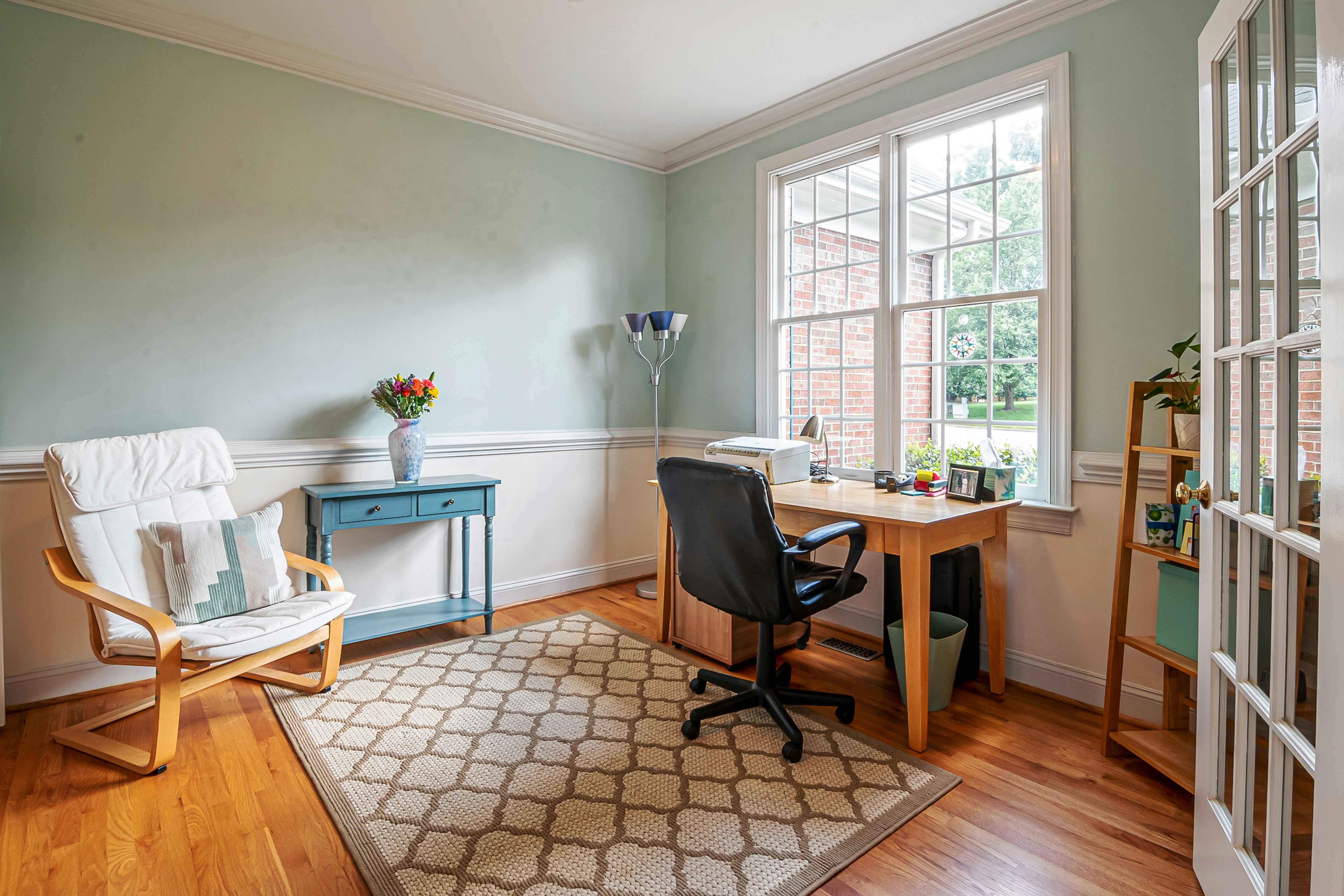
The modern home office has evolved far beyond a simple desk and chair placed in the corner of a room. Today, people want spaces that support focus, creativity, comfort, and efficiency all at once. As remote work and flexible schedules continue to grow, homeowners are investing more thought into creating work environments that feel both practical and enjoyable.

A well designed workspace can improve concentration, reduce stress, and make daily routines smoother. The right home office features not only increase productivity but also help maintain a healthier work life balance.

Comfortable Seating Creates Better Focus

One of the most important features in any home office is comfortable seating. Sitting for long periods in an unsupportive chair can lead to back pain, neck strain, and reduced concentration. Ergonomic chairs are designed to support posture while allowing movement throughout the day.

Adjustable armrests, lumbar support, and breathable materials can make a major difference during long work sessions. Many professionals involved in online business australia operations understand that comfort directly affects efficiency and overall performance.

Adding a footrest or cushion can further improve comfort while helping maintain proper posture during meetings, writing tasks, or creative work.

Proper Lighting Improves Productivity

Lighting plays a major role in how people feel while working. Natural light is one of the most effective ways to create an energizing workspace. Large windows, sheer curtains, and open layouts help reduce eye strain while improving mood and alertness.

For evening work or darker rooms, layered lighting is highly effective. Desk lamps with adjustable brightness allow users to customize lighting levels based on tasks. Warm lighting creates a calm atmosphere, while cooler tones are often preferred for focus driven activities.

Many professionals working within business services australia sectors prioritize proper lighting because it helps reduce fatigue and supports longer periods of concentration.

Organized Storage Reduces Distractions

Clutter can quickly affect mental clarity and productivity. A clean and organized office helps people stay focused and work more efficiently. Storage solutions such as shelves, filing cabinets, floating drawers, and hidden compartments help keep important items accessible without creating visual chaos.

Minimalist organization systems are becoming increasingly popular because they encourage a cleaner and calmer environment. Cable management systems also contribute to a more professional and distraction free workspace.

Even small home offices can feel spacious when smart storage solutions are incorporated into the design.

Sound Control Supports Concentration

Noise distractions can interrupt workflow and reduce productivity. This is especially important in busy households where multiple people may be sharing the same environment throughout the day.

Soft furnishings such as rugs, curtains, and upholstered furniture help absorb sound naturally. Noise canceling headphones and acoustic wall panels can also improve focus by reducing background interruptions.

Many content creators and contributors involved with australia write for us platforms value quieter workspaces because concentration is essential for producing high quality writing and creative work.

A peaceful environment allows individuals to stay engaged with tasks while minimizing unnecessary stress.

Flexible Layouts Increase Comfort

Modern home offices are becoming more flexible in design. Instead of fixed setups, many people now prefer adaptable spaces that support different types of work throughout the day.

Standing desks have become especially popular because they encourage movement and reduce prolonged sitting. Adjustable desks allow users to alternate between sitting and standing positions, which can improve energy levels and physical comfort.

Some homeowners also include reading corners, lounge seating, or creative brainstorming areas to make the office feel less restrictive. This flexibility supports both productivity and mental wellbeing.

Professionals who contribute to business guest post australia content platforms often benefit from flexible environments that encourage creativity alongside structured work.

Personal Design Touches Improve Motivation

A workspace should feel inspiring as well as functional. Personal design touches can improve motivation and create a stronger connection to the environment. Artwork, indoor plants, decorative shelves, and calming color palettes all contribute to a more welcoming atmosphere.

Plants are particularly popular because they improve air quality while adding a natural and relaxing element to the room. Neutral tones combined with natural textures often create a balanced and professional appearance.

When people enjoy the atmosphere of their workspace, they are more likely to remain productive and maintain positive routines.

Reliable Technology Keeps Work Efficient

Technology is at the center of every productive home office. Reliable internet connections, high quality monitors, wireless accessories, and efficient charging stations all contribute to smoother daily operations.

Modern professionals increasingly rely on digital tools for communication, project management, and collaboration. Many individuals researching strategies used by top companies australia recognize that efficient technology setups can dramatically improve workflow and reduce frustration.

Smart technology features such as voice assistants, automated lighting, and wireless charging stations are also becoming common additions to contemporary home offices.

Conclusion

A productive home office is about more than appearance alone. Comfort, organization, lighting, flexibility, and technology all work together to create an environment that supports focus and wellbeing. As remote work continues to shape modern lifestyles, homeowners are placing greater importance on workspaces that feel efficient, comfortable, and inspiring. By carefully selecting features that improve both productivity and comfort, individuals can create home offices that support long term success while making everyday work routines far more enjoyable.

Categories
Home

Smart Storage Concepts That Keep Homes Looking Minimal and Clean

Modern homeowners are paying more attention to the way their spaces look and function. A clean and organized home no longer depends only on decoration. Smart storage concepts now play a major role in creating interiors that feel calm, spacious, and visually balanced. Minimal living is becoming increasingly popular because it helps reduce clutter while improving comfort and efficiency in everyday routines.

The idea behind minimal home design is not about removing personality from a space. Instead, it focuses on keeping only what is useful, meaningful, and visually pleasing. Smart storage solutions make this possible by helping homeowners hide unnecessary items while maintaining easy access to everyday essentials.

Built In Storage Creates a Seamless Look

One of the most effective ways to maintain a minimal interior is through built in storage. Custom cabinets, hidden shelves, and wall integrated compartments help reduce visual distractions throughout the home. Unlike bulky standalone furniture, built in units blend naturally with the architecture of a room.

Living rooms often benefit from floating cabinets that keep floors visible and open. Bedrooms can use under bed storage systems that hide seasonal clothing or extra bedding. Kitchens also become more functional when drawers are designed with organizers and concealed sections.

Many interior designers featured in discussions connected to tech news Australia trending have highlighted how modern homeowners are increasingly combining smart technology with hidden storage systems to create more efficient living spaces.

Multi Functional Furniture Supports Minimal Living

Furniture that serves more than one purpose is another important part of smart storage design. Ottomans with hidden compartments, foldable dining tables, and beds with built in drawers help maximize available space without overcrowding the home.

This concept is especially useful in apartments and smaller houses where every square foot matters. Instead of adding more shelves or cabinets, homeowners can choose furniture that naturally incorporates storage into its design.

Coffee tables with concealed sections allow families to store books, remotes, or electronics neatly out of sight. Benches with lift up seating can hold shoes, bags, or household items while still functioning as attractive design pieces.

Interior brands connected with australian business services have also noticed increased demand for practical furniture solutions that combine style and storage in modern homes.

Vertical Storage Keeps Rooms Open

Minimal homes often feel larger because they use vertical space wisely. Tall shelving units, wall mounted cabinets, and hanging organizers help homeowners store more items without filling valuable floor space.

Vertical storage works particularly well in kitchens, bathrooms, and laundry rooms where organization is essential. Floating shelves can display carefully selected decorative items while keeping surfaces uncluttered.

Hooks, pegboards, and wall rails also help create organized systems for tools, accessories, or cooking utensils. These simple additions keep frequently used items accessible without making a room feel crowded.

According to several features appearing in latest news melbourne, urban homeowners are increasingly embracing vertical design strategies as city living spaces continue to become more compact.

Hidden Storage Improves Visual Calm

One reason minimal interiors feel relaxing is because they reduce visual noise. Hidden storage concepts support this atmosphere by keeping everyday objects out of sight when they are not being used.

Hidden compartments inside staircases, mirror cabinets in bathrooms, and concealed pantry systems in kitchens help maintain clean lines throughout the home. Even entertainment systems are now being integrated into hidden wall units that disappear when not needed.

This approach allows homeowners to enjoy practical storage without sacrificing aesthetics. A room immediately feels cleaner when surfaces remain clear and organized.

Stories shared through platforms similar to people stories australia often reveal how organized living environments can positively influence stress levels, focus, and overall daily wellbeing.

Smart Closet Organization Makes Daily Life Easier

Closets are one of the most overlooked areas when designing a minimal home. However, well planned closet systems can dramatically reduce clutter throughout the rest of the house.

Divided drawers, adjustable shelves, hanging organizers, and labeled containers help homeowners maintain order while maximizing storage capacity. Keeping clothing, shoes, and accessories categorized makes everyday routines more efficient.

Walk in closets are no longer the only option for smart organization. Even compact wardrobes can feel spacious when designed carefully with modular storage systems and space saving layouts.

Minimal organization also encourages homeowners to become more intentional about what they keep. This naturally supports a cleaner and more balanced lifestyle.

Open Spaces Benefit From Better Storage Planning

Open concept homes remain popular because they create bright and welcoming environments. However, without proper storage planning, these layouts can quickly feel messy and chaotic.

Smart storage solutions help maintain the openness of these spaces while keeping belongings organized. Built in media walls, concealed kitchen storage, and hidden workstations allow homeowners to enjoy flexibility without sacrificing cleanliness.

Many ideas featured on platforms similar to urban australia blog focus on balancing open design with practical organization to create homes that feel both stylish and livable.

Conclusion

Smart storage concepts are changing the way people think about home organization. Instead of adding more furniture or decorative elements, modern homeowners are focusing on efficient systems that reduce clutter and improve functionality. Built in cabinets, hidden compartments, multi functional furniture, and vertical storage all contribute to interiors that feel minimal, clean, and inviting. As living spaces continue to evolve, thoughtful storage planning will remain one of the most important elements of modern home design. A well organized home not only looks better but also creates a calmer and more comfortable environment for everyday living.

Categories
Home-Improvement

How Long Do AC Repairs Take? What Florida Homeowners Should Expect

If your air conditioner suddenly stops working in the middle of a Florida summer, one of the first questions you’ll probably ask is: how long do AC repairs take? The short answer is—it depends. Some repairs can be completed in under an hour, while others may take several hours or even require a follow-up visit if special parts are needed.

Understanding what affects AC repair timelines can help you set realistic expectations and avoid unnecessary stress. Whether you’re dealing with weak airflow, strange noises, or a complete system shutdown, here’s what you need to know.

What Determines How Long an AC Repair Takes?

Not all air conditioning problems are created equal. The time required to fix your system depends on several key factors.

Type of Issue

Minor issues are typically resolved quickly. For example, replacing a clogged air filter, resetting a tripped breaker, or cleaning a dirty condenser coil can often be completed within 30 minutes to an hour. However, more complex problems—like compressor failure or refrigerant leaks—take longer because they require specialized tools, diagnostics, and sometimes replacement parts.

Diagnostic Time

Before any repair begins, a licensed HVAC technician must properly diagnose the issue. Modern systems can be complex, especially high-efficiency or smart thermostat-connected units. Diagnostic testing alone may take 30–60 minutes to accurately pinpoint the root cause.

Parts Availability

If the required part is readily available on the service truck, repairs can often be completed the same day. However, if a specialized component must be ordered, the repair could require a return visit. Working with a well-stocked, experienced HVAC company significantly reduces delays.

System Age and Condition

Older units often take longer to repair because components may be harder to access or discontinued. In some cases, technicians may recommend replacement instead of repair if the system is near the end of its lifespan.

Common AC Repairs and Their Typical Timelines

Here’s a breakdown of common air conditioning repairs and how long they usually take:

Thermostat Replacement

Time: 30 minutes to 1 hour

If your thermostat is malfunctioning or outdated, replacing it is usually a quick and straightforward process.

Capacitor Replacement

Time: 30 minutes to 1 hour

A faulty capacitor is one of the most common AC problems. This repair is typically completed quickly and restores your system’s ability to start properly.

Refrigerant Recharge and Leak Repair

Time: 1 to 3 hours

Refrigerant issues require careful leak detection, repair, and proper recharging according to EPA guidelines. This process takes longer because accuracy is critical.

Blower Motor Repair or Replacement

Time: 1 to 3 hours

The blower motor is essential for airflow. Depending on accessibility and the specific unit model, this repair can vary in duration.

Compressor Replacement

Time: 4 to 8 hours

The compressor is one of the most important and complex components in your AC system. Replacing it is labor-intensive and may take most of the day.

Can AC Repairs Be Done the Same Day?

In many cases, yes. Most reputable HVAC companies aim to complete repairs during the initial visit whenever possible. Same-day service is especially common for minor repairs and widely available parts.

However, if your system requires a specialized part or if the issue is extensive, a follow-up appointment may be necessary. That’s why choosing a company that offers honest assessments and clear communication is essential.

When Repair Time Signals a Bigger Problem

If a repair is expected to take significantly longer than average, it could indicate deeper system issues. For example, recurring refrigerant leaks or repeated electrical failures may suggest that your unit is approaching replacement age.

In Florida’s climate, air conditioners work harder and longer than in many other states. This constant strain can shorten system lifespan and increase repair frequency. If you find yourself scheduling frequent service calls, it may be more cost-effective to consider upgrading to a new energy-efficient unit.

How to Reduce AC Repair Time

While you can’t always prevent breakdowns, regular maintenance dramatically reduces both repair frequency and repair time. Annual inspections help technicians catch minor issues before they escalate into major failures.

Homeowners can also help by:

  • Changing air filters regularly
  • Keeping outdoor units clear of debris
  • Addressing unusual noises or performance issues early
  • Scheduling professional tune-ups before peak summer months

Proactive care ensures faster diagnostics and quicker repairs when problems do occur.

Why Professional AC Repair Matters

Some homeowners may be tempted to attempt DIY fixes after watching online tutorials. While replacing a filter is simple, most AC repairs involve electrical components, refrigerant handling, and specialized tools. Attempting repairs without proper training can lead to further damage, safety hazards, or voided warranties.

Professional HVAC technicians have the experience to accurately diagnose problems, complete repairs efficiently, and ensure your system runs safely and efficiently. In a hot, humid state like Florida, restoring cooling quickly isn’t just about comfort—it’s about protecting your home and family.

Final Thoughts

So, how long do AC repairs take? Minor fixes may take under an hour, while major component replacements can require several hours or multiple visits. The exact timeline depends on the issue, parts availability, and system condition.

The good news is that with the right HVAC partner, most air conditioning problems can be resolved quickly and professionally. If your AC system isn’t performing as it should, don’t wait until the heat becomes unbearable. Schedule a professional inspection and get your cooling system back on track as soon as possible.

This post was written by a professional at Air Mavericks Heating & Cooling. Air Mavericks Heating & Cooling provides expert AC service Belleair FL, along with AC repair, installation, and maintenance in Largo, FL. Searching for AC companies near you, HVAC repair near you, or HVAC installation near you? Our licensed techs deliver fast, honest, and reliable HVAC service.

Categories
General

Cozy Living Room Layouts Designed for Better Social Interaction

A living room should do more than simply look attractive. It should create an environment where people naturally feel comfortable talking, relaxing, and spending time together. Modern homeowners are now focusing on layouts that encourage connection instead of spaces built only around television screens or decorative furniture. Cozy living room layouts help transform everyday spaces into welcoming social hubs for families and guests alike.

Interior designers often emphasize the importance of conversational seating arrangements, layered lighting, and balanced room flow when creating social spaces. Experts recommend avoiding layouts where all furniture is pushed against the walls because this can reduce intimacy and make interaction feel less natural. 

Creating Conversation Focused Seating Areas

One of the most effective ways to improve social interaction is by arranging seating to face inward. Sofas and chairs positioned toward each other naturally encourage eye contact and communication. Circular or semi circular layouts also make gatherings feel more relaxed because nobody feels isolated from the conversation.

Many modern living rooms now include multiple seating options instead of one oversized couch. Accent chairs, ottomans, and compact loveseats help create flexible arrangements for both small and large groups. Designers also suggest placing a coffee table at the center because it becomes a shared focal point for drinks, books, games, or casual conversations. 

Soft rugs beneath seating areas can visually anchor the space while making the room feel warmer and more inviting. The goal is to create a balanced environment where people naturally gather instead of spreading out awkwardly.

The Importance of Comfortable Textures

Comfort plays a major role in making people stay longer and interact more freely. Layered textures such as wool throws, plush cushions, velvet fabrics, and natural wood surfaces create warmth that instantly improves the atmosphere of a room.

Interior experts frequently recommend combining rough, smooth, and soft textures together to avoid spaces feeling flat or overly formal. Cozy spaces often feel more personal because they stimulate both visual and physical comfort.

This growing interest in welcoming home environments has even appeared in discussions connected to AI news Australia 2026, where smart home technologies are increasingly being designed around comfort driven living experiences rather than purely functional automation.

Open Layouts With Defined Gathering Spaces

Open concept homes remain popular, but successful layouts still require clear gathering zones. Furniture placement can define social areas without using walls or partitions. Rugs, shelving units, and sectional sofas often separate spaces while maintaining openness.

Many homeowners now prefer layouts that support smaller group conversations instead of one large entertainment centered arrangement. Architectural Digest recently highlighted how divided but connected seating zones encourage more intimate social interaction during gatherings. 

This design philosophy has gained attention across online home communities and even appears on platforms connected to write for us entertainment, where lifestyle writers regularly discuss how home design influences social experiences and personal wellness.

Keeping Traffic Flow Comfortable

A cozy room should never feel crowded. One common design mistake is blocking natural walking paths with oversized furniture. Clear pathways help guests move comfortably throughout the room without interrupting conversations. 

Furniture scale is equally important. Large sectionals may overwhelm compact rooms, while furniture that is too small can make the space feel disconnected. The right balance creates harmony while maintaining comfort and functionality.

Local furniture makers and interior specialists are also adapting to these trends. Many local businesses australia focused on home styling now offer modular furniture pieces designed specifically for social living spaces and smaller modern homes.

Personal Touches Build Emotional Warmth

A truly cozy living room reflects personality. Artwork, family photographs, travel souvenirs, books, and decorative accessories help create emotional warmth that encourages people to feel at ease.

Scandinavian inspired design concepts such as hygge continue influencing modern interiors because they prioritize comfort, togetherness, and relaxation. Adding personal details makes a room feel lived in rather than staged.

The growing popularity of social home design has even become a topic on blogs connected to breaking news australia, where changing lifestyle trends often highlight how people are redesigning homes to prioritize connection and comfort.

Designing Spaces Around Real Human Interaction

Modern living rooms are evolving beyond purely decorative spaces. Homeowners now want rooms that support meaningful interaction, relaxation, and emotional connection. Comfortable seating arrangements, layered textures, warm lighting, and thoughtful layouts all contribute to creating inviting environments where people genuinely enjoy spending time together.

This shift has also inspired conversations across online creative communities, including platforms focused on write for us digital marketing, where content creators increasingly explore how interior design trends influence lifestyle branding and consumer behavior.

Categories
Home

How Small Design Tweaks Can Change Your Entire Mood?

The spaces we live and work in have a deeper impact on our emotions than we often realize. Even subtle changes in design can shift how we feel, think, and behave throughout the day. From lighting to layout, small tweaks can create a noticeable difference in mood. Even during simple tasks like checking rtps डाउनलोड प्रमाण पत्र, being in a well designed and calm environment can make the experience feel less stressful and more comfortable.

The Connection Between Design And Emotion

Design is not just about aesthetics, it directly influences emotions. Colors, textures, and spatial arrangements affect how we perceive a space.

A cluttered or poorly designed environment can create tension and distraction, while a clean and thoughtfully arranged space promotes calmness and clarity. The brain responds to visual cues, making design a powerful tool for emotional balance.

Understanding this connection helps in making intentional design choices that improve daily experiences.

Lighting That Lifts Your Mood

Lighting is one of the simplest yet most effective design elements. Natural light enhances mood, increases energy levels, and creates a sense of openness.

Even small adjustments, such as repositioning furniture to allow more sunlight or using warm lighting, can transform a space. Proper lighting reduces strain and makes environments feel more inviting.

After engaging with platforms like https://blooketjoinplayhost.com, returning to a well lit space can help maintain focus and reduce fatigue.

Lighting plays a key role in creating a positive atmosphere.

The Power Of Color Choices

Colors have a strong psychological impact. Soft and neutral tones often create a calming effect, while brighter colors can energize and inspire.

Choosing the right color palette for your space can influence how you feel throughout the day. For example, cool tones promote relaxation, while warm tones add comfort.

Even a small change, like repainting a wall or adding colorful accents, can refresh the entire environment.

Decluttering For Mental Clarity

Clutter is one of the biggest obstacles to a positive mood. Too many items in a space can overwhelm the mind and create a sense of chaos.

Removing unnecessary items and organizing essentials can instantly improve how a space feels. A clean environment supports focus and reduces stress.

Just as exploring opportunities like make1m.com millionaire requires clear thinking, a decluttered space helps maintain mental clarity and better decision making.

Simplicity in design leads to a more peaceful mindset.

Personal Touches That Create Comfort

Adding personal elements to a space makes it feel more inviting and meaningful. Items such as photos, artwork, or meaningful objects create a sense of connection.

These touches reflect personality and make the environment more enjoyable. They also provide emotional comfort, especially during stressful moments.

Engaging with thoughtful content like https://theunsentmessageprojects.com/ can feel more impactful in a space that feels personal and calm.

Personalization turns a house into a place that feels like home.

Rearranging Space For Better Flow

Sometimes, a simple rearrangement of furniture can make a big difference. Creating better flow within a space improves movement and usability.

Open layouts and clear pathways make environments feel larger and more comfortable. This reduces frustration and enhances overall experience.

Small adjustments in layout can create a sense of order and balance.

The Role Of Texture And Materials

Textures and materials add depth to a space. Soft fabrics, natural elements, and smooth surfaces create a balanced and inviting environment.

Combining different textures can make a space feel more dynamic without being overwhelming. These details contribute to both comfort and visual appeal.

Thoughtful use of materials enhances the overall atmosphere.

Creating Calm Zones Within Your Space

Designating specific areas for relaxation can improve mood significantly. A quiet corner, a reading space, or a comfortable seating area can serve as a personal retreat.

These zones provide a break from daily stress and help recharge the mind. They encourage moments of stillness and reflection.

Even while engaging with platforms like dazcfutbolios live, having a calm area allows you to unwind and maintain balance.

Calm zones support emotional well being.

Small Changes With Lasting Impact

The beauty of design tweaks lies in their simplicity. They do not require major renovations or large investments. Small, intentional changes can create lasting improvements.

From adjusting lighting to adding personal elements, these tweaks gradually transform the overall feel of a space. Over time, they contribute to a more positive and balanced lifestyle.

Consistency in maintaining these changes ensures long term benefits.

Conclusion

Small design tweaks have the power to change your entire mood by creating a more comfortable, organized, and visually appealing environment. They influence how you feel, think, and interact with your surroundings. By focusing on lighting, color, organization, and personalization, anyone can transform their space into a place that supports well being and positivity. In the end, it is not about making big changes, but about making the right small ones that enhance everyday living.